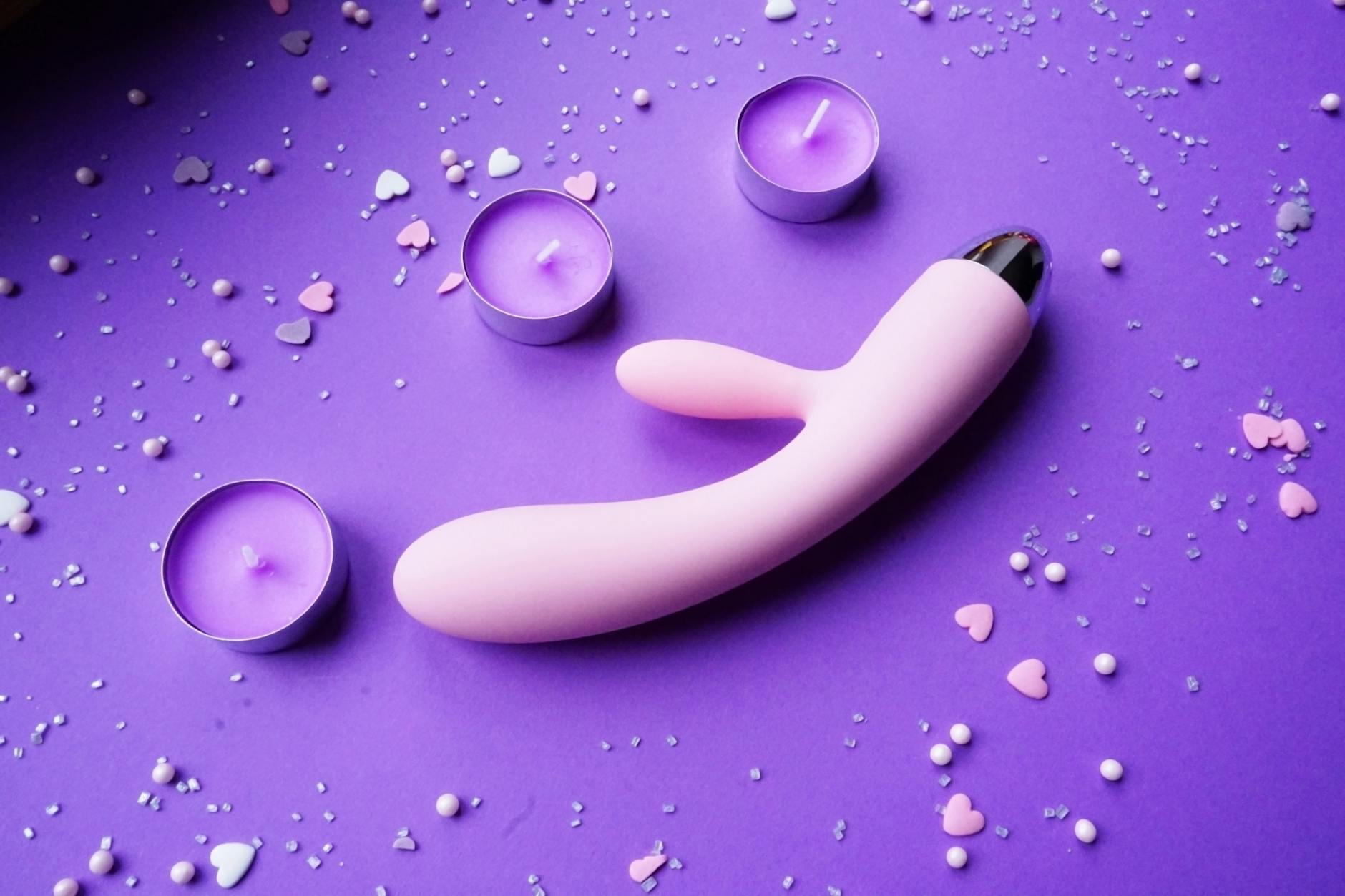
Let's answer this directly
Yes. You can use a lemon clitoral vibrator during pregnancy. The short version: external vibration on the vulva is safe for most pregnancies when a few basic rules are followed. That said, pregnancy changes everything about your body's response to pleasure, and what felt amazing before might feel wildly different now. The goal isn't to recreate your pre-pregnancy routine. It's to figure out what your pregnant body actually wants.
Why people worry about this (and what's actually true)
The worry usually lands in one of three buckets: will it hurt the baby, will it cause early labor, or will it introduce infection. Let's unpack each.
First, the baby is insulated. The amniotic sac is a protective environment. External vibration does not reach your baby. It stimulates nerve endings on your vulva and clitoris, not your uterus or cervix directly. For context, orgasms themselves cause uterine contractions. If your doctor has cleared you for sex (which is the standard for uncomplicated pregnancies), they've essentially cleared you for orgasms. A lemon vibrator is just a way of having one.
Second, the early labor worry. This comes up mostly in the third trimester. The evidence is actually reassuring. Studies on sexual activity during pregnancy show no increased risk of preterm labor for people with low-risk pregnancies. The contractions that happen during orgasm are different from labor contractions. Your body knows the difference. That said, if you have a history of preterm labor, cervical insufficiency, or placenta previa, you need to ask your actual doctor before using any vibrator. Not because vibrators are riskier than PIV sex, but because your specific situation might restrict both.
Third, infection. As long as your lemon vibrator is clean (wash it with warm soapy water before use, let it air dry), there's no increased infection risk. You're not introducing anything your vaginal flora hasn't encountered before.
How pregnancy changes what feels good
Your body is flooded with hormones that affect blood flow, sensitivity, and muscular response. Here's what actually shifts:
Increased sensitivity. Many people find their clitoris is more responsive during pregnancy, especially in the first and second trimester. The increased blood flow to the pelvic floor can make even light touch feel more intense. This is good news for pleasure. A lemon vibrator, which uses suction rather than intense vibration, can feel particularly good because it distributes sensation across a wider area instead of concentrating it on one spot.
Fatigue and touch aversion. By the third trimester, you might not want to be touched at all. This is not a sign that something is wrong. It's a sign that your nervous system is protecting your energy for the work ahead. If this is you, give yourself full permission to skip pleasure entirely. Your body is doing something massive.
Different arousal patterns. Some people find they can't orgasm during pregnancy. Others find they orgasm more easily or more intensely than ever before. None of these are abnormal. Your hormones, your energy levels, and the physical reality of your changing body all affect what's possible.
Physical adjustments that help
If you're interested in using a lemon vibrator during pregnancy, here's what actually changes about the setup.
Your positioning matters more. Lying on your back for extended periods gets uncomfortable and can actually restrict blood flow to the baby. Side-lying feels better for most people. A wedge pillow under your belly or between your thighs helps. Some people find that sitting upright with support (lots of pillows, a pregnancy body pillow) works best because it takes pressure off your lower back.
Lubricant becomes essential earlier in pregnancy than you might expect. Even people who never needed it before often find that their natural lubrication is thinner or less abundant during pregnancy. A water-based lubricant makes a lemon vibrator feel more comfortable and responsive. It's not because something is wrong. It's just biology.
Start with lower intensity. Your heightened sensitivity means you might want to use the lowest setting first. The suction function on a lemon clitoral vibrator is gentler than the buzz of traditional vibrators, which is one reason people often find them more comfortable during pregnancy.
Session length might shift. You might find you can only comfortably engage for 10 or 15 minutes instead of 30. That's fine. Pleasure isn't about duration. It's about what feels good right now.
When to pump the brakes (and talk to your doctor)
Some pregnancy situations do restrict sexual activity, and by extension, vibrator use. If you have placenta previa, cervical insufficiency, or a history of preterm labor, ask your doctor specifically about external vibration. They might say yes with modifications, or they might say not right now. Both are medically sound answers depending on your situation.
Bleeding or spotting is a sign to pause. Not because vibrators cause spotting, but because spotting itself might indicate something that needs evaluation. Wait until you've checked with your provider.
If you feel cramping, pain, or unusual pressure during or after using a vibrator, stop and mention it at your next appointment. Your body might be telling you something specific about what it can handle right now.
The conversation with your partner (if you have one)
Pregnancy often creates weird dynamics around sex and touch. You're exhausted. Your body looks different to you (even if your partner thinks you're beautiful). Your desire might have flatlined or skyrocketed. Your partner might be anxious about hurting you or the baby.
A lemon vibrator can actually solve some of this tension. It gives you an independent way to access pleasure that doesn't require your partner's participation or effort. That's not selfish. That's self-care. And it models something important: your pleasure is your responsibility, not your partner's job to provide.
If you want to involve your partner, a lemon vibrator is also straightforward. It's small, easy to use together, and the sensation is different enough that many couples find it brings novelty into an already-weird time.
What happens after
Your ability to use a lemon vibrator postpartum depends on when you're cleared for sexual activity (usually 4 to 6 weeks for vaginal birth, longer for C-section) and how you're healing. After vaginal birth, your tissues are tender. After C-section, you're managing abdominal surgery. Neither means you can't use a vibrator, but you might need to wait a few weeks and start gently.
Many people find that their pelvic floor is weaker postpartum. Kegel exercises help, but so does paying attention to positioning and not pushing yourself into intensity too fast. A lemon vibrator is gentler than many options, which is why some people find them easier to return to postpartum.
FAQ: Pregnancy and Pleasure
Is it safe to orgasm during pregnancy?
Yes, for uncomplicated pregnancies. Orgasms cause uterine contractions, but these are different from labor contractions. If your doctor cleared you for sex, you're cleared for orgasms. If you have a high-risk pregnancy, ask your doctor specifically about orgasm, not just about penetrative sex.
Can using a vibrator cause miscarriage?
No. There's no evidence that external vibration on the vulva increases miscarriage risk. Miscarriage is caused by chromosomal issues or other factors completely unrelated to sexual activity. If you're worried about miscarriage specifically, the concern isn't about the vibrator.
Will a lemon vibrator hurt the baby?
No. The baby is inside your uterus, protected by amniotic fluid. A vibrator stimulates external nerve endings only. It doesn't reach the baby.
What if I don't want sex or touch during pregnancy?
That's completely normal and completely valid. Pregnancy dysphoria is real. Some people feel disconnected from their body or touched out from symptom management. You don't have to use a vibrator or engage in any sexual activity. Your job right now is to grow a human. Everything else is optional.
Can I use a lemon suction vibrator in the third trimester?
If your doctor cleared you for sexual activity, yes. You might find it less comfortable as you get bigger, mainly because positioning is harder, not because the vibrator itself is unsafe. Listen to what your body tells you.
What if I've never used a lemon vibrator before and I'm pregnant now?
Pregnancy is actually a reasonable time to try one, because your heightened sensitivity might make the suction sensation feel more pronounced. Start with the lowest setting, use lubricant, and give yourself space to explore without expectation. Your pregnant body is learning new things every day.
The bottom line
Your pregnancy doesn't erase your sexuality. It changes it. A lemon clitoral vibrator can be a useful tool during this time if you want one, adapted to your pregnant body's specific needs. What matters is that you listen to what your body is actually asking for right now, check with your doctor if you have any risk factors, and give yourself permission to want what you want without guilt.
If you have specific questions about your situation, your OB or midwife is the right person to ask. They know your medical history and can give you advice tailored to your actual risk profile, not general pregnancy guidelines. And if you're looking for ways to stay connected to pleasure and your body during this wild time, that conversation is worth having.
Ready to explore? Start with our guide on lemon clitoral vibrators for beginners to find the right fit for your body.