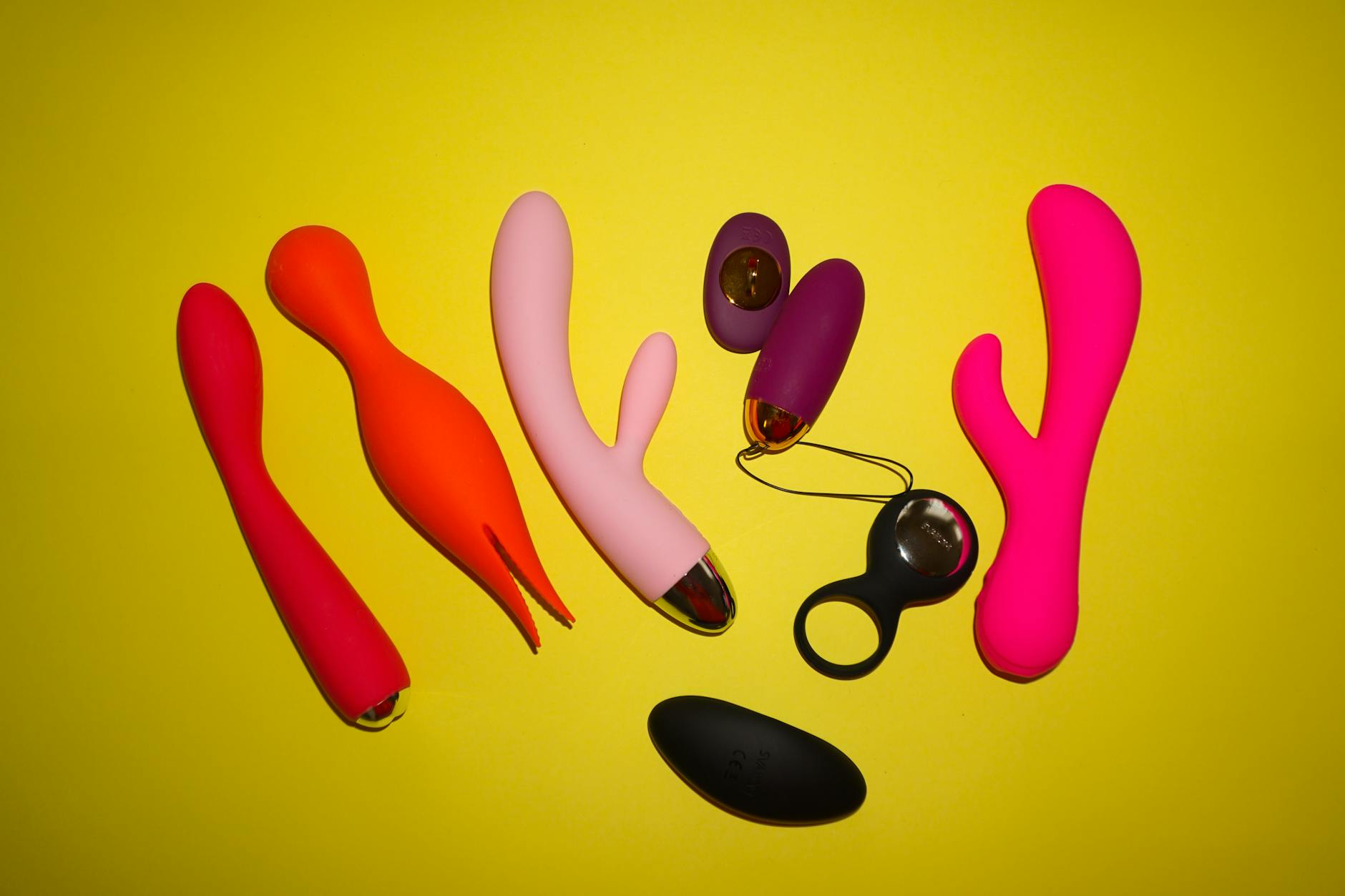
Here's the thing about pleasure after heartbreak
After a painful breakup, your body isn't just grieving. It's confused. Touch that once felt safe now carries ghosts. Pleasure can feel like betrayal. And solo satisfaction feels weird because for years, maybe, you were trained to make someone else's experience the center.
When you pick up a lemon vibrator for the first time after a breakup, something different happens than before. It's not about whether air-suction clitoral vibrators feel good anymore. It's about whether you feel safe enough to let yourself feel good at all.
Why pleasure feels different after emotional betrayal
Pain changes your nervous system's map of the world. If a breakup involved infidelity, emotional cruelty, or years of misalignment, your body learned something important: connection isn't safe. Your nervous system got really good at scanning for threat during intimacy.
That hypervigilance doesn't disappear when you're alone. When you touch yourself, parts of your brain are still running threat detection. You might find yourself holding tension in your pelvic floor even when no one else is in the room. Pleasure can feel risky because it's associated with vulnerability, and vulnerability just got you hurt.
This is not about the Lem or any lemon vibrator not working. It's about your brain needing permission to relax first.
Why clitoral vibrators work differently during grief
Here's what I tell my clients: air-suction vibrators like the Lem don't require the same vulnerability as partnered sex. There's no performance. No reading another person's needs. No worry about being perceived.
The sensation pattern itself helps. Suction stimulation bypasses some of the neural pathways that were coded as unsafe. It's a different message to your nervous system. Not "I'm connecting to someone else." But "I'm sending pleasure to myself, on my terms, no permission needed."
Many people rebuilding after breakups report that lemon vibrators help them separate two things their brain had conflated: intimacy equals danger, and pleasure equals obligation. Using the Lem solo, in your own space, at your own pace, rewires that connection.
The first few times feel different than you expect
You might find that the first solo session with a lemon clitoral vibrator after heartbreak doesn't feel good. It might feel mechanical. Or overwhelming. Or nothing. That's completely normal.
Your brain is checking the environment for safety. Your pelvic floor might clench. Your thoughts might scatter. You might keep checking your phone or thinking about what you should be doing instead. That's not failure. That's your nervous system doing its job.
Give it three to five attempts before you judge whether a clitoral vibrator is right for you. Each time, your body collects data. Each time, it says: "Okay, I was okay last time. I can relax a little more now." That's the actual healing.
Starting with lower intensity and longer warm-up time
After emotional betrayal, rushing into sensation can backfire. Your body needs to trust that pleasure won't become overwhelming or trigger a trauma response.
Here's what I recommend:
Start on pattern 1 or 2 on your lemon vibrator. Not because you're broken, but because low intensity lets your nervous system habituate slowly. You're teaching your body that stimulation can be safe and contained.
Spend 10 to 15 minutes just breathing and settling before you turn anything on. This isn't laziness. It's giving your parasympathetic nervous system a chance to downshift. Your pelvic floor will thank you.
If you find yourself thinking about your ex, judging yourself, or spiraling, pause. That's not weakness. That's information. Your body's saying the pace is too fast. Slow down. Try again tomorrow.
The role of control and consent (with yourself)
One reason lemon vibrators feel so different after a breakup is that you control everything. You choose when to start. When to stop. Which pattern. Which intensity. Whether to keep going or rest.
That agency is healing. For people who were in relationships where their pleasure was ignored or controlled, that shift is profound. You're relearning that your yes matters. Your no matters. Your body belongs to you.
Some of my clients say they use the Lem not to orgasm, but just to practice listening to their own body's signals. That's a completely valid use. You're rebuilding the skill of self-attunement that betrayal can erode.
When numbness shows up (and why it's not a sign something's wrong)
Sometimes after emotional trauma, pleasure doesn't return in a linear way. You might feel pleasure, then numbness, then pleasure again. Your nervous system is recalibrating.
If you notice that your lemon clitoral vibrator isn't producing sensation after a few weeks, this isn't about the toy. It's often about emotional processing that's still happening. Grief has cycles. Pleasure will follow.
There's also a version where you're using the Lem to avoid processing something deeper. If you notice you're reaching for it compulsively to numb emotional pain rather than to feel pleasure, it might be worth pausing and talking to a therapist. Pleasure shouldn't become an escape from grief. It should become a way to reconnect with aliveness.
Rebuilding trust with sensation over time
Honestly, this is the part that matters most. Using a lemon vibrator after a painful breakup is practice in trusting your own body again. Each time you use it and remain safe, your nervous system logs that data.
Weeks in, you'll notice something shifts. Maybe the pleasure feels less tentative. Maybe you can breathe more. Maybe you stop listening for footsteps or checking your phone. That's not about the vibrator. That's about your body learning that you can be trusted with your own pleasure.
Some people find that reconnecting with sensation after a breakup is the first step toward feeling ready for partnership again. Others use solo pleasure as their practice ground for staying present and grounded. Both are completely valid paths.
When to bring a partner back in (and how that changes)
If you're eventually interested in partnered sex again, there's no timeline. And using a lemon vibrator solo doesn't obligate you to anything.
That said, some couples find that air-suction clitoral vibrators become part of reconnection. The Lem can be less intimidating than fingers or a penis if trust is rebuilding. It's external. It's predictable. It doesn't require you to read another person's subtext.
If you do bring a partner into the picture, using the vibrator together is different territory than using it alone. Your nervous system is checking: "Is this person respecting my pace? My no? My pleasure as separate from theirs?" Those are the real questions, and a lemon clitoral vibrator can't answer them. Only a trustworthy partner can.
The takeaway: Your pleasure is not your ex's fault
Here's what I want to land on. After a breakup, especially a painful one, it's easy to internalize that your pleasure is somehow collateral damage. That you broke it and now it won't come back.
You didn't break anything. Your nervous system is protecting you. That's the design working exactly right.
When you use a lemon vibrator after heartbreak, you're not trying to force feeling. You're gently asking your body if it's ready to trust sensation again. Most of the time, with patience and self-compassion, it is. The Lem becomes a tool for that conversation. A way to practice intimacy with yourself without the stakes that made partnership feel dangerous.
Your pleasure belongs to you. Always did. You're just learning to claim it again.