Let's talk about postpartum sex pain, because nobody does
You've heard about the physical recovery after birth. What nobody mentions is that "recovery" and "ready for sex" are completely different timelines. Pain during sex after childbirth is not a sign you're broken. It's not weakness. It's tissue remodeling combined with psychological shifts that deserve real strategies, not just "wait and see."
Here's what I see in my practice: partners are told to wait 6 weeks, they try it, it hurts, they panic, and then one of two things happens. Either they avoid sex entirely for months (which fractures intimacy further), or they push through the pain (which retraumatizes tissue and makes the problem stick around longer). Neither helps.
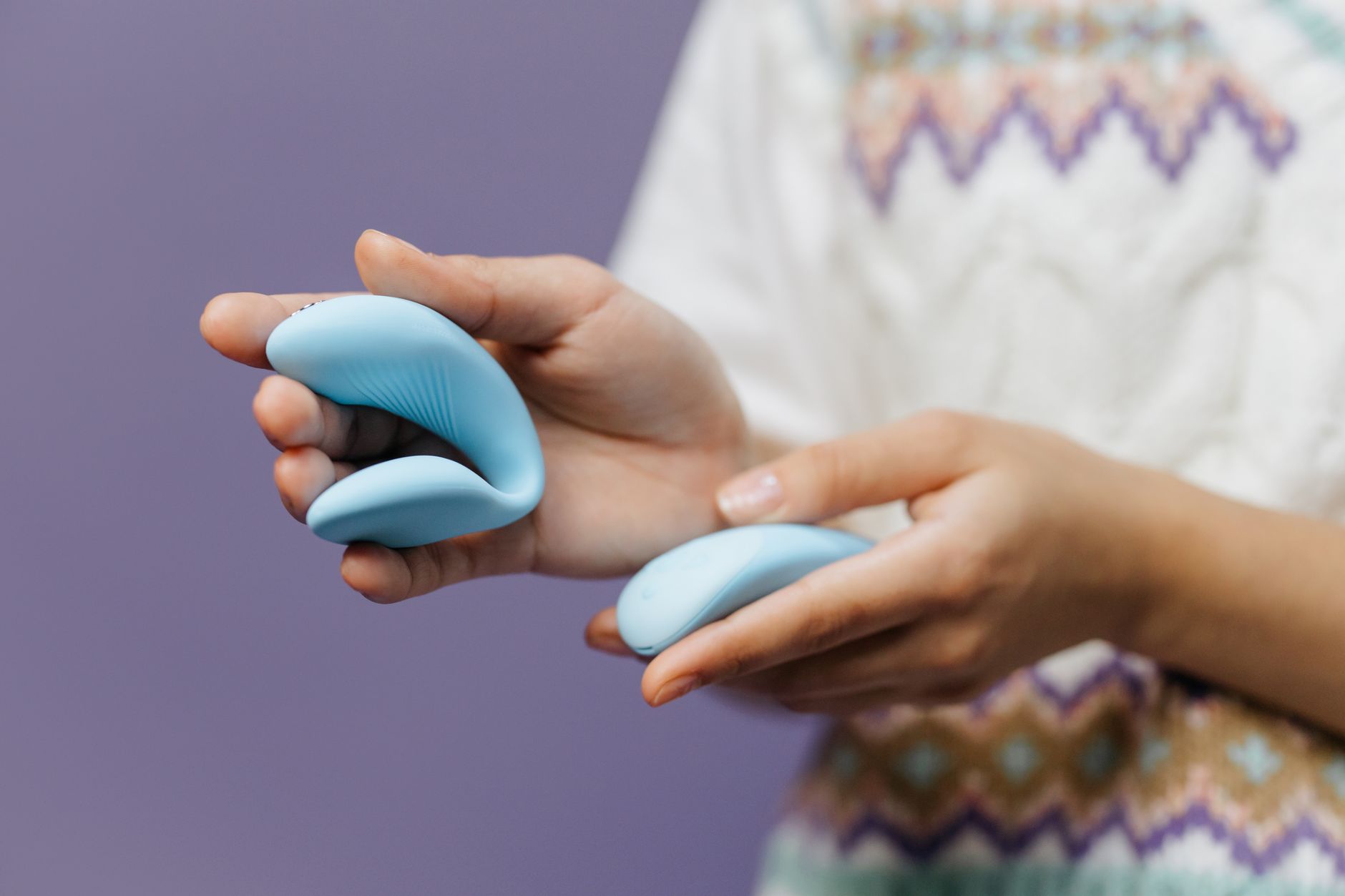
Lemon clitoral vibrators, especially air-suction models like the Lem, sit in a different category entirely. They're gentle enough for tissue that's still rebuilding. They don't require penetration. And they rewire the nervous system's association between pleasure and your body without forcing anything.
What actually happens to your body after childbirth
Whether you delivered vaginally or by cesarean, sex feels different afterward. Here's why.
Vaginal delivery stretches perineal tissue and can create micro-tears, even with optimal circumstances. These heal, but healing takes time. The tissue is thinner and more fragile during that process. Scar tissue, if it formed, can trigger pain or numbness. The pelvic floor tightens defensively after injury, which paradoxically makes penetration more uncomfortable. Cesarean delivery skips vaginal trauma but introduces its own challenge: abdominal scar tissue and pelvic floor tension from the surgical event.
Both routes also involve hormonal collapse. Estrogen and testosterone tank immediately postpartum. Oxytocin, which normally facilitates arousal and orgasm, gets redirected toward bonding with the baby. Your nervous system is in survival mode. Sleep deprivation alone kills desire, but add in the neurochemical shift and you've got a situation where your body genuinely isn't interested in sex, even if your mind is.
Then there's the psychological layer. You've just survived something physically intense. Your body is marked by it. You might feel disconnected from your body, or protective of it, or both. That's not pathology. That's a normal response to trauma.
Why lemon vibrators feel different (and better) in this window
Air-suction lemon clitoral vibrators work through gentle suction rather than intense vibration. This matters enormously during postpartum recovery for three reasons.
First, they don't require any internal contact. You're working purely with external sensation, which means no pressure on healing internal tissue, no risk of triggering scar tissue sensitivity. The clitoris itself is largely external and far more resilient than vaginal tissue. It's also wired for pleasure specifically. During recovery, starting there makes neurological sense.
Second, suction feels psychologically safer. Vibration can feel aggressive when your nervous system is already defensive about your body. Suction feels more like massage, more contained, more like something you're in control of. That sense of control is not trivial. After pregnancy and birth, which involved a lot of things happening to your body without your say, having direct control over sensation is psychologically restorative.
Third, the ramp-up is gradual. The Lem's suction patterns start low and build. You can begin at pattern one, which feels like gentle pressure, and work up only when you want to. There's no expectation to reach maximum intensity. Many people find their most satisfying response happens at lower settings anyway.
The practical timeline for rebuilding with lemon vibrators
I recommend holding off on any solo exploration until about 8 to 10 weeks postpartum, even though the official clearance is often 6 weeks. Tissue is still reorganizing. Give yourself that extra cushion.
Once you start, the first session is not about orgasm. It's about sensation mapping. You're learning what still feels good and what doesn't. Spend 5 to 10 minutes on the lowest suction setting, just noticing. No goal except awareness.
By week two or three of exploration, most people find that pain has shifted or disappeared entirely. Your nervous system has received the message that pleasure is safe. That's the moment you can start experimenting with slightly higher intensity or longer duration.
If you're doing this with a partner, involve them in the process, but not by having them operate the toy. Have them present, engaged, but let you stay in control of sensation. This rebuilds trust between you and your body while keeping your partner close.
What to avoid (and what actually helps)
Don't rush back to penetrative sex just because the calendar says you can. Don't use pain as a baseline and hope it goes away through repetition. Don't add the lemon vibrator to penetrative sex until you've successfully rebuilt solo sensation first. And please don't blame yourself if it takes longer than you expected.
What actually helps: patience with the timeline. Water-based lubricant, even though you might not have needed it before. Talking to your partner about the shift so you're not negotiating pain silently. Checking in with your OB/GYN if pain persists past 4 months postpartum, because sometimes pelvic floor physical therapy or topical treatment speeds recovery significantly.
Most importantly, treat this as a separate chapter in your intimate life, not a return to your old one. You're not getting back to normal. You're building something new.
The nervous system piece nobody mentions
Postpartum, your nervous system is recalibrating constantly. You're hypervigilant about the baby. You're touched out. You're sleep-deprived. This state actively suppresses your parasympathetic nervous system, which is the part that allows pleasure, relaxation, and orgasm.
Using a lemon clitoral vibrator isn't just about local sensation. It's about signaling safety to your entire nervous system. Gentle, predictable pleasure tells your brain that your body is still a source of good feeling, not just function and pain. That signal ripples outward. Over time, it becomes easier to transition into pleasure with a partner. Your baseline shifts.
This is why the timeline matters. If you rush it, you're reinforcing the nervous system's defensive crouch. If you give it space and use tools designed for gentleness, you're retraining it.
Common postpartum questions about lemon vibrators
Will using a vibrator delay my return to partnered sex? No. Actually, the reverse. Solo exploration with lemon vibrators reconnects you with pleasure in a low-pressure context, which makes it easier to re-enter partnered sex when you're ready. You're essentially practicing the pathway.
Is it normal to feel numb down there? Completely normal, especially after vaginal delivery. Numbness usually fades within 6 to 12 months as nerve endings regenerate. Lemon clitoral vibrators can speed that process by stimulating those nerves safely.
Can I use a vibrator while breastfeeding? Yes. There's no evidence that vibrator use affects milk supply or composition. The only caveat is physical: if you're exhausted, rest first. Pleasure requires some baseline energy.
What if I don't want penetration even after I'm healed? That's also normal postpartum. Many people's desire map shifts after childbirth. Some come back to interest in penetration within months. Others develop new preferences. This is worth exploring with your partner and, if you need help, with a therapist.
When to reach out for help
If pain during sex persists beyond 4 months postpartum, or if it's getting worse instead of better, see a pelvic floor physical therapist. They can identify whether it's muscular tension, scar tissue restriction, or something else entirely. Treatment is highly effective and fast.
If you're struggling with disconnection from your body or intrusive thoughts about the birth, a therapist who specializes in postpartum mental health can help tremendously. Pleasure rebuilding is easier when you're processing the emotional aftermath.
If your partner isn't understanding the shift or pushing for sex before you're ready, couples work early on prevents a much bigger problem later. I see couples waiting a year and then trying to rebuild intimacy after resentment has set in. Don't let that be you.
The honest ending
Postpartum sex pain is temporary. Your body is not broken. Lemon clitoral vibrators aren't magic, but they're specifically designed for this moment: gentle rebuilding when your nervous system needs reassurance and your tissue needs space. Combined with patience and communication with your partner, they're one of the most effective ways to reclaim pleasure after birth.
You deserve to feel good in your body again. That's not selfish. That's essential.
People also ask
When can I safely use a lemon vibrator after giving birth?
Most medical professionals suggest waiting until around 6 weeks postpartum, when initial healing has progressed. However, I recommend giving yourself an extra 2 to 4 weeks before starting if you delivered vaginally, especially if you had tearing or an episiotomy. This gives tissue more time to reorganize. Cesarean delivery typically heals faster for pelvic tissue, but abdominal incisions still need time. Start with the lowest suction setting and listen to your body. Pain is a signal to wait longer, not push harder.
Will a lemon clitoral vibrator hurt my stitches or scar tissue?
No, because the Lem and similar air-suction vibrators work entirely on the external clitoris and vulva. They don't penetrate, so they don't put pressure on internal healing tissue, stitches, or scar tissue. This is precisely why they're so useful during recovery. You're stimulating sensation safely, without risking re-injury. If you're concerned about specific scar tissue sensitivity, start at the very lowest setting and give yourself permission to stop immediately if anything feels wrong.
Can using lemon vibrators help rebuild sensation if I feel numb after delivery?
Absolutely. Postpartum numbness is common and usually temporary, but it can feel alarming. The clitoris has thousands of nerve endings, and regular gentle stimulation helps those nerves "wake up" again. Using a lemon vibrator on low settings a few times a week can speed nerve regeneration and help sensation return more quickly. Most people notice shifts within 4 to 8 weeks of consistent, gentle exploration.
Should I use a lemon vibrator alone first, or with my partner present?
Start alone. This gives you complete control and removes any performance pressure. You're learning what your body needs right now, not what you think your partner wants. Once you've had a few solo sessions and understand your own sensations again, involving your partner becomes much easier because you already know what works. This also reduces anxiety for your partner, who might be worried about hurting you or doing something wrong.
Is it normal to not want sex for months after having a baby?
Completely normal. Postpartum desire loss is real and multifactorial: hormone shifts, sleep deprivation, touching-out from constant physical contact with a baby, and sometimes legitimate trauma from the birth itself. This isn't failure or rejection of your partner. It's your nervous system protecting itself. Exploring solo sensation with lemon vibrators can gently reignite your own desire without pressure, which often makes it easier to re-engage with partnered intimacy when you're ready.
Can I use a lemon vibrator if I'm breastfeeding and haven't gotten my period back yet?
Yes. Vibrator use doesn't affect lactation or hormones. The only consideration is practical: if you're exhausted, rest first. Pleasure requires some parasympathetic activation, which is hard to access when you're running on fumes. Make solo exploration something you do when you have 15 minutes and aren't about to be needed by the baby.
References and sources
American College of Obstetricians and Gynecologists (ACOG). (2022). "The fourth trimester: Caring for yourself after pregnancy." Patient education resources.
Bjorklund, K., et al. (2000). "Sexuality after hysterectomy and oophorectomy: A prospective study of vaginal changes." American Journal of Obstetrics and Gynecology, 182(5), 1193-1198.
De Souza, A., et al. (2015). "Sexual dysfunction in women with pelvic floor dysfunction: A cross-sectional study." Sexual Medicine, 3(3), 220-227.
De Oliveira, C., et al. (2019). "Postpartum pelvic floor dysfunction: Clinical updates." International Urogynecology Journal, 30(3), 347-356.
Goldstein, I., et al. (2006). "Women's sexual function and dysfunction: Study, diagnosis and treatment." Journal of Sexual Medicine, 3(3), 514-540.
Kendall-Tackett, K. (2010). "The psychoneuroimmunology of chronic pain: Exploring connections and therapeutic implications." International Journal of Behavioral Medicine, 17(3), 192-198.
Rivera, C., et al. (2018). "Postpartum sexual dysfunction: A review of recent literature and clinical implications." Sexual Medicine Reviews, 6(4), 547-557.