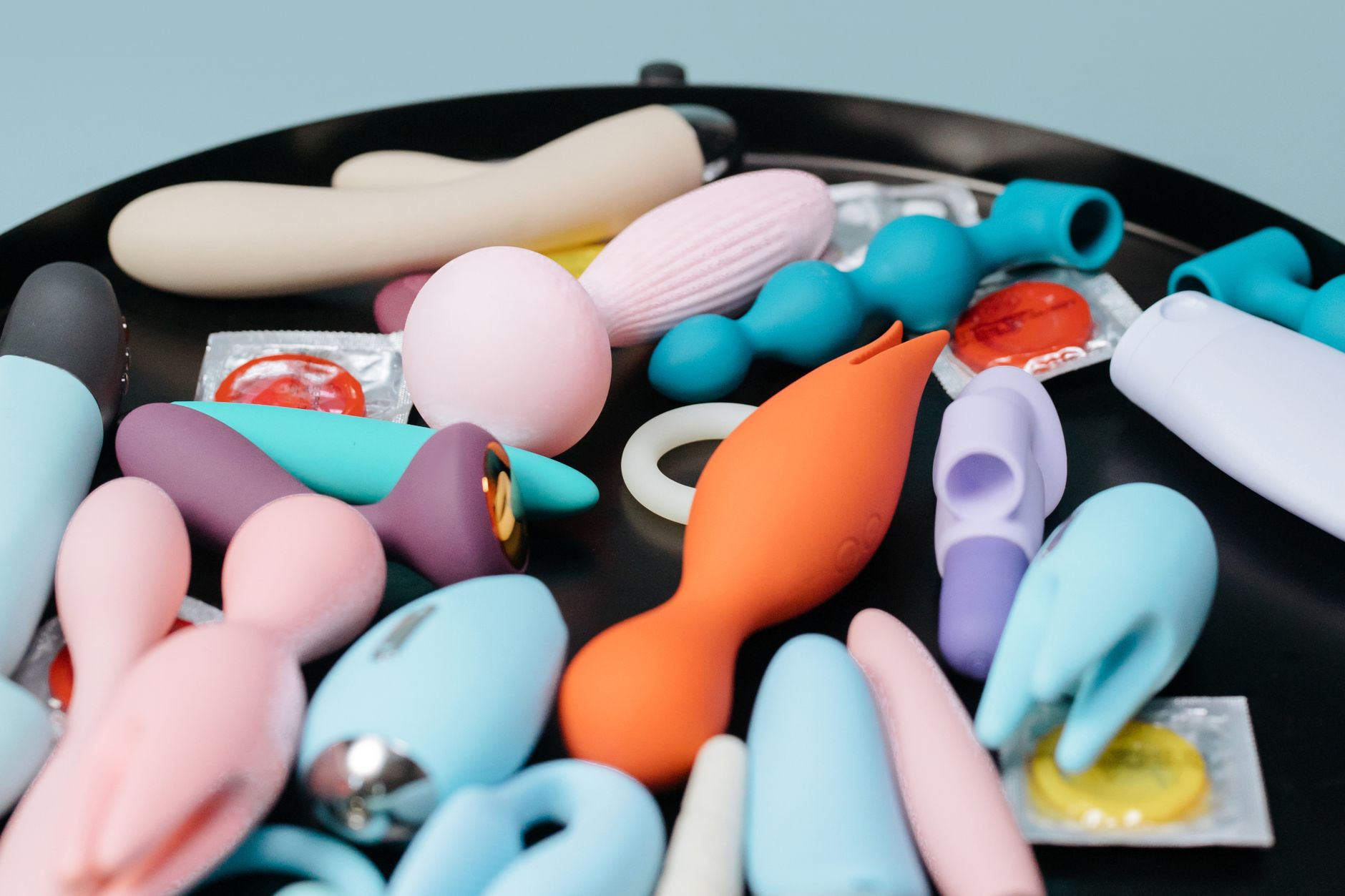
The technology is completely different, and that matters
Let's start with the basic physics. A traditional vibrator buzzes. It moves back and forth at high speed, usually 2,000 to 10,000 times per second, creating sustained vibration that travels directly through the toy into your tissue. A lemon vibrator, by contrast, uses pneumatic suction. It creates gentle waves of pressure that pulse around your clitoris without direct contact. The sensation isn't vibration at all. It's more like a rhythmic massage.
This difference changes everything about which toy will work best for you. It's not a "better" or "worse" question. It's a fit question.
How traditional vibrators feel and who they suit best
Traditional buzz vibrators are direct. You feel the vibration immediately, and the sensation is straightforward. If you've had an orgasm with a vibrator before, it was almost certainly a traditional one. They're the industry standard for a reason.
They work exceptionally well for people with lower sensory thresholds. You can control intensity with a dial or app, and the sensation scales linearly. Buzz vibrators also tend to work faster. Many people can reach orgasm in 5 to 10 minutes because the stimulation is intense and consistent from the start.
They're also better if you're dealing with numbing or reduced sensitivity from certain medications, from aging, or from years of using the same toy. The directness of the vibration can cut through that layer of desensitization.
But here's the tradeoff. Traditional vibrators can feel overwhelming for people with high sensitivity. The constant buzz can feel fatiguing, or even numbing in its own way. And they don't create the kind of full-tissue sensation that some bodies crave. It's a pinpoint experience.
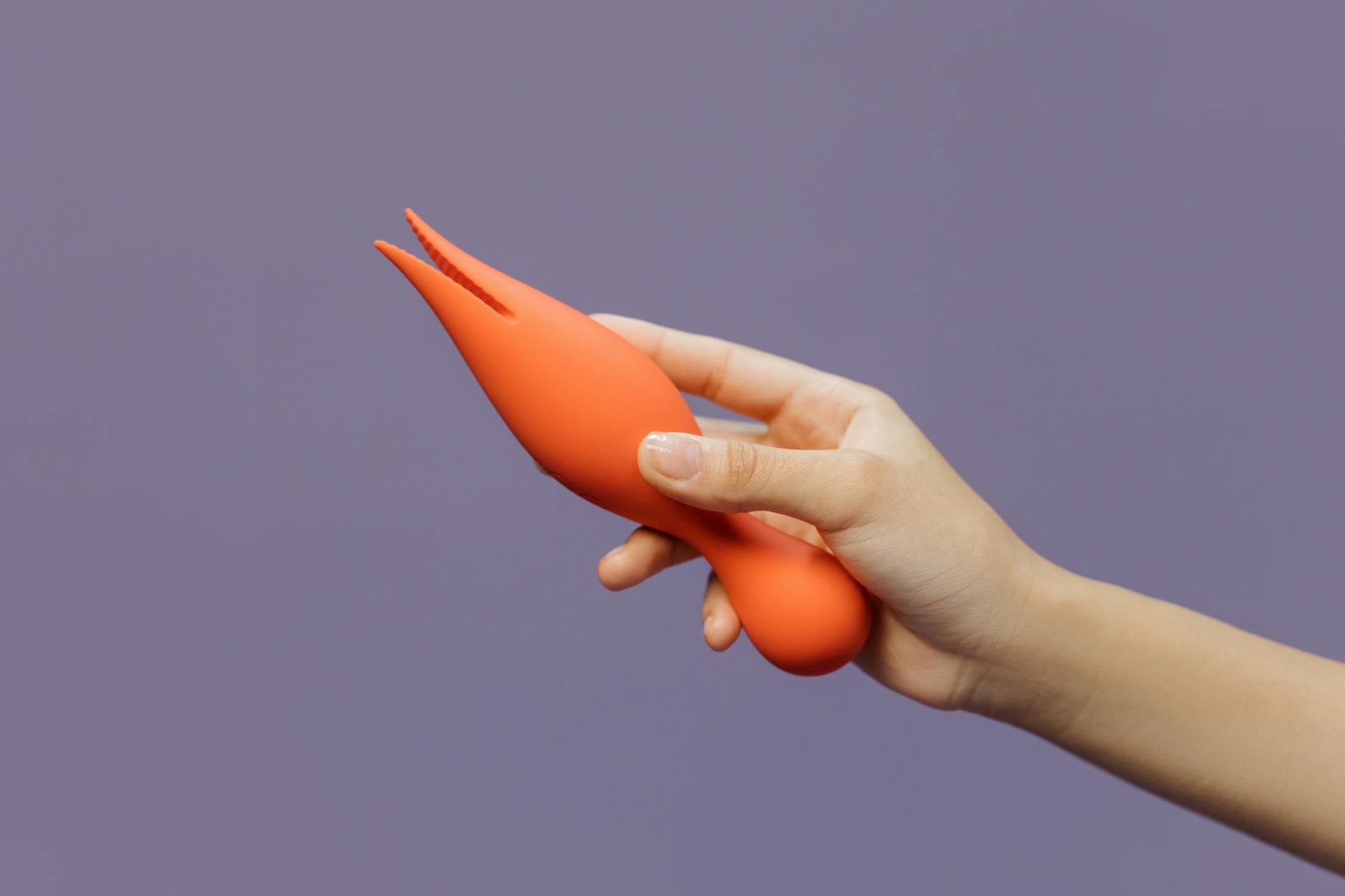
Photo by cottonbro studio on Pexels
How lemon vibrators work and why they feel completely different
Lemon clitoral vibrators, also called air-suction toys, work through a gentler mechanism. They create rhythmic waves of suction that stimulate the entire clitoral complex, not just the surface. Because the sensation is less direct, it tends to feel less intense at first. Many people are surprised that it works at all.
But that's the point. Lemon vibrators suit people with high sensitivity beautifully. If a traditional vibrator has ever felt too intense, made you sore, or overstimulated your nerves, a lemon vibrator might be exactly what your body has been asking for. They're also better for people who want longer sessions without fatigue. Because the stimulation is gentler, you can keep going without that numb, tingly exhaustion that comes from sustained buzzing.
Another huge advantage: lemon vibrators often create different types of orgasms. People frequently report that orgasms feel deeper, more full-bodied. This isn't placebo. The suction mechanism stimulates nerve pathways that buzz vibrators don't reach as effectively.
The tradeoff is time and learning curve. Lemon vibrators usually take longer to work. Your body needs to figure out what you're feeling and respond. Some people need 20 minutes. And if you have very low sensitivity, a lemon vibrator might not provide enough stimulus no matter how long you wait.
Solo play versus partnered moments
If you're exploring alone, a traditional vibrator is easier to start with. There's less guesswork. You know what you're getting.
But if you're with a partner, lemon vibrators often win. Because the sensation is less intense, your partner can stay engaged longer without overstimulating you. The pacing feels less clinical. And because orgasms tend to last longer with air-suction toys, there's more time to sync with another person.
Sensitivity and tissue thickness matter more than you think
Your clitoral tissue changes throughout your life. After menopause, tissue becomes thinner and more sensitive. Pregnancy and childbirth shift everything. So does stress, certain medications, and how much time has passed since your last orgasm.
If you're dealing with thinning tissue or high sensitivity, a lemon vibrator is often the smarter starting point. If you're in a phase of low sensitivity, a traditional vibrator gives you more reliable stimulation.
The safest approach: test your current sensitivity by starting on the lowest setting of whatever toy you choose. For a traditional vibrator, that usually means the lowest vibration mode. For a lemon vibrator, start on pattern 1 and stay there for at least 5 minutes before moving up. Your body will tell you if it needs more.
Price and longevity
Traditional vibrators range from $20 to $150. Lemon clitoral vibrators typically cost a bit more, usually between $60 and $100, because the air-suction technology is more complex to manufacture.
In terms of longevity, both last roughly the same amount of time if you care for them properly. A traditional vibrator might need battery or charging replacement after a few years. A lemon vibrator's suction mechanism can degrade if you don't clean and dry it thoroughly, so maintenance is slightly more important.
Battery life and charging
Traditional vibrators often run for 2 to 4 hours on a single charge, depending on the motor and intensity setting. Lemon vibrators typically get 1.5 to 2 hours because the suction mechanism uses more power than a motor. If you use your toy daily, this matters. If you use it a few times a week, it's barely a consideration.
Lubrication changes the game
This is where things get really interesting. Traditional vibrators don't require lubricant. Water-based lube can help, but it's not necessary.
Lemon vibrators work better with some lubrication, particularly on the top where the suction cup makes contact. Lube helps create a better seal and reduces friction. It also makes the experience feel smoother and less "grabby." If you're using a lemon vibrator and it feels uncomfortable or pinchy, adding a small amount of water-based lubricant often fixes it completely.
How to actually decide
Start by asking yourself three questions.
First: How long do you usually spend on pleasure? If you like quick sessions, a traditional vibrator will serve you faster. If you prefer longer exploration, a lemon vibrator's gentler approach might feel better.
Second: Do you have any history of overstimulation or numbness? If yes, a lemon vibrator is probably your answer. If no, either works, but you might want to try the technology that feels novel to you.
Third: Are you exploring solo or with a partner? Solo exploration benefits from simplicity, which favors traditional vibrators. Partnered moments often benefit from the pacing of a lemon vibrator.
Beyond these questions, your best move is to try both if possible. Many people end up keeping both because they serve different moods. Sometimes you want the straightforward intensity of a traditional vibrator. Sometimes you want the full-body depth of air-suction. Your pleasure deserves both options.
If you're picking just one to start with, and you have high sensitivity or have felt overwhelmed by vibrators before, a lemon vibrator is the smarter first choice. If you've never used a vibrator at all, or you know you respond well to direct stimulation, a traditional vibrator gives you faster results and less learning curve.
The maintenance conversation
Both types require basic care. Always clean with mild soap and warm water after use. Let them dry completely before storing. Avoid extreme heat and direct sunlight.
Lemon vibrators need slightly more attention to the suction cup area. Make sure no water sits in that chamber, as it can create mold. A dry cloth inside the cup after washing is your friend.
Both types should be stored in a cool, dry place. A small bag or box in a nightstand drawer is ideal. Avoid plastic bags, which trap moisture.
What happens when you choose wrong
Honestly, it's not a disaster. If you pick a traditional vibrator and you're highly sensitive, you'll probably use it once and leave it in a drawer. That's a waste of money, but not of your time.
If you pick a lemon vibrator and you need more direct stimulation, you'll get frustrated waiting for it to work. You might not give it enough time to work properly.
The good news is that once you know which technology suits you, you can explore variations within that category. If traditional vibrators work for you, you can try different shapes, sizes, and intensities. If lemon vibrators suit you, you can experiment with different patterns and seal strengths.
The pleasure is in the fit
Neither toy is objectively better. The best vibrator is the one that makes sense for your body, your sensitivity, your timeline, and your preferences. Spending five minutes thinking about these questions now saves you from buying something that sits unused.
Your pleasure matters. So does picking the right tool for the job.
People also ask
Can you use a traditional vibrator and a lemon vibrator together?
Yes, and some people love this combination. The approach is to use them on different areas simultaneously, or alternate between them. The key is making sure both are clean and that you're not overstimulating one area. Many couples enjoy the contrast: one partner using a lemon vibrator while the other uses something different. Start slowly and pay attention to what feels good rather than piling on sensation.
Do lemon vibrators work better with partners than traditional vibrators?
Often, yes, but not always. Lemon vibrators tend to create longer, deeper sensations that sync well with partnered rhythm. But if your partner enjoys quick, intense sessions, a traditional vibrator might match the energy better. The real answer is to ask your partner what you both enjoy and experiment from there.
How do you know if you have high sensitivity down there?
You probably already know. If you've ever had a vibrator feel too strong, too ticklish, or overstimulating, that's high sensitivity. If you get sore from friction easily, or if light touch sometimes feels unpleasant, that's another sign. You don't need a clinical test. Your own experience is the data.
Is a lemon vibrator worth the extra money if I already have a traditional vibrator?
If your current vibrator works beautifully for you and you use it regularly, probably not. But if you ever feel like something is missing, or if the traditional vibrator has started to feel boring or numbing, a lemon vibrator might reopen doors. Some people find that switching between the two actually makes both feel more effective. Variety changes how your body responds.
Can sensitive skin use either type safely?
Yes, both are safe on sensitive skin when used properly. The material matters more than the technology. Silicone, glass, and stainless steel are all safe. Avoid anything with phthalates or questionable plastics. Always use lubrication if you have very sensitive skin, even with lemon vibrators. And wash thoroughly before and after. If you get any irritation, stop use and let the area calm down before trying again.
What if nothing feels good, no matter which type I use?
This is worth taking seriously. Sometimes pleasure doesn't show up because of stress, medications, relationship issues, or hormonal changes. Before you assume a toy is wrong, check in with what else is happening in your life and body. If you're in a good place mentally and physically but still feeling nothing, it's worth talking to a healthcare provider. Sometimes desensitization has a treatable cause. And sometimes you just need more time and patience than expected.
If you want personalized guidance on finding the right toy for your body and pleasure style, reach out to us at Hello Nancy. We're here to help.