Here's the hard truth about numbness and pleasure
Nerve damage steals sensation. Not permanently, and not always completely, but it absolutely changes what your body can feel in the moment. Whether it's from surgery, diabetes, medication side effects, or spinal injury, the result is the same. You're touching something that should feel good, and instead you feel almost nothing.
The frustration isn't just physical. It's the grief of losing access to something that was part of your identity. And then comes the guilt: maybe there's something wrong with you, maybe you're broken now, maybe pleasure isn't coming back.
None of that is true. But you do need a different strategy. A lemon clitoral vibrator isn't a fix on its own, but it's often the doorway back.
Why numbness happens (and why it matters for choosing the right toy)
Nerves carry sensation through two main pathways. Touch sensations (light, pressure, temperature) use one set of nerve fibers. Deep vibration and movement use another. Damage or neuropathy often affects one pathway more than the other.
This is crucial because it changes which kind of vibrator will actually work for you.
If your numbness comes from diabetes or medication, it often starts in the outer tissues and works inward. That means you might feel deep vibration when you can't feel light touch. If it's from spinal injury or surgery, you might have patchy sensation. Some areas respond, others don't.
Before you pick any toy, spend a minute with a few non-sexual tests. Use a soft brush on your vulva, then your fingertip, then press firmly. Where do you get the most sensation? That's your baseline. The lemon clitoral vibrator you choose should target that exact zone.
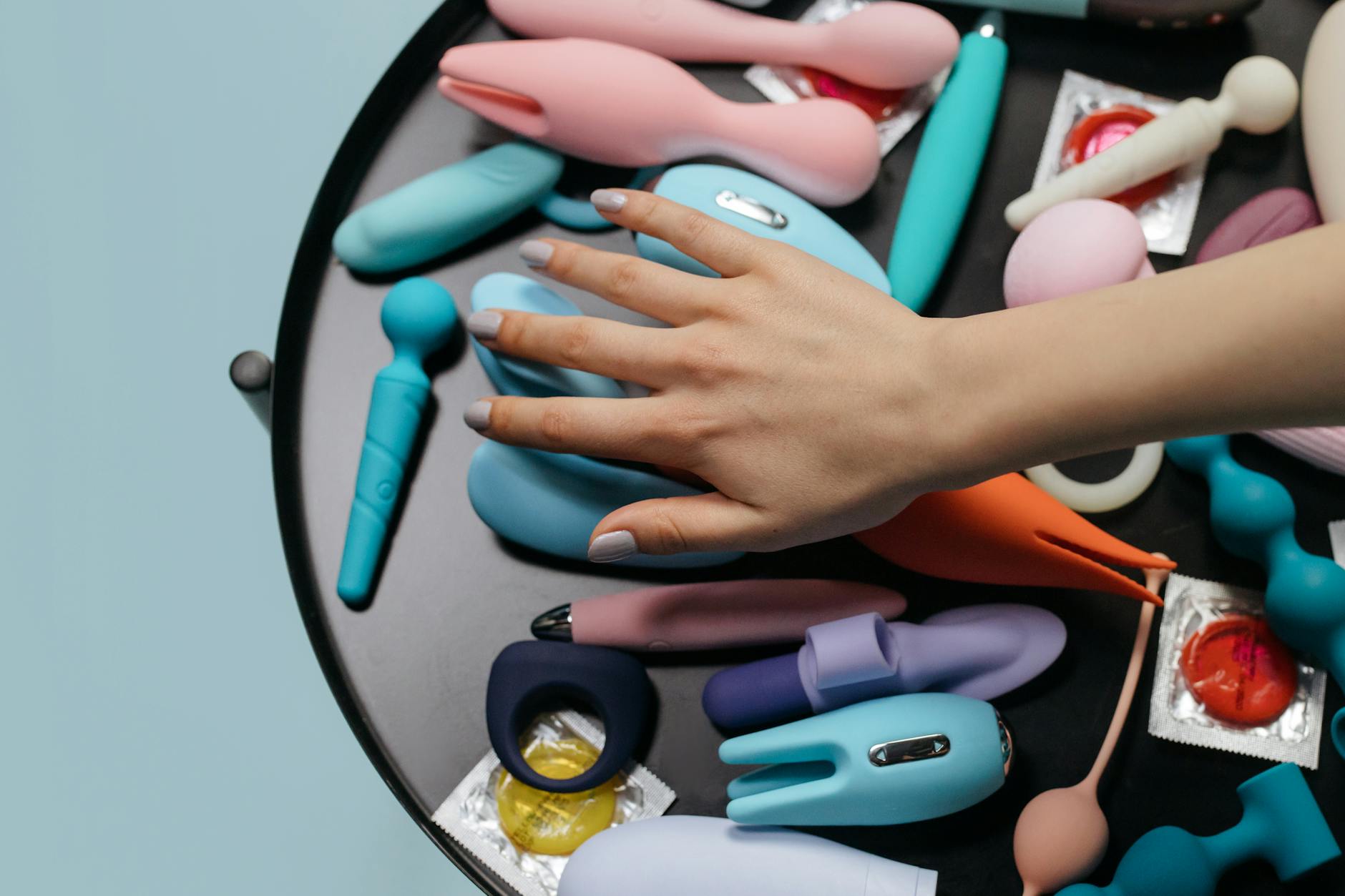
Photo by cottonbro studio on Pexels
The right vibrator shape for nerve damage
Lemon vibrators like the Lem work differently than traditional vibrators. The suction and air-pulse technology stimulates tissue without the same direct mechanical buzz. That matters.
With numbness, you need stimulation that reaches deeper into the nerve bundles. A standard vibrating toy sits on the surface. It sends vibration outward. If your surface nerves are damaged, the signal gets lost.
A lemon sucker or clitoral suction vibrator creates gentle negative pressure that pulls tissue into the chamber. That creates two things at once: deeper stimulation plus the sensation of movement. Many people with neuropathy respond to this better than they do to a traditional vibrator, because the mechanism is fundamentally different.
Start with a design that covers a small, concentrated area. The Lem is ideal because it's precise and the suction is adjustable. You don't want broad, diffuse stimulation when you're working with nerve damage. You want focused, specific input to the areas where you still have sensation.
Starting points: settings and intensity
Here's the mistake most people make: they assume they need maximum power to feel anything at all.
Actually, the opposite is true. High-intensity vibration can actually deadens nerve endings further, especially if you're already dealing with neuropathy. You end up using more power to chase the same small sensation, and you end up feeling even less later.
Start at the lowest setting on your lemon clitoral vibrator. Give it two to three minutes before you increase anything. Numbness means your nervous system is slower to signal. That's not abnormal. It just needs time.
If you're using a Lem or similar lemon sucker, begin with the gentlest suction level. Most people with nerve damage actually prefer patterns 2 through 4 over the full-power modes. The rhythm and pulse feel more like stimulation than the flat, high intensity.
Build your session in layers. Five minutes at level 2. Then level 3 if it feels right. You should never feel pain, burning, or numbness afterward. If you do, you've gone too hard.
Where numbness is different by cause
Diabetes and medication-related neuropathy usually affects the clitoris and outer labia first. Start your Lem there, focused directly on the clitoral area, and use the very lowest settings.
Post-surgical numbness depends entirely on which nerves were affected. Hysterectomy, bladder procedures, and some gynecological surgeries can damage the pudendal or pelvic nerves. You might have an area that's completely numb and other areas with normal or heightened sensation. This is where that initial mapping exercise matters. Use your lemon vibrator on the areas that still have feeling, not the numb zones.
Spinal nerve damage is more variable. You might have sensation on one side or in a band across the vulva. Again, target where you have sensation, not where you don't.
If you're dealing with medication side effects (antidepressants, blood pressure meds, anticonvulsants), the numbness often improves slowly over weeks or months. A lemon clitoral vibrator doesn't force improvement, but it keeps you in contact with sensation while your body adjusts.
Lubrication and tissue care
Numbness often comes alongside other changes. You might also have reduced lubrication, thinner tissue, or pelvic floor tension from the same underlying condition.
Water-based lubricant isn't optional here. It reduces the friction that damages already-sensitive tissue. Use it generously, and reapply during your session.
Tissue protection is serious. If you're numb, you can't feel pain as easily, which means you could accidentally irritate or injure tissue without knowing it. Always use a barrier or condom over your lemon vibrator if you're sharing it, and never exceed 15 minutes per session while you're rebuilding sensitivity. Yes, really. Rest days matter.

Photo by Madison Inouye on Pexels
The role of mindset and expectation
Here's what almost nobody tells you: numbness often has a phantom partner called hypervigilance. Your brain knows sensation should be there, so it's constantly hunting for it. This means your nervous system is actually working harder, which can feel exhausting.
When you sit down with a lemon vibrator, you're not just trying to feel pleasure. You're retraining your nervous system. That takes patience and consistency, not force.
Use your toy in a low-pressure context. No goal of orgasm. No timeline. Just 10 to 15 minutes exploring what you can feel, where you feel it strongest, which settings create the most noticeable sensation. This isn't lazy. It's the actual pathway to rebuilding.
Many people regain significant sensation within 4 to 8 weeks of consistent, gentle exploration. Not everyone. Not all conditions improve. But plenty do, especially if the numbness came from medication or if it's early post-surgery.
When to see a specialist
If your numbness is from a specific diagnosis (diabetes, spinal injury, post-surgical), mention it to your doctor. Not because there's anything wrong with using a lemon vibrator, but because some underlying causes have treatments that can actually reverse or slow the neuropathy.
A pelvic floor physical therapist is genuinely worth your time if numbness came from surgery or if it's paired with pain. They can assess whether tight pelvic floor muscles are restricting blood flow and contributing to lost sensation.
Numbness that appears suddenly, spreads rapidly, or gets worse over weeks deserves medical attention. That's not a reason to avoid pleasure. It's a reason to understand what's happening so you can address it properly.
FAQ
Can a lemon clitoral vibrator actually restore sensation after nerve damage?
Not directly. But consistent, gentle stimulation with a lemon vibrator can help your nervous system relearn sensation, especially in the early stages of neuropathy or post-surgical recovery. The key word is consistent. One session won't do it. Weeks of regular, low-pressure exploration often helps your brain and nerves reconnect. Some conditions improve fully. Others improve partially. Some don't improve, and that's real too.
Which lemon vibrator is best for numbness?
Start with a suction-based lemon clitoral vibrator like the Lem rather than a traditional vibrator. The air-pulse mechanism reaches deeper tissue in a way that straight vibration often doesn't. Choose something with adjustable settings so you can start at the absolute minimum. Avoid broad, multi-contact designs. You want focused, specific stimulation.
How often should I use a lemon vibrator if I have neuropathy?
Three to four times per week, for no more than 15 minutes per session, at the gentlest settings. More isn't better. Overuse can actually flatten sensation further. Your nervous system needs rest between sessions to process and respond.
Is it possible to make numbness worse by using a vibrator?
Yes, if you use high power, long sessions, or aggressive techniques. That's why starting at minimum intensity matters. Pain or increased numbness afterward is a sign you went too hard. Back off the intensity and session length next time.
Will medication that caused numbness improve if I stop taking it?
Sometimes. Antidepressants and blood pressure medications can cause sexual numbness that gradually improves after you stop taking them, but it can take months. Talk to your prescriber before stopping anything. Your doctor might be able to adjust the dose or switch to a medication with fewer sexual side effects. In the meantime, a lemon vibrator and consistent exploration keeps you connected to sensation.
What if I feel nothing even with a lemon clitoral vibrator?
Take that as data, not failure. Some kinds of nerve damage are profound. If you feel nothing after a few weeks of consistent, gentle use, talk to a pelvic floor therapist or your doctor. There might be other approaches worth exploring. Numbness doesn't mean you're broken. It means your pathway to pleasure needs a different map.
The long game
Nerve damage is real. Numbness is frustrating. And pleasure isn't just about intensity. It's about the nervous system waking up, about your brain learning to feel again, about patience with yourself.
A lemon clitoral vibrator is a tool. It's not a magic fix. But for many people dealing with numbness from neuropathy, surgery, or medication, it's the most effective tool because it reaches deeper, stimulates differently, and gives your nervous system a chance to respond.
Start low. Stay consistent. Be patient. Your pleasure might be different than it was before, but different doesn't mean it's gone. If you want personalized guidance on rebuilding sensation or navigating pleasure through a specific diagnosis, reach out. That's what we're here for.
Consider also exploring how your broader relationship and communication might support this journey. If you're rebuilding with a partner, how you coordinate during this phase matters significantly. And if numbness came alongside other life transitions, addressing those can help too.