The thing nobody tells you about midlife desire
Desire doesn't just disappear because your hormones changed. Sometimes it evaporates because you did. Your partner did. Your life did. By the time you hit your forties or fifties, you're not the same person who got together fifteen years ago, and your partner isn't either. The kids launched, careers pivoted, bodies changed, priorities shifted. That's not failure. That's biology and time doing their job. But it leaves a lot of couples in the same bed feeling like strangers.
Here's the thing I see constantly in my practice: couples confuse desire loss with desire death. They're wildly different. One is situational. The other is chronic. The good news is that situational desire loss, which is what happens after midlife relationship shifts, is entirely fixable. Tools like lemon clitoral vibrators aren't about forcing passion back. They're about creating the psychological and physical conditions where desire can actually resurface.
Why midlife relationship shifts tank desire specifically
When couples have been together fifteen-plus years, desire often runs on autopilot. You know what to expect. You know what they like. Sex becomes efficient, comfortable, predictable. That works for a long time. But midlife brings a collision of events: kids leaving, career stress peaking, bodies shifting, new friendships, separate interests. Suddenly the autopilot breaks down.
Here's what happens neurologically. Desire thrives on novelty, safety, and attention. Midlife changes break the first two. Your partner is now dealing with aging parents or a career crisis. You're reinventing yourself. Neither of you has the mental space for the kind of focused attention that builds arousal. On top of that, your body doesn't respond as quickly as it used to. What used to take five minutes now takes twenty. You're both tired. Both distracted. Both wondering if the spark is supposed to come back.
Then couples make the mistake of waiting for spontaneous desire to return on its own. It won't. That's not how midlife works.
The research on desire and intentionality
Desire after fifteen years isn't spontaneous anymore. It's intentional. Gottman research shows that couples who maintain desire in long-term relationships don't wait for it to happen. They build it. They create rituals, they explore new things together, they prioritize attention.
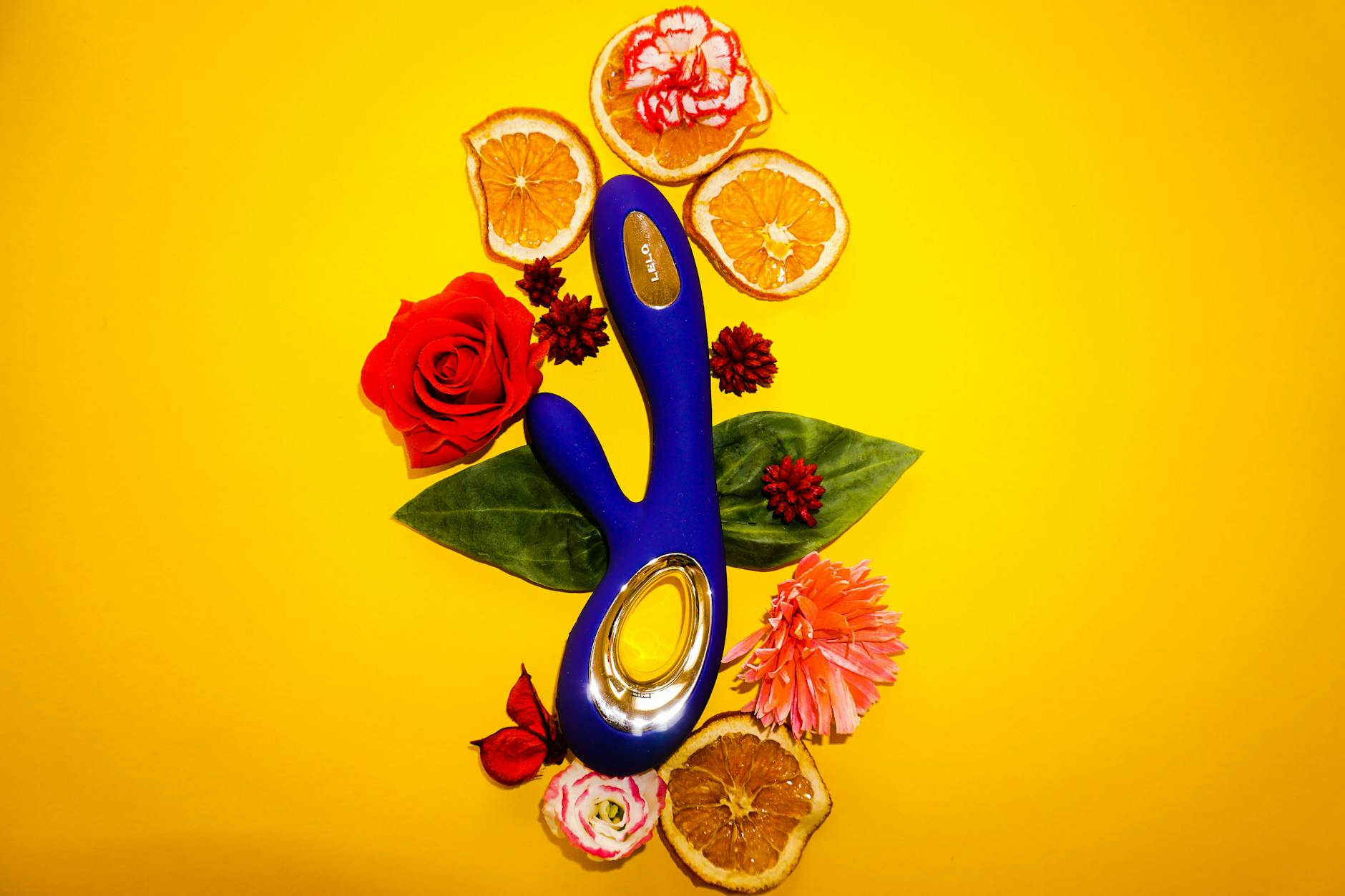
When you introduce something new into a sexual routine that's been unchanged for years, you're signaling to your brain that this is worth paying attention to. A lemon clitoral vibrator does exactly that. It's not about replacing intimacy with a toy. It's about using novelty as a bridge back to your partner.
Why lemon vibrators specifically help midlife desire recovery
Lemon vibrators work well for midlife desire recovery for three concrete reasons.
First, they remove performance pressure. When you've been having the same kind of sex for years and it's started to feel routine, adding a lemon vibrator from Helo Nancy's Lemon resets the dynamic. You're not trying to recreate what used to work. You're exploring something new together. That distinction matters enormously for couples where desire has stalled.
Second, they rebuild sensation without adding complexity. Midlife bodies need different stimulation than younger bodies. Clitoral tissue becomes more sensitive in some spots and less sensitive in others. Arousal takes longer. Orgasm feels different. A lemon sucker like the Lem applies suction stimulus that works efficiently with midlife physiology, which means less frustration and more actual pleasure. When pleasure shows up, desire follows.
Third, they're a conversation starter. The act of shopping together, deciding on a toy, talking about what you both want to try. That's more foreplay than most long-term couples have in a month. The anticipation alone rebuilds desire. By the time you actually use it, you've already started reconnecting.
How to introduce lemon vibrators when desire feels absent
Don't surprise them with it. That's the first rule. A toy appearing in the nightstand without discussion signals that something's "wrong" that needs "fixing." Instead, have the conversation.
Start here: "I've been thinking about how we used to explore more together. I miss that energy. I found this toy from Helo Nancy's Lemon that I think might be fun to try together. Would you want to?" That's it. Low pressure, specific, collaborative.
If they're hesitant, don't push. Instead, ask what they're worried about. Usually it's one of three things: they think it means the sex you have isn't enough, they're worried about performance, or they're just uncomfortable with the novelty. All of those are valid. Address them directly. "I want this because I want us to feel curious together again, not because something's missing." That reframe matters.
When you do use it, start with lower intensity and longer warm-up time. Midlife arousal is slower to build, and that's not a problem. It just requires intentionality. Spend fifteen to twenty minutes on foreplay before introducing the toy. Let your partner use it on you first. Watching someone else experience pleasure often restarts desire in the person watching.
Building a sustainable desire practice
A single session with a lemon vibrator won't fix years of autopilot. But it can interrupt the pattern. After that first time, the goal is to build consistency. I recommend couples establish a rhythm. Not every day. That's unsustainable and defeats the point. Try once a week or every two weeks at first. Make it a ritual, not an obligation. Friday nights, Sunday mornings, whenever you have uninterrupted time.
Each time you use it, try varying the approach. One session, you're in charge. Next time, they are. One time, you use it alone while they watch. Next time, they use it on you. Variation is what keeps desire engaged.
Don't confuse consistency with rigidity. Some weeks you'll skip it. That's fine. The goal isn't to add another item to your obligation list. It's to rebuild the sense that sex is something you explore together, not something that happens to you.
What changes when you actually rebuild desire
Here's what I see happen when couples move from autopilot back to intentionality. First, sex becomes shorter and more frequent. You're not trying to pack everything into one Saturday night. You're stealing twenty minutes on a Wednesday. Quality goes up because you're both actually present. Second, you start initiating sex for different reasons. Not just release, but connection. Playfulness. Curiosity. Those are the desires that sustain long-term partnership.
Third, and this matters most, you stop resenting your partner for not wanting sex and start recognizing that you were both waiting for the other person to want it first. Once you take agency and build desire intentionally, that resentment often dissolves.
I had a couple in my office last month, married twenty-three years, who had been having sex maybe four times a year. After they introduced a lemon clitoral vibrator and started a weekly ritual, they were at once or twice a week within six weeks. When I asked what changed, the wife said, "He wanted to try something new. That made me feel wanted in a way I hadn't in years." She didn't feel wanted because he used a toy on her. She felt wanted because he was willing to be curious about her pleasure.
FAQ
What if my partner refuses to use toys?
That's worth taking seriously. Explore why. Sometimes it's about feeling inadequate. Sometimes it's about discomfort with novelty. Sometimes it's a sign of deeper relationship distance that a toy won't fix. If it's the first two, you can often work through it slowly. If it's the third, you might benefit from couples therapy before trying to rebuild desire.
Can I use a lemon vibrator alone if I'm in a relationship?
Absolutely. In fact, learning what your body responds to alone is often the fastest way to rebuild desire with a partner. When you know what works for you, you can guide your partner more effectively. It also takes pressure off them to be your sole source of pleasure.
How long does it actually take to rebuild desire after midlife shifts?
It depends on how long desire has been absent and how motivated you both are. I usually see couples report noticeable shifts within four to six weeks of consistent practice. But real, sustainable desire rebuilding takes more like three to six months. Patience matters here.
Is lower desire after midlife changes actually normal?
Completely normal. Desire naturally fluctuates across the lifespan. What matters is whether both partners are satisfied with the current level or whether one or both wants more. If you want more and nothing's happening, that's when you take action.
Do I need a specific lemon vibrator or will any toy work?
Any quality toy will work, but lemon clitoral vibrators from brands like Helo Nancy's Lemon are specifically designed for the kind of suction stimulation that works well with midlife physiology. If you're rebuilding desire and want the odds in your favor, a toy designed for this actually matters.
What if we try this and nothing changes?
Then you probably need to look at what else has shifted. Is there resentment? Are you living separate lives? Is one person checked out? A toy can't fix that. But a couples therapist can. Use the toy as a diagnostic. If it doesn't help, that tells you where the real work needs to happen.
The real thing happening here
When desire drops after midlife relationship shifts, you're not broken. Your relationship isn't broken. You're just operating on an outdated system. You built desire through novelty and spontaneity when you were younger. Midlife requires intentionality instead. That feels less romantic on paper, but it's actually more sustainable. You're choosing each other actively, not just defaulting to each other.
Lemon vibrators aren't a magic fix. They're a tool that signals you're willing to show up differently. And that signal, more than anything, is what rebuilds desire. Your partner wants to know you still want them. Exploring a lemon clitoral vibrator together, trying something new, being curious about their pleasure. That's the language of desire speaking again.