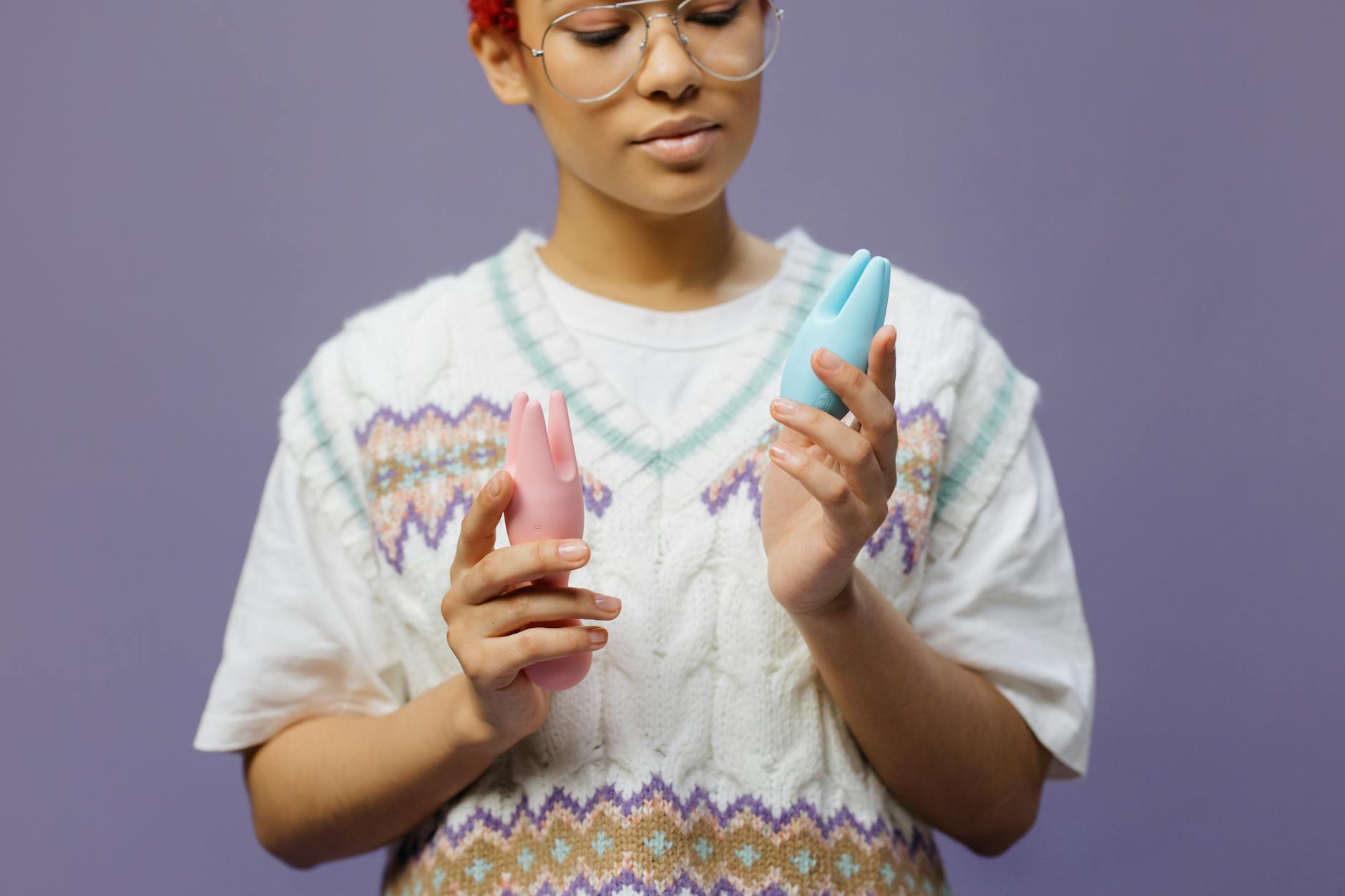
Let's talk about pleasure you don't believe in
Trust issues with pleasure are real. They're not the same as low libido or hormonal shifts. This is when your body feels dangerous to yourself. When pleasure feels like a betrayal of your own boundaries, or when you can't believe you deserve it, or when past hurt makes opening up feel risky. Some of you learned that wanting things was selfish. Some had partners who weaponized your desires. Some experienced trauma that tangled desire and safety together in ways that still feel impossible to untangle.
Using a lemon vibrator when you have this kind of distrust requires a different framework entirely. It's not about intensity or technique. It's about permission and proof.
Why trust and pleasure are neurologically linked
Your nervous system has a job: keep you safe. When something hurt before, your body remembers. That's not weakness. That's precision. Pleasure is vulnerability. It requires relaxation of the pelvic floor, dilation of blood vessels, a drop in cortisol. Your nervous system has to believe it's safe to do those things. If you've learned that pleasure leads to consequences, your body won't cooperate, no matter how good the toy is.
This is why willpower doesn't work. You can't think your way into trust. You have to practice it.
Starting small. Starting safe. Starting solo.
If you have trust issues with pleasure, partner-involved use of lemon vibrators comes much later. Start alone. Not because shame, but because you're the only person whose safety you can control right now.
Set a specific time. Not "whenever I feel like it." Choose a day, a time, a locked door, a specific chair or bed. Ritual creates safety because it removes the element of surprise. Your nervous system loves predictability.
Start clothed. Yes, seriously. Hold the Lem, turn it on the lowest setting, and just feel it in your hands for five minutes. Notice that nothing bad happens. This is called titration in trauma work. You're gradually introducing the stimulus while your nervous system stays regulated.
Then maybe hold it against your arm. Your wrist. Your collarbone. Still clothed, still low intensity. You're building micro-evidence that pleasure doesn't have consequences.
The pelvic floor is where trust lives
When you don't trust pleasure, your pelvic floor holds that story. It grips. It stays tight. The Lem is a clitoral vibrator that works through suction, which is gentler than direct vibration on tissue that's already defended against sensation. But you still need your pelvic floor to cooperate.
Before you use any lemon vibrator, spend two minutes relaxing your pelvic floor intentionally. Not Kegels. The opposite. Breathe in and imagine the pelvic floor releasing like a flower opening. Imagine it soft. Heavy. Held by gravity instead of effort. Most people with trust issues have never experienced what a truly relaxed pelvic floor feels like. This is the foundation.
Lubrication is not optional
Water-based lubricant is part of trust-building. It removes friction that can feel unsafe or painful on sensitized tissue. It also signals to your nervous system that you're taking care of yourself. You're not forcing anything. You're creating ease.
Apply it generously. Reapply. The Lem works better with lubrication, but more importantly, slickness feels like permission. It feels like your own body is helping you instead of resisting you.
The role of micro-pleasure and stopping
When you have trust issues with pleasure, the goal is not orgasm. Not yet. The goal is noticing sensation without judgment. Using a clitoral vibrator becomes a practice in allowing something to feel good without needing it to go anywhere.
Turn on the Lem at a setting so low you almost can't feel it. Just notice. No pressure to respond. No pressure to build to anything. If you feel the urge to stop, stop immediately. This is crucial. You're teaching your body that you listen to it. That your boundaries matter.
Many people find they can tolerate 90 seconds before needing to pause. That's not failure. That's data. Your nervous system is healing. It's learning that you won't force it.
Partnered use comes after you trust yourself
If you eventually want to involve a partner, they need to understand something: your trust issues aren't about them. They're about you rebuilding evidence that pleasure is safe. That takes time. And it requires a partner who can be patient without being passive. Someone who can say "Let's just explore together" instead of "Let me fix this."
Many partners want to help by using the lemon vibrator on you. Resist this for at least a month of solo practice. When you do invite partnership, the partner doesn't hold the Lem. You do. You control the intensity, the duration, the pauses. They're present. They might touch you elsewhere. But you maintain agency over the device itself.
This is not punishment. This is healing architecture.
Reframing what "responsive" actually means
If your arousal feels broken, consider that it might just be protective. Numbness is a survival mechanism. It's not permanent. When you use a lemon clitoral vibrator consistently over weeks, your nervous system gradually receives the message that pleasure is reliable and safe. Arousal returns. But it returns on its own timeline.
You might feel tingling. Warmth. A sense of heaviness. These micro-sensations are arousal. Your body hasn't forgotten how. It's just cautious. And that caution deserves respect, not force.
How other lemon vibrators fit into this practice
If the Lem feels too intense, or if you want variety, other lemon vibrators and suction toys work similarly. The point isn't which toy. It's consistency and self-directed exploration. Show up. Notice. Stop when you need to. Repeat. Over weeks, your nervous system updates its file on pleasure from "dangerous" to "safe."
Common setbacks and what they mean
You'll have sessions where nothing happens. You'll have sessions where you panic midway. You'll have times when the guilt floods back and makes you stop. This isn't failure. This is the nervous system doing its job, which is protecting you. When a setback happens, don't punish yourself by forcing through. Instead, pause that day. Return the next scheduled session. Your consistency matters more than your intensity.
When to bring in professional support
If you find that even micro-doses of pleasure trigger dissociation or panic, that's a sign to work with a therapist who understands trauma and somatic work. Sex isn't the issue. Safety is. A professional can help you build a nervous system that trusts pleasure more deeply than a toy ever can.
Using a lemon vibrator when you have trust issues with pleasure isn't about achieving satisfaction quickly. It's about slow, repetitive evidence that your body can relax. That you deserve to feel good. That pleasure isn't dangerous when you're in control.
Start small. Start solo. Start with permission. The rest follows.
People also ask
Can I use a lemon vibrator if I have sexual trauma?
Yes, but with intention and ideally with a trauma-informed therapist's support. The Lem and other clitoral vibrators work best when your pelvic floor is relaxed, which trauma often prevents. Start with clothed exploration. Build tolerance slowly. Your pace matters infinitely more than anyone else's timeline.
How long does it take to rebuild trust in pleasure?
It varies widely. Some people feel shifts in 4-6 weeks of consistent practice. Others need several months. The timeline depends on the depth of the wound and how much nervous system dysregulation happened. Consistency beats speed. One solo session per week for 8 weeks often shows more progress than sporadic intensive sessions.
What if I feel guilty using a lemon vibrator alone?
Guilt is often a learned response, especially for people raised with messages that pleasure is selfish. Reframe it: solo exploration is how you learn what your body actually wants, separate from anyone else's needs or opinions. This is foundational work. It's not selfish. It's necessary.
Should I tell my partner I'm using lemon vibrators to rebuild trust in pleasure?
Depends on your relationship. Some couples benefit from transparency. Some don't. If you do share, be clear: "I'm doing this to rebuild my own relationship with sensation and safety. It's not about you or us. It's about me" helps prevent partners from taking it personally or trying to speed the process.
Can lemon clitoral vibrators help if I feel numb during sex?
Often, yes. Numbness is frequently a protective response. A lemon vibrator gives consistent, gentle stimulation that can gradually reawaken sensation. But numbness plus no pleasure response might also signal depression or a medication effect. Rule those out first with a doctor.
What if my partner pressures me to use the vibrator faster or more intensely?
That's a trust issue with the partner, not the toy. Slow down. Honestly assess whether this person is safe. Your pace is non-negotiable. If a partner can't respect your healing timeline with pleasure, that's data about the relationship itself.