Let's start with the honest part
Divorce doesn't end your sexuality. But it does interrupt it. You've spent years (maybe decades) having sex in a specific context, with specific expectations, within a specific emotional landscape. Then suddenly that framework is gone. The body doesn't just shrug and move on. It often goes quiet.
That silence is not permanent, and it's not a sign you're broken. It's a sign you need to remember who you are when no one else is watching.
Why pleasure gets complicated after divorce
Three layers are working at once after a divorce.
First, the physical layer. Years of routine sex, or mismatched desire, or just going through the motions can create a kind of numbness. Your body learned to perform rather than feel. That's not about aging or hormones (though both can be factors). It's about attention. Pleasure requires presence, and presence is hard to maintain inside a relationship that's ending.
Second, the emotional layer. Grief shows up as flatness. You might not feel sadness so much as a general dimming of sensation, including sexual sensation. This is normal neurologically. Grief literally dampens dopamine and reduces arousal capacity. It will pass, but it doesn't pass on anyone's timeline but your own.
Third, the identity layer. Your sexuality was defined (at least partially) by partnership. Now that's gone. You might not actually know what you want anymore. That's not confusion to solve. That's possibility to explore.
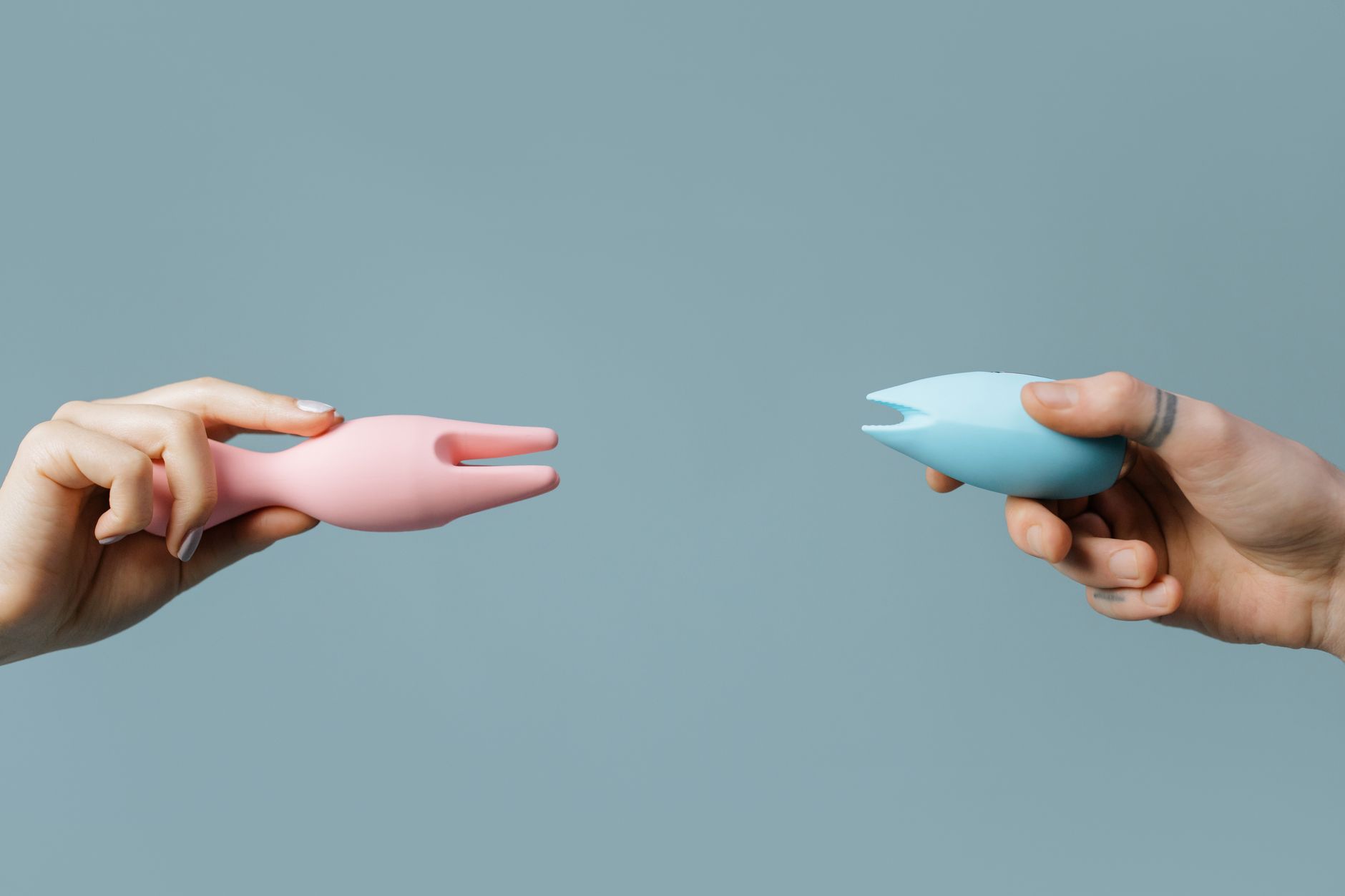
All three layers benefit from solo pleasure practice with the right tools. Lemon clitoral vibrators work particularly well for this because they're designed around sensation, not performance.
Why lemon vibrators help rebuild connection
Here's what makes lemon sexual toys different from other adult toys: they use suction rather than friction. That matters for post-divorce pleasure specifically.
Friction requires you to be in a certain state of arousal already. You have to be ready. With a lemon sucker like the Lem, you can start at lower arousal and let the sensation build you up. There's no pressure to be wet, ready, or enthusiastic before you start. You start, and the tool helps you arrive at pleasure.
That removes a layer of performance. You're not trying to get somewhere. You're exploring what feels good right now, in this body, on this day. After divorce, that distinction is everything.
Second, lemon vibrators are quiet and intentional. They're not about speed or intensity. They're about sustained, focused sensation. That aligns with what your nervous system actually needs after a major life disruption. You're learning to trust pleasure again. Fast and aggressive isn't trustworthy. Steady and responsive is.
Third, they're solo-friendly without being isolating. Using a lemon clitoral vibrator alone is not about avoiding partnership. It's about building a baseline of self-knowledge before you bring anyone else into the picture. You figure out what you like, what you don't, what makes you feel alive. That data is invaluable when you do start dating again.
How to start (and why timing matters)
There's no correct timeline for returning to pleasure after divorce. Some people are ready at three months. Others take two years. The pressure to "move on" or "get back out there" sexually is a real thing, and it's worth resisting.
Instead, ask yourself: am I doing this because I actually want to, or because I think I should? That's the only question that matters.
If you're genuinely interested, start small. Don't buy a collection of lemon adult toys. Buy one. Use it without expectation. Set aside maybe 20 minutes on a night when you're not exhausted, not scrolling, not half-watching something. Just you and your body.
Pattern 1 or 2 on the Lem is usually the starting point. Let it work. Your body might surprise you. Or it might feel flat. Both are fine. You're gathering information, not proving anything.
Many people feel nothing the first time. Or they feel something and then immediately feel guilty for feeling it. That guilt is a hangover from your marriage, not a sign you shouldn't be doing this. Notice it and keep going.
Building a routine without pressure
Once solo pleasure starts feeling less foreign, you can build a practice around it. Not a regimented thing. A ritual.
Maybe it's one night a week. Maybe it's whenever you feel like your pleasure has gone too quiet and you need to check in with yourself. Maybe it's part of bedtime, like brushing your teeth. The shape doesn't matter. Consistency does.
Here's why: your nervous system needs to know it's safe to feel pleasure again. Repetition sends that signal. Your body learns that pleasure is available to you on your own terms, with no performance required, no partner to manage, no expectations to meet.
When you do start dating again (whether that's in three months or three years), you'll bring that knowledge with you. You'll know what you actually want instead of just hoping someone will figure it out. You'll be able to communicate about pleasure without shame because you've already proven to yourself that you deserve it.
That's not about being a better lover. It's about being a person who knows themselves.
The role of lemon vibrators in reclaiming agency
Divorce often leaves you feeling like you lost control. Someone else made decisions. Your life pivoted without your consent. Sex was part of that loss of agency, even if it wasn't explicitly traumatic.
Using a lemon sucker or other lemon clitoral vibrator is the opposite of that. You control the intensity. You control when it starts and stops. You control whether you want to orgasm or just feel good. You set the terms entirely.
That agency transfers to dating. Once you've spent time being in charge of your own pleasure, boundaries become easier. You can tell a new partner what you like and don't like because you've already told yourself. You can say no without guilt because you've proven that pleasure belongs to you, not anyone else.
What to expect when dating resumes
Eventually, you'll feel ready to bring another person into the picture. That's when your solo practice becomes invaluable.
You might discover that what you like alone feels different with a partner. That's normal. Context matters. A lemon vibrator teaches you your own baseline. A partner introduces variables. Both are useful.
The key is staying curious instead of shutting down. If something doesn't feel good, that's information, not failure. If you want to keep using your lemon vibrator during sex with a partner, that's your call to make. Some couples find that incredibly connecting. Others don't. There's no right answer.
What matters is that you're making the choice based on what you want, not based on obligation or shame or the weird idea that introducing a toy somehow means you're not enough. You're enough. The tool is just a tool. It's there because you decided it should be.
When to seek additional support
If pleasure doesn't start returning after several months of solo exploration, or if shame feels paralyzing, talking to a therapist who specializes in sex and relationships is genuinely useful. Divorce can create deep blocks around pleasure, and those sometimes need professional support to move.
You're not broken if you need that help. You're being smart.
Similarly, if you're struggling with the emotional weight of returning to dating, that's also therapy work, not toy work. Lemon vibrators are a tool for reconnection with your own body. They're not a substitute for grief processing or relationship skill building.
Both matter. Use both.
The long view
Divorce is a rupture. It interrupts your story, your identity, your sense of safety. Rebuilding pleasure is part of rebuilding all of that. It's not superficial or indulgent. It's the foundation for the next chapter.
When you reconnect with pleasure on your own terms, you reclaim yourself. Not the version you were in the marriage. The version you actually are, separate from anyone else. That person gets to decide what they want. That person deserves tools that work. That person deserves to feel good.
A lemon vibrator won't fix anything. But it can help you remember that pleasure is available to you again. That's where everything else starts.
People also ask
How long after divorce should I wait before using pleasure toys?
There's no standard timeline. Some people are ready within weeks. Others need a year or more. The right time is when you genuinely want to, not when you think you should. If you're exploring primarily to prove you're "over it" or because someone else thinks you should, wait. If you're curious and open, that's the green light.
Can I use lemon vibrators while still working through divorce emotions?
Absolutely. Grief and pleasure can coexist. Using a lemon clitoral vibrator won't make your grief disappear, but it can remind your nervous system that good sensations are still available to you. That's actually helpful during grief. The two aren't mutually exclusive.
Will using toys alone affect my ability to enjoy sex with a partner later?
No. If anything, it works in the opposite direction. Knowing what you like makes partnered sex better, not worse. You have clearer communication, stronger boundaries, and more self-knowledge. That translates to better connection.
What if I don't feel anything the first time I use a lemon vibrator?
That's completely normal. Your nervous system might still be in protective mode after divorce. Try again a few days later. Many people need three or four sessions before sensation registers. There's no rush. If you genuinely feel nothing after consistent exploration over several weeks, that might be worth discussing with a therapist who specializes in sexual health.
Should I tell a new dating partner that I use lemon vibrators?
That's entirely your call. Some people bring it up early. Others wait until things get more intimate. What matters is that you're not hiding it out of shame. If you use a lemon sucker or other lemon sexual toy, that's a normal part of who you are. You get to decide when and how to share that information.
How do I know if I'm using a lemon vibrator as a healthy reconnection tool versus avoidance?
Ask yourself honestly: am I exploring pleasure with curiosity, or am I using this to numb emotional pain? One feels alive even when it's sad. The other feels flat or frantic. If it's the latter, that's a sign to bring in additional support (therapy, trusted friends, time) rather than relying only on solo pleasure practice.
If you're navigating the complex feelings around pleasure and dating after divorce, you don't have to figure this out alone. Reach out to talk about what you're experiencing. Sometimes the most powerful thing is saying it out loud to someone who gets it.