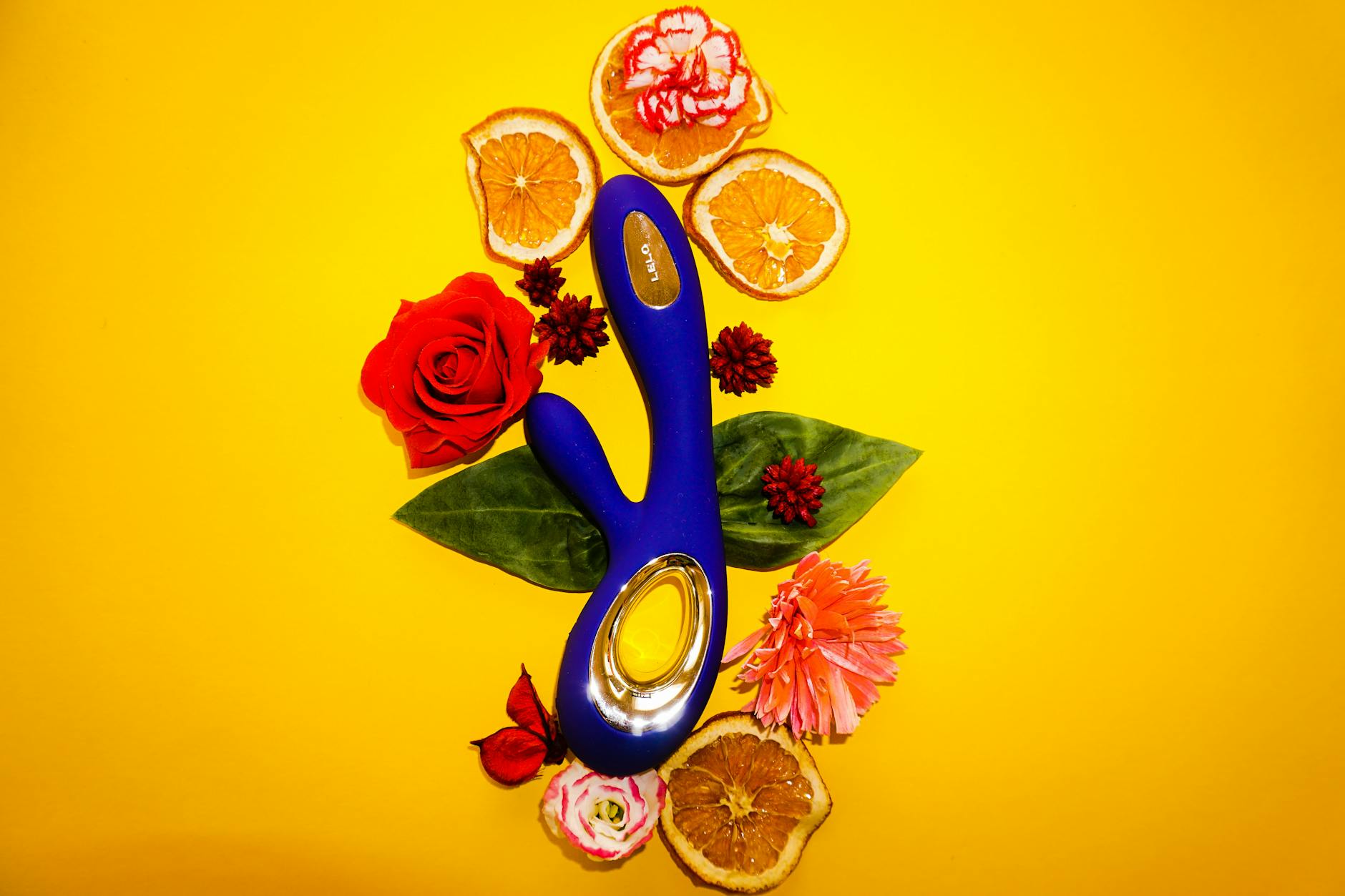
Let's talk about pleasure creep
You get a new lemon clitoral vibrator. The first week is transcendent. You're using it every night, sometimes twice. Then somewhere around week three, you notice you need to turn it up to feel the same intensity. By week six, you're chasing that original sensation and it's just not there anymore.
This is desensitization, and it's not a personal failure. It's neurology.
How your clitoris actually adapts
Your clitoral nerves are exquisitely sensitive. They respond to novelty and change. When you apply the same pattern, same intensity, same duration repeatedly, your nervous system literally stops registering it as "new" information. Your brain downregulates the pleasure signal. This happens with everything from caffeine to orgasms, but it's particularly pronounced with air-suction toys like the Lem because they deliver such intense, sustained stimulation.
The good news: this isn't permanent damage. It's adaptation. And you can absolutely reset it.
The pattern interrupt principle
Your nervous system craves variation. This means:
Rotate the intensity patterns. If your lemon vibrator has five settings, use only patterns 1 through 3 for two weeks. Then jump to pattern 5 for a session or two, but only occasionally. The unpredictability keeps your brain engaged.
Vary the session length. Aim for 15 minutes one day, 8 minutes the next, 20 minutes a few days later. Your clitoris won't know what to expect, so it stays attentive.
Change the setup. Use it lying down one week, seated the next. Different positions change the angle of stimulation and engage different nerve clusters. This single shift can restore novelty without changing the toy.
Build in rest days. This is the hardest one, but also the most powerful. Taking 2 to 4 days off between sessions allows your nervous system to recalibrate. Sensitivity rebounds dramatically after even a short break.
The ramp-up trap and how to avoid it
One of the biggest mistakes people make is chasing intensity instead of sensation. When a lemon vibrator stops feeling as good, the instinct is to turn it up higher. Resist this.
Instead, focus on subtlety. Drop the intensity down and slow down your approach. Spend 10 minutes just noticing the sensation without pushing toward an orgasm. This retrains your nervous system to find pleasure in gentler stimulation and actually restores baseline sensitivity over time.
If you've been in the intensity spiral for months, expect a 2 to 3 week reset period. That's how long it typically takes for your clitoris to regain baseline responsiveness. But it does happen.
The dual-toy strategy
If you love using lemon vibrators and don't want to take breaks, here's a workaround: rotate between two different types of stimulation. Use your lemon clitoral vibrator on pattern 2 one session, then switch to manual stimulation or a different toy entirely the next time.
This sounds like a compromise, but honestly, it's not. Your pleasure actually deepens when you experience contrast. The intensity of your lemon vibrator feels sharper after a session of slower, gentler touch. The whole nervous system becomes more responsive.
Many people find that how lemon vibrators work better when there's no pressure to orgasm also combats desensitization. Chasing the finish line can lock your nervous system into a narrow range of sensation. Removing that goal naturally invites more variation and presence into the session.
Lubricant matters more than you think
Here's something counterintuitive: better lubrication can actually reduce desensitization. When there's a slick layer between your clitoris and the toy, the sensation is diffused and less intense. This forces your attention to move toward subtlety instead of intensity chasing.
Switch between water-based lubes with different formulations every few weeks. A thick, creamy lube changes the feel of your lemon vibrator compared to a slick, watery one. Again, variation.
The timeline most people don't know about
If you've been using lemon vibrators daily for months and lost sensitivity, here's what to expect on a reset:
Week 1 to 2. No change yet. You might feel frustrated. This is normal. Your nervous system is still in adaptation mode.
Week 2 to 3. Small shifts. The sensation starts feeling slightly different, maybe more distinct.
Week 3 to 4. Noticeable improvement. Lower intensity settings feel satisfying again.
Week 4 plus. Full reset. Your baseline sensitivity is back, and when you return to your lemon vibrator, it feels almost new.
This assumes you're actually taking breaks and varying your approach. If you just keep using it daily at higher and higher settings, the timeline extends indefinitely.
The partner angle
If you're using lemon vibrators with a partner, desensitization can feel threatening. It's easy to blame the relationship or assume your body is broken. But really, you're just experiencing normal neurological adaptation.
The fix here is collaborative. Tell your partner you're taking a deliberate break or switching to lower settings to maintain sensitivity. Many couples find this actually strengthens intimacy because it requires communication and mutual creativity. You're not abandoning the toy, you're using it smarter.
When to see someone
If you've taken a full two-week break and your sensitivity hasn't returned at all, that might point to something else going on. Certain medications (especially antidepressants and some antihistamines) can genuinely numb sensation. Why lemon vibrators take longer to feel good on antidepressants walks through this in detail.
Similarly, if you notice sudden changes in sensitivity alongside other symptoms (pain, numbness in unrelated areas, hormonal shifts), check in with your doctor. Desensitization from overuse is almost always reversible and responds quickly to variation. If it doesn't, something else might be at play.
The real pleasure secret
Here's what I've seen in my work with couples and individuals: the people who get the most sustained pleasure from lemon vibrators are the ones who treat them like an instrument, not a destination. They experiment. They take breaks. They vary the approach.
Your clitoris is intelligent. It learns. And it actually gets bored by repetition. Once you understand that, you stop fighting your own nervous system and start dancing with it.
The Lem and other lemon clitoral vibrators are designed for intensity, sure. But they're also designed to respond to nuance. Lower settings, varied patterns, strategic breaks, and genuine presence all unlock pleasure that chasing sensations never will.
Variation isn't a workaround for desensitization. It's the entire point of pleasure itself.
People Also Ask
How long does it take to desensitize from using a lemon vibrator every day?
Most people notice a shift in sensitivity within 3 to 4 weeks of daily use at the same setting and pattern. The desensitization is gradual, though. You might not register it as "numb" so much as "less intense than it used to feel." This is why many people unconsciously turn up the intensity dial without realizing what's happening.
Can you permanently damage your clitoris by using a vibrator too much?
No. Your clitoris is resilient. Desensitization from overuse is a nervous system response, not structural damage. Taking breaks, lowering intensity, and varying your approach all restore baseline sensitivity within weeks. The tissue itself isn't harmed.
Is using a lemon vibrator twice a day bad for sensitivity?
Not inherently, but it accelerates desensitization if you're using the same settings and pattern both times. If you alternate between different patterns or intensities (morning session on pattern 2, evening session on pattern 4), you're less likely to experience a plateau. The key is variation, not frequency.
Why does my lemon clitoral vibrator feel less intense now than when I first got it?
Your nervous system is adapting to predictable input. When you first got it, everything was novel. Now that the stimulus is familiar, your brain down-regulates the pleasure signal to focus on genuinely new information. This is protective, but it does create a plateau. Changing patterns, intensities, durations, or positions reintroduces novelty and restores sensation.
How do I reset my sensitivity after months of overuse?
Take a 2 to 3 week break from your lemon vibrator entirely, or switch to gentler forms of stimulation during that period. When you return, start at the lowest settings and stay there. Your sensitivity will rebound within a few weeks. After that, use pattern variation and strategic rest days to maintain responsiveness long-term.
Can lube help with desensitization?
Yes, partly. Thicker, more generous lubrication reduces the intensity of sensation and forces your attention toward subtlety. This naturally combats intensity chasing and can help slow desensitization. Switching between different lube formulations also adds variation, which your nervous system actively craves.