Here's what nobody tells you about sex after 50
Orgasms don't end. They transform. And if you've spent the last few years thinking your body was winding down, you might be missing the fact that it's actually shifting into a different gear entirely.
I work with women in their 50s, 60s, and beyond who came to me convinced their sexual peak was a decade behind them. Most of them had experienced some version of what their friends described: less frequent desire, longer warm-up time, quieter or less intense sensations. They assumed this was the inevitable fade. What they didn't know is that these shifts are actually an invitation to a different kind of pleasure. And lemon vibrators, specifically air-suction clitoral vibrators like those from Helo Nancy's Lemon, are often the exact tool that makes this new chapter feel better than the last one.
What actually changes in the body after 50
Let's start with physiology because it matters. After 50, whether you've been through menopause or you're approaching it, several things shift.
Estrogen drops. This makes genital tissue thinner. It also changes blood flow patterns to the area. Without estrogen's plumping effect, sensation can feel more diffuse at first. The clitoris doesn't engorge as quickly. The vaginal entrance may feel less elastic. Your pelvic floor loses some of its muscular tone.
But here's what people miss: none of this means orgasms get worse. It means they get different. And different, when you're working with the right tool, can feel significantly better.
Why lemon clitoral vibrators work so well for this shift
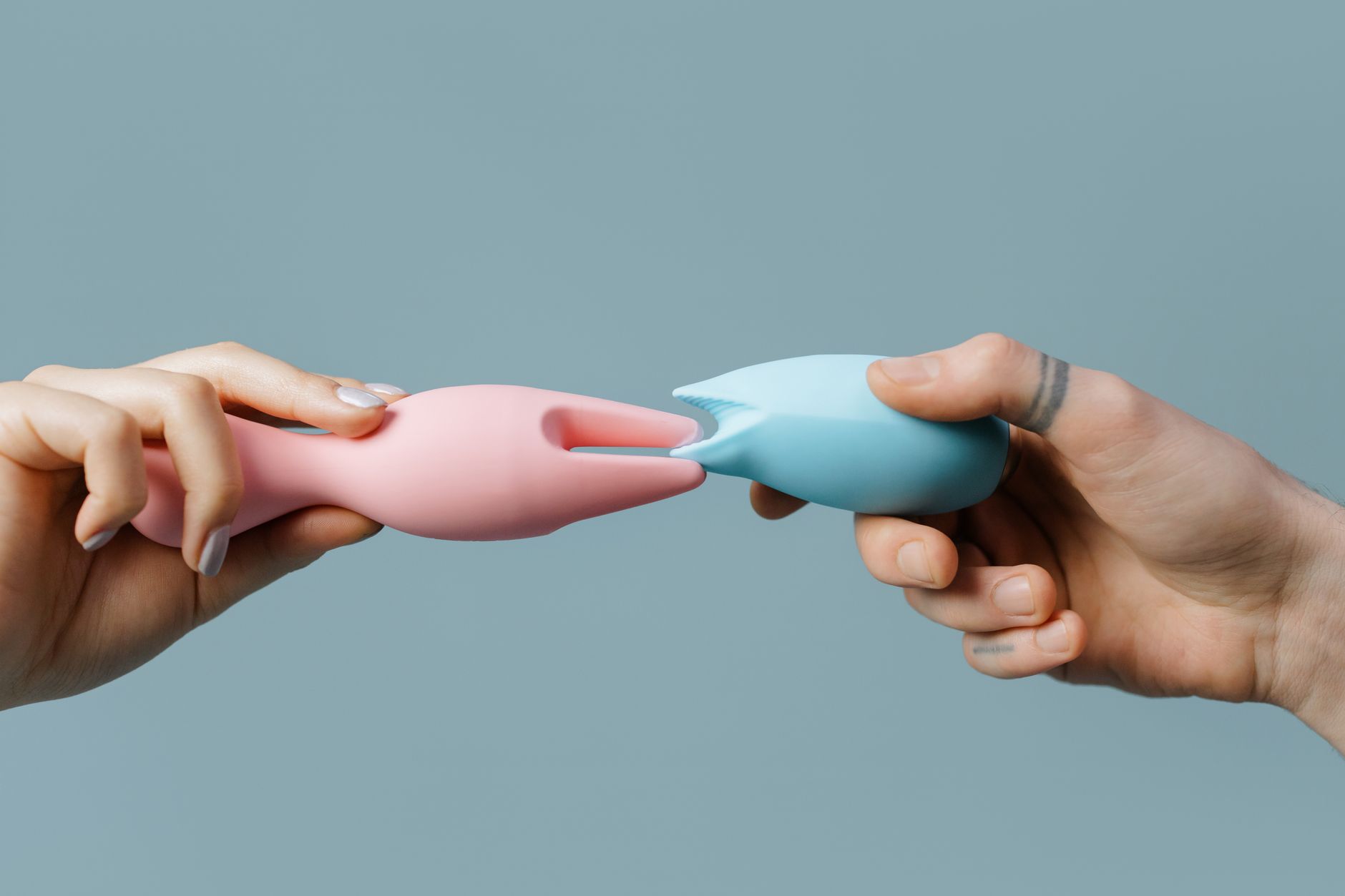
Traditional vibrators rely on direct friction. When tissue is thinner or more sensitive, that friction can feel overwhelming or even painful. Air-suction vibrators like the Lem work differently. They use gentle suction and pulsation patterns to stimulate nerve endings without requiring the same mechanical intensity.
What does this mean practically? You get sensation that feels broader and less pointy. The stimulation reaches deeper tissues without the aggressive surface buzz that sometimes feels numbing over time. Many women in their 50s report that they can feel more with a lemon sucker than they could with traditional vibrators in their 40s.
The other huge advantage is warmth and responsiveness. Because air-suction stimulation doesn't numb the area the way constant friction can, your body stays engaged longer. Orgasms, when they arrive, tend to be more complex. Some women describe them as full-body instead of localized. Others say they finally understand what everyone was talking about because orgasms feel like they actually build instead of just switch on and off.
The warm-up piece is real and completely manageable
Yes, arousal takes longer after 50. This used to stress me out when I was in my 40s. Now I've learned to see it as a genuine advantage.
Quick arousal is fine when you have 20 minutes and you're in a new relationship. But when you've been with the same partner for decades, when you know your body well, when you have time to explore? The longer build is better. It gives you space to get truly present. It creates room for sensation to layer. You're not rushing through foreplay just to get to the main event. Instead, foreplay becomes the entire experience.
With a lemon clitoral vibrator, that extended warm-up actually works in your favor. Start on the gentlest setting. Spend time exploring what feels good without aiming for anything. Let your body warm up. After 15 to 25 minutes of this (yes, really), you'll notice something shifts. The sensitivity increases. Patterns that felt neutral suddenly feel good. This is your nervous system waking up, not something broken in your body.
Lubrication is a tool, not a sign of failure
If you've been avoiding lube because you felt weird about needing it, stop. Here's my clinical take: thinner tissue after 50 benefits from lubrication the same way your skin benefits from moisturizer. It's not a failure of arousal. It's just anatomy.
Use a good water-based lube. Apply it generously. Reapply if you're going longer than 15 minutes. This changes everything. With proper lubrication and a lemon sucker that works with your tissue rather than against it, the entire experience becomes smoother and more pleasurable.
If you're in a partnership, this is also where you might involve your partner in a completely different way. Lubrication becomes collaborative. They apply it. You guide them. This simple shift sometimes reignites the playfulness that long-term relationships lose.
The orgasm itself feels different (and often better)
I want to be specific here because the fear most women carry into their 50s is that orgasms will feel weaker. Sometimes they do, at first, if you're not working with the right stimulation. But with proper setup.
Orgasms after 50 often have more texture. You might feel multiple peaks instead of one. Some women report that sensation spreads through their body in ways it didn't when they were younger. The intensity might not be identical to how it felt at 35, but it's often richer. More sustained. More complex neurologically.
What changes is the arc of arousal. It's slower to build but often longer at the plateau. The descent is gentler. Some women say this means they can have multiple orgasms more easily because they don't crash as hard afterward.
What to do if sensitivity feels totally numb
If you've tried this and sensation still feels muted, there are two things worth checking. First, some medications genuinely do numb clitoral sensation. If you're on antidepressants or certain blood pressure medications, ask your doctor specifically about sexual side effects. There are sometimes alternatives or dosage adjustments that help.
Second, pelvic floor tension can mask sensation. If you've been stressed or holding tension in that area, the muscles can be so tight that signals don't transmit well. A pelvic floor physical therapist can assess this. Often just learning to fully relax that area (not squeeze it harder with Kegels, but literally let it go soft) unlocks sensation you didn't know was there.
The mental piece matters as much as the physical one
Here's something that surprised me in my work with women over 50. Often the biggest barrier to pleasure wasn't physical. It was mental.
Many women spent decades treating sex as something they did for a partner. The idea that they could prioritize their own sensation, their own pleasure, their own rhythm felt almost selfish. By 50, some of them had never actually explored what they wanted independent of anyone else's needs.
This is where I see the biggest transformation. A woman in her 50s who finally gives herself permission to spend 30 minutes exploring with a lemon vibrator solo. Who stops making it about efficiency or checking a box. Who gets curious instead of goal-oriented. That shift in mindset often changes everything.
Your orgasms don't disappear after 50. What disappears is the noise. The pressure. The expectation. What emerges, if you let it, is something quieter and stranger and often more satisfying.
Common concerns and what actually happens
Will I become dependent on a vibrator? No. Your body doesn't develop tolerance to air-suction stimulation the way it can with constant friction-based vibration. Most women find that using a lemon clitoral vibrator actually increases their sensitivity over time because it doesn't numb the tissue.
Will my partner feel bad that I want to use one? Probably not, if you frame it right. Try: "I found something that helps me feel more, and I want to share that with you." Most partners are relieved. For years they might have thought the difficulty was something they were doing wrong. Discovering it's just a tools-and-anatomy thing often feels like a gift.
Is 50 too late to start exploring if I didn't much before? Absolutely not. In fact, you might have an advantage. You know yourself better. You're less concerned with looking a certain way. You've often done the work of figuring out what matters. That clarity is powerful when you're exploring pleasure.
A few practical pointers for getting started
Start solo. This removes any performance pressure. You can figure out what you like without worrying about someone else's experience.
Begin on the lowest setting. The gentlest pattern. Your tissues are sensitive in a different way after 50, and going gentle first means you can actually feel what's happening instead of just experiencing stimulation.
Take your time with warm-up. Budget 20 minutes minimum. This isn't laziness. This is how your nervous system works at this age.
Keep water-based lube nearby. Use it generously. Reapply as needed. There's no such thing as too much lube.
If something feels uncomfortable, stop. Pain isn't normal. Discomfort that eases into pleasure is different, but sharp or persistent pain means something's not right. See a gynecologist if pain persists.
Remember that clitoral vibrators work best when you're already somewhat aroused. Don't jump straight to the device. Spend time with sensation. Touch. Thought. Get your blood flowing first.
FAQ
Are lemon vibrators safe to use after 50?
Completely safe. Helo Nancy's Lemon products are designed with body-safe silicone and medical-grade components. The air-suction technology is actually gentler on aging tissue than traditional vibrators because it doesn't rely on constant friction. If you have any specific medical concerns, ask your gynecologist, but for most women over 50, lemon clitoral vibrators are an excellent option.
How long does it take to feel something with a lemon sucker?
It depends on your starting point. Some women feel immediate response. Others take several sessions to understand the sensation. Most report that after three to five uses, the patterns start to feel intuitive and pleasure builds faster. Your nervous system needs time to recognize the stimulation pattern. Patience matters here.
Can I use a lemon vibrator if I've had limited sexual experience?
Yes. In fact, some women find that starting in their 50s without years of specific habits or expectations can actually be freeing. You're not comparing it to anything. You're just exploring what feels good. That's often the best approach.
What if lubrication isn't the issue and I still feel numb?
First, check whether certain medications might be dulling sensation. Second, consider pelvic floor tension. Third, give yourself more time. Sometimes it takes consistent exploration over weeks before sensation truly wakes up. If numbness persists after several weeks of regular use, talk to a pelvic floor physical therapist or your gynecologist.
Do I need to use a lemon vibrator every day?
No. There's no magic frequency. Some women use theirs a few times a week. Others use them sporadically. The goal isn't habit formation. It's pleasure and exploration. Use it when you want to. If you're finding that you feel like you "should" rather than "want to," that's a sign to step back and reconnect with why you wanted to explore in the first place.
Will a lemon vibrator help if I'm still on hormone replacement therapy?
Often yes. HRT helps with systemic symptoms, but it doesn't always fully address local genital tissue changes. A lemon clitoral vibrator works alongside HRT to maximize sensation. Many women find that combining both approaches gives them the best results. Talk to your doctor about what's right for your situation.
The bottom line
Sex doesn't end at 50. It transforms. If you've assumed your best orgasms are behind you, I'm here to tell you they might actually be ahead. Your body has changed, absolutely. But different isn't worse. Different, with the right approach and the right tools, can feel genuinely better. A lemon vibrator from Helo Nancy's Lemon is often that missing piece. One that unlocks a version of pleasure you didn't know was possible at this stage of your life. And honestly, after 50, that kind of discovery feels pretty revolutionary.