Let's talk about the thing nobody mentions on the patient information sheet
Hormonal medications work because they change your brain chemistry. That's the point. But one of the side effects nobody warns you about is how flattened everything feels. Your body stops responding the way it used to. Arousal takes forever. Orgasms feel muted, or don't arrive at all. And you're sitting there wondering if you've just traded one problem for another.
You haven't. But your nervous system has genuinely changed, and you need a strategy to rewire it.
How hormonal medication affects pleasure
Let's break down what's actually happening in your body. Hormonal birth control, certain antidepressants, and even some blood pressure medications change the baseline of neurochemical activity in your brain. They alter dopamine, serotonin, and norepinephrine levels. These aren't abstract brain chemicals. They're the reason your body feels arousal in the first place.
The mechanism is real. It's not "all in your head" in the dismissive sense. It's literally in your head, and your head is in charge of the signals sent to your pelvis.
Estrogen affects blood flow to the clitoris. Serotonin affects desire. When medications lower circulating estrogen or raise serotonin (the goal of SSRIs, which flatten emotional extremes and sometimes sexual response too), the cascade reaction is slower. Your body needs more input, more time, more consistent stimulation to reach arousal threshold.
That's where sensation-focused tools matter.
Why lemon clitoral vibrators work differently here
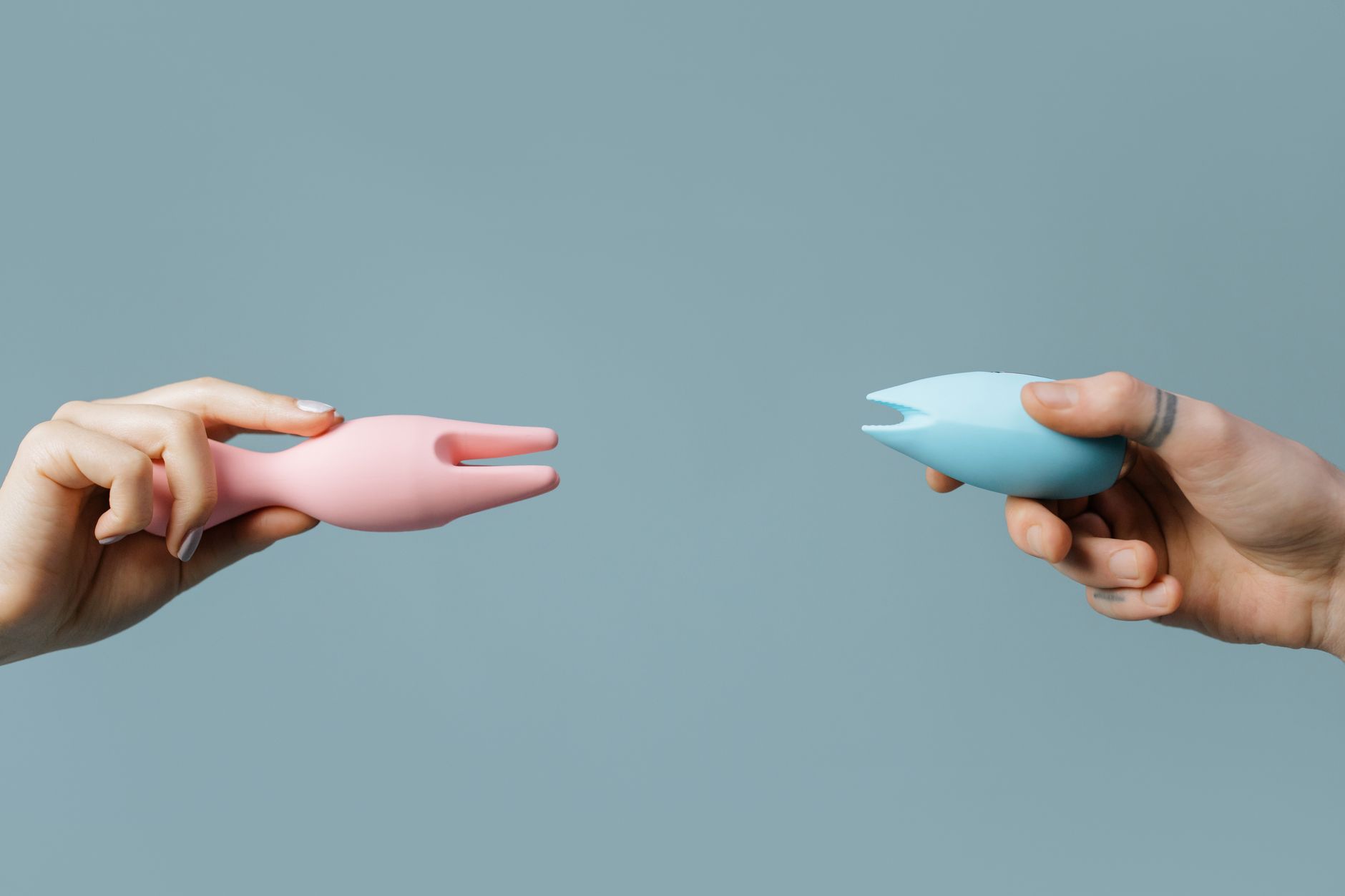
Here's the thing about air-suction lemon vibrators like the Lem. They don't rely on the same nervous system pathways that traditional vibrators do. Traditional vibrators depend heavily on direct friction and pressure. If your nerve sensitivity is dulled, you often need them at higher intensities, which can feel numbing or uncomfortable.
Air-suction technology works differently. It creates a seal and pulse pattern that stimulates the entire clitoral complex, not just surface friction. For someone whose sensation has been chemically dampened, this broadened stimulation field can wake up neural pathways that traditional vibration might miss entirely.
Many people I work with report that lemon sexual toys feel like they're "speaking to their body in a new language" when medication has flattened their response. The sensation is different enough that it bypasses the learned numbing and creates fresh input.
That matters psychologically too. You're not trying to force your post-medication body to respond like your pre-medication body. You're giving it something genuinely novel to respond to.
The timeline for sensation recovery
Let's be honest about expectations. If you've been on hormonal birth control for five years, your nervous system has adapted to that baseline. Rewaking sensation doesn't happen overnight, and it's not linear.
Most people report initial shifts within two to four weeks of consistent exploration. "Consistent" doesn't mean daily. It means intentional, 2-3 times weekly, with patience and no goal-focused pressure.
The first few sessions might feel strange or disappointing. That's normal. Your body is relearning the capacity for arousal. You're not broken. You're adjusting.
Some people find that sensation rebounds gradually over two to three months. Others take longer. If you've changed medications recently, your body's responsiveness is still stabilizing. Give it time before concluding that sensation recovery isn't possible.
Building a rewakening practice
Here's what I recommend to clients navigating this specific challenge:
Start with exploration, not goals. Don't set out to orgasm. Set out to notice sensation. What patterns feel different? What intensity levels create interest rather than numbness? This shift from outcome-focused to sensation-focused is sometimes the biggest unlock.
Use lower settings initially. Lemon vibrators come with multiple intensity levels for a reason. Start at pattern 1 or 2. Your nervous system is tuning back in. Blast it with intensity 8 and you might trigger the same avoidance response the medication created.
Build warm-up time into your practice. Before using any vibrator, spend 10-15 minutes on non-genital touch. Hands on your own body. Movement. Breathing. Let arousal build first, then introduce the tool.
Track what works without obsessing over it. Keep a simple note. Which patterns felt good? What time of day? Were you in your head or in your body? This isn't neurotic. It's data. Your nervous system will start recognizing its own signals again.
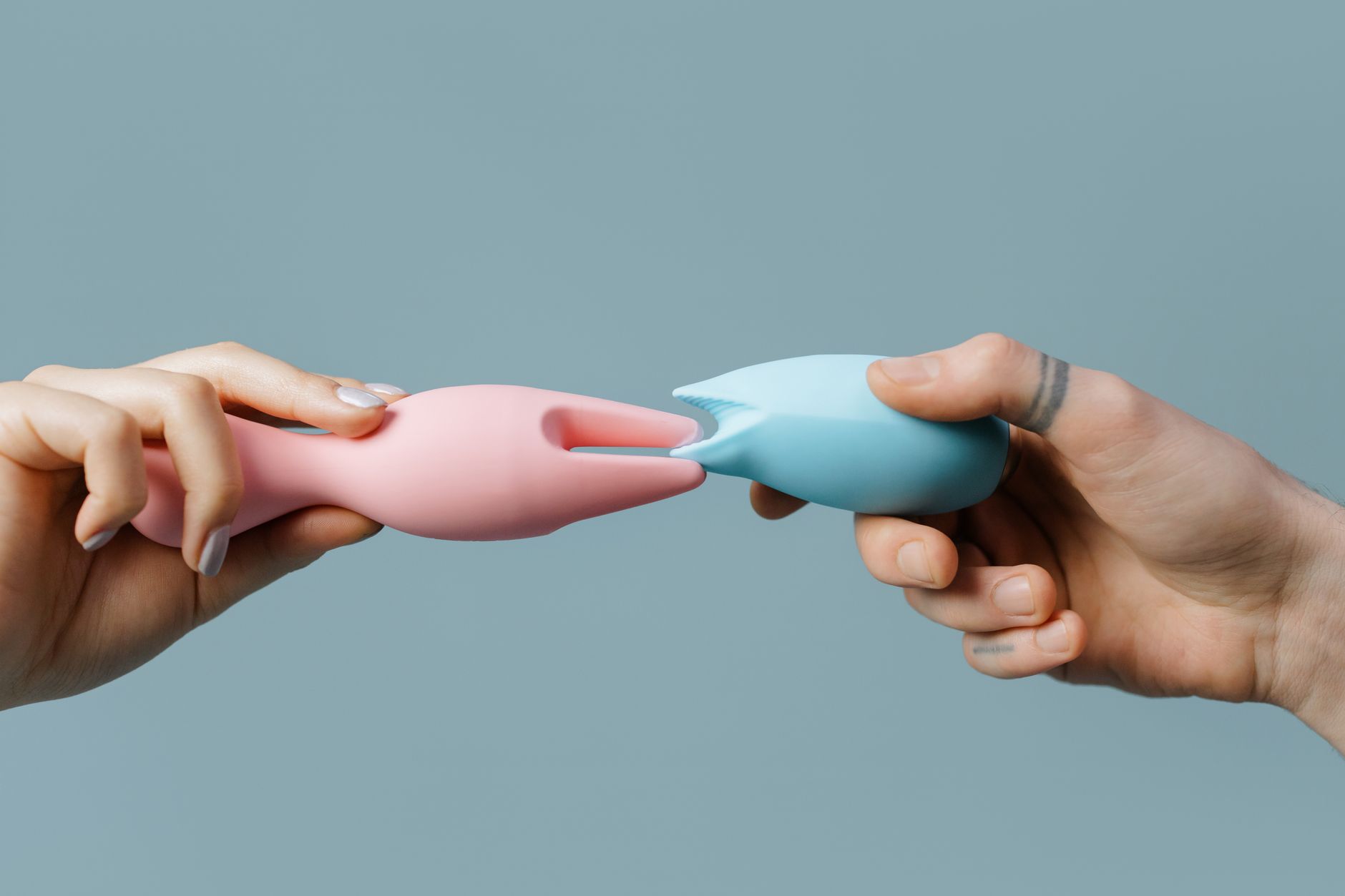
Photo by cottonbro studio on Pexels
The role of partnered exploration
If you're working through sensation recovery with a partner, the conversation is crucial. They might notice that you're less responsive and worry it's about them. It's not. It's about neurochemistry.
Invite them into the process without making them the solution. "I'm rebuilding sensation after medication. It's taking time. I'd love for you to be here as I explore what feels good to me" lands differently than "Nothing feels good anymore" or worse, not mentioning it at all.
Some couples find that exploring with tools together creates a sense of shared discovery. Others find it better to practice solo and report back. There's no right answer. But secrecy and shame around medication side effects will slow your recovery.
What to expect as sensation returns
Sensation recovery is rarely smooth. You might have a session where things feel suddenly sharp and present, then the next session feels flat again. That's your nervous system recalibrating. It's not backwards motion.
As you progress, you may notice that your arousal response starts coming faster. The plateau phase between initial stimulation and orgasm might shorten. Orgasms themselves might feel different than they did before medication. That doesn't mean they're worse. Different is not worse.
Some people find that sensation recovered from medication-dampening is actually more vivid than their baseline before medication started. They'd adapted so gradually to the numbing that they forgot what presence feels like.
When to talk to your prescriber
If sensation hasn't shown any signs of change after three months of consistent exploration, it's worth revisiting the medication conversation with your doctor. Some SSRIs are more notorious for sexual side effects than others. Your prescriber may have alternatives that work equally well for your condition but with less impact on arousal.
Similarly, if you're on hormonal birth control specifically for cycle management rather than contraception, there are other options. Some people find that switching from combination pills to progestin-only methods (or to non-hormonal methods entirely) restores sensation faster.
The goal isn't to abandon a medication that's helping you. It's to find the version that helps your whole self, including your pleasure.
FAQ: Sensation recovery and lemon vibrators
Can I use a lemon clitoral vibrator while still on medication that dampens sensation?
Absolutely. In fact, that's often the ideal time to start. You're not waiting for your body to wake up on its own. You're introducing a tool that helps stimulate the nervous system while the medication is still in your system. Many people find they notice the earliest shifts in sensation from the combination of both.
How long does it take for medication to fully leave your system?
That depends entirely on the medication. Some SSRIs clear in days. Others take weeks. Birth control hormones stay in your body for a bit even after you stop taking pills. Ask your prescriber for a timeline specific to your medication. Sensation recovery often continues even after the medication is gone, so don't panic if the first month post-medication still feels flat.
Is it normal to feel nothing at all with a lemon vibrator when I'm on antidepressants?
It's common, not normal in the broken sense. Some antidepressants have stronger sexual side effects than others. If you feel literally nothing after several sessions at different settings, that's worth mentioning to your prescriber. It might signal that this particular medication isn't the right fit for your body, even if it's helping your mental health.
Can a partner help me regain sensation faster?
A partner can create safety and support, which matters. But sensation recovery is ultimately a conversation between you and your own nervous system. The most helpful thing a partner can do is be patient, curious, and non-goal-oriented while you explore. Pressure to orgasm or perform will slow recovery.
What if I switch medications and sensation still doesn't return?
Give yourself the full timeline. A new medication needs time to stabilize in your system. Sensation recovery is patient work. If you're three months into a new medication and sensation still hasn't shifted, talk to your prescriber again. Sometimes the solution is finding the right medication. Sometimes it's talk therapy or sex therapy to address any secondary anxiety that's developed around your body's responsiveness.
Do different patterns on a lemon vibrator actually matter for sensation recovery?
Yes. Different patterns activate different parts of your nervous system. Pattern 1 might feel gentle and exploratory. Pattern 3 might feel focused and intense. As you rebuild sensation, you're essentially teaching your nervous system which inputs create arousal. Variety in stimulation helps that relearning process. Stick with one pattern for a full session rather than chasing novelty, but switching between sessions is valuable.
The reawakening is real
Medication flattens pleasure. That's chemically honest and worth acknowledging without shame. But flattened isn't permanent. Rewakening sensation takes intentionality, patience, and usually the right tools. Lemon vibrators are designed for exactly this kind of nuanced stimulation, and they work. Your body isn't broken. It's just waiting for the right invitation to feel again.
Start where you are. Use what helps. Trust the timeline. Your pleasure matters, and it's worth the work to bring it back.
Have questions about rebuilding sensation or navigating medication side effects? Reach out at /contact. We're here to help.