
Let's be real about vaginismus and pleasure
Vaginismus is not about being "tight." It's an involuntary muscle contraction that makes penetration painful or impossible. And here's the part nobody tells you: the clitoris doesn't care. Your clitoris has zero involvement in vaginal tension. It wants stimulation. It can feel pleasure independently of whatever's happening lower down.
That distinction changes everything, because most people with vaginismus assume their entire sexual life is off the table. It isn't. But you need the right tool.
How traditional vibrators miss the mark
A standard vibrator works through rapid oscillation. You press it against your clitoris, and the vibration travels through the tissue. For people without pelvic tension, this feels great. For people with vaginismus or pelvic floor dysfunction, it often triggers the same protective muscle response that makes penetration painful.
Why? Because vibration can inadvertently create anticipatory tension. Your pelvic floor is already in overdrive trying to guard against pain. Adding vibration can feel like it's ramping up the signal your body is already sending. Some people with vaginismus find traditional vibrators unbearable for exactly this reason.
That's where air-suction technology shifts everything.
Why air-suction bypasses the pain cycle
Lemon vibrators and similar air-suction devices work through gentle suction and release patterns. Instead of vibrating against tissue, they create a rhythm of pressure and release. This is neurologically different from vibration.
Here's what happens physiologically. When suction pulls on the clitoris, it stimulates the nerve endings without requiring muscle tension to sustain the sensation. You're not "gripping" anything. You're not working against your body. The sensation arrives without the pelvic floor needing to brace.
For people with vaginismus, this is liberation. You can experience intense clitoral pleasure without triggering the muscle tension that makes penetration painful. And that matters not just for solo play. It matters for rebuilding trust with your body and your partner.
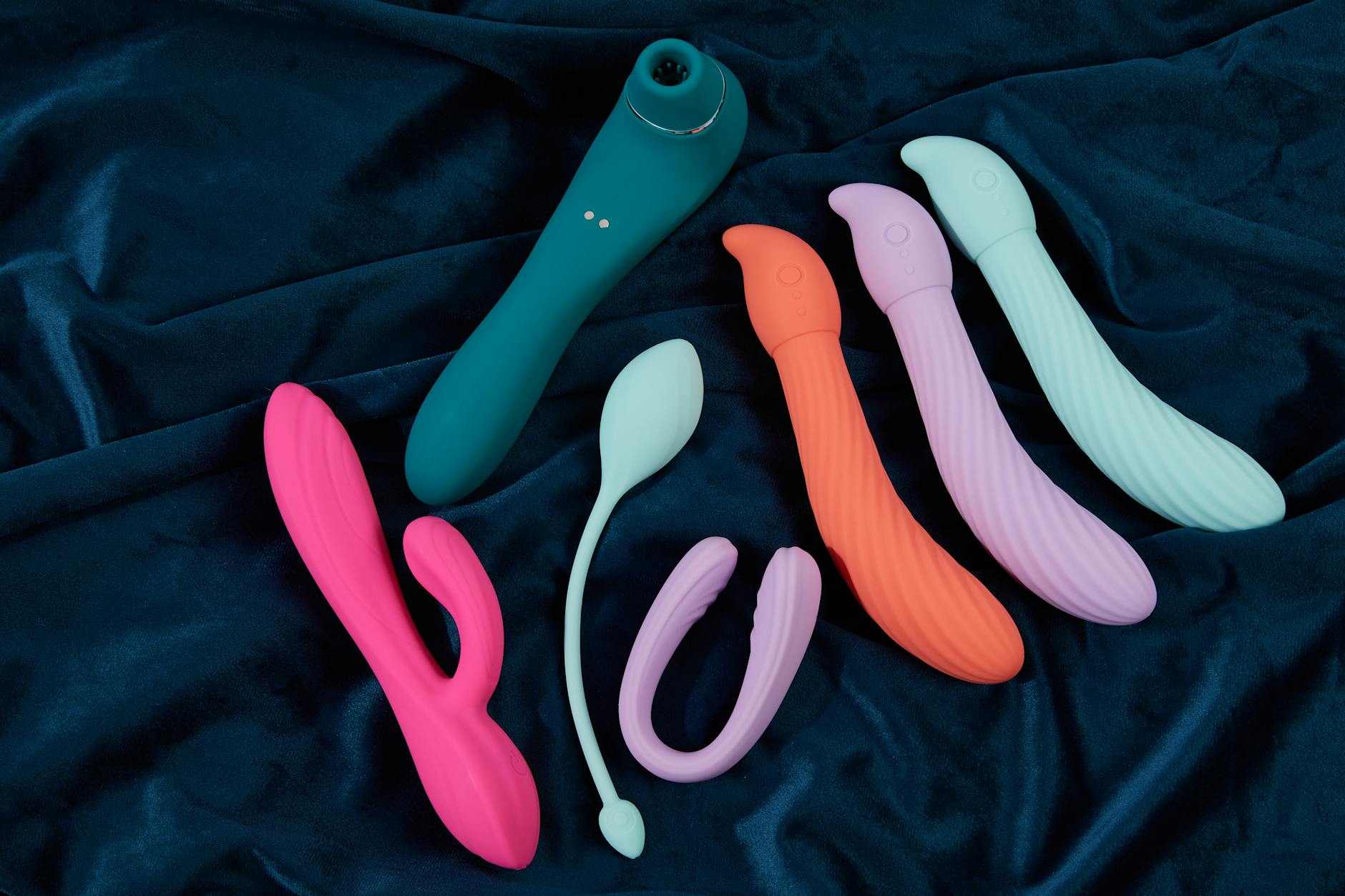
Photo by IFONNX Toys on Pexels
The psychological relief that compounds the physical benefit
When penetration hurts, your nervous system learns that sexual touch equals pain. That association becomes automatic. Your pelvic floor contracts before your brain even consciously registers what's happening. You've developed what therapists call a "protective pattern."
One of the ways we interrupt that pattern is through pleasure that doesn't trigger the pain response. Clitoral pleasure via suction doesn't activate the same alarm bells. You can feel good, feel safe, and experience orgasm without the anticipatory tension. Over time, your nervous system begins to recalibrate. Pleasure stops being a threat.
That's not fluffy psychology. That's how nervous system rewiring actually works. And it's why a lemon clitoral vibrator often feels gentler and safer than traditional options.
Start slow. Really slow.
Even with the gentler profile of air-suction, vaginismus requires patience. Here's how I recommend approaching it.
First time, use the lowest setting. Not because you're broken, but because your nervous system needs to learn that this sensation is safe. You might only run it for 30 seconds to two minutes. That's fine. You're building a new association. More intense ≠ faster healing.
Second, use lubricant on the outside if it helps. Water-based lube won't interfere with the suction mechanism and can make the sensation feel less intense and more pleasurable. Some people find the additional lubrication helps their nervous system relax.
Third, stop the moment something feels wrong. Not uncomfortable, not just unfamiliar. Wrong. If your pelvic floor is tensing up or pain signals are starting, stop. You're not pushing through vaginismus. You're learning to feel safe in pleasure. Those are opposite directions.
When a lemon clitoral vibrator isn't enough
Sometimes vaginismus has a physical component that needs clinical attention. Pelvic floor physical therapy is not optional if you're dealing with significant muscle tension or pain. A pelvic floor PT can teach you how to actually relax these muscles, not just "try harder" or "relax," which most people already know how to fail at.
Talk to your GP or a pelvic health specialist. Vaginismus is real, treatable, and nothing to be embarrassed about. They deal with this constantly.
If your vaginismus comes from trauma or from years of anxiety around sex, you might also benefit from working with a sex therapist or a trauma-informed therapist. A lemon vibrator is a tool, not a cure. It works best alongside proper care.
The role of your partner in this equation
If you're in a relationship, your partner's role matters. They need to understand that vaginismus isn't rejection. It isn't about them. It's a protective reflex. And it's one you can work through together, but not by pushing.
Many couples find that incorporating a lemon clitoral vibrator actually bridges the gap. It gives your partner a way to participate in your pleasure without triggering penetration pain. It recentralizes pleasure in the relationship without the loaded expectation of penetration.
Talk about it beforehand. Explain what air-suction feels like and why it might feel safer than penetration. Let them watch. Let them be part of rediscovering what pleasure feels like for you.
The orgasms might surprise you
Here's something I hear over and over from people using lemon vibrators for vaginismus recovery. The orgasms feel different. Sometimes deeper. Sometimes more concentrated. Sometimes more full-body.
Part of that is simply the relief. When your nervous system isn't braced for pain, pleasure travels further. The signals get through cleanly instead of being dampened by tension. You might experience clitoral sensation you've never felt before because you've never been relaxed enough to feel it.
That can feel strange at first. Welcome the strangeness. It's your body telling you it's safe.
People also ask
Does a lemon vibrator work for everyone with vaginismus?
No. Some people with vaginismus find suction helpful immediately. Others need pelvic floor physical therapy first. Some need both. Vaginismus varies widely in cause and severity. What works for one person might not work for another. The good news is that if suction doesn't feel right, there are other approaches. Work with a pelvic health specialist to find what actually works for your body.
Can you use a lemon clitoral vibrator during pelvic floor physical therapy?
Yes, and many pelvic floor PTs actually recommend it. Just check with your specific therapist about timing and settings. Some therapists want you to wait a few sessions before introducing new sensations. Others think suction-based stimulation is gentler than vibration and incorporate it early. The key is communication with your care team.
How long does it take to see improvement with a lemon vibrator and vaginismus?
Every person's timeline is different. Some people feel a significant shift in two to three weeks of consistent use. Others take months. Vaginismus recovery is rarely linear. You might have weeks where things feel easier, then weeks where tension returns. That's normal. Keep going. The pattern usually moves toward improvement over time.
Will using a lemon vibrator eventually help with penetration?
Maybe. It depends on whether your vaginismus is purely protective (your body bracing against the idea of penetration) or whether there's a physical component like shortened vaginal tissue or pelvic floor shortening. Suction-based clitoral pleasure can help your nervous system feel safer, which sometimes translates to easier penetration. But it's not a direct treatment. Pelvic floor therapy is usually needed for actual penetration to become pain-free.
Is it normal if a lemon vibrator makes pelvic floor tension worse at first?
Yes. Your nervous system might interpret any new sensation as a potential threat initially. Try lower settings, shorter sessions, and lots of lubricant. If tension continues to worsen over multiple sessions, stop and talk to a pelvic health specialist. Sometimes the issue isn't the tool. It's that your body needs professional guidance before introducing any new stimulation.
Can you get vaginismus from using vibrators?
No. Vibrators don't cause vaginismus. Vaginismus comes from protective responses to pain, penetration anxiety, trauma, or physical factors like pelvic floor tension. A vibrator can't create that reflex. If you notice new tension developing around sexual touch, that's usually a sign something else is going on. Talk to a doctor or therapist.
The bottom line
Vaginismus steals more than penetration. It steals the feeling that your body is safe in pleasure. A lemon clitoral vibrator, used gently and with patience, can be the first real pleasure experience after months or years of pain. It's not the whole solution. But it's often the first step toward reclaiming your sexuality on your own terms.
Your nervous system can heal. Your pleasure matters. And you deserve tools that work with your body, not against it.