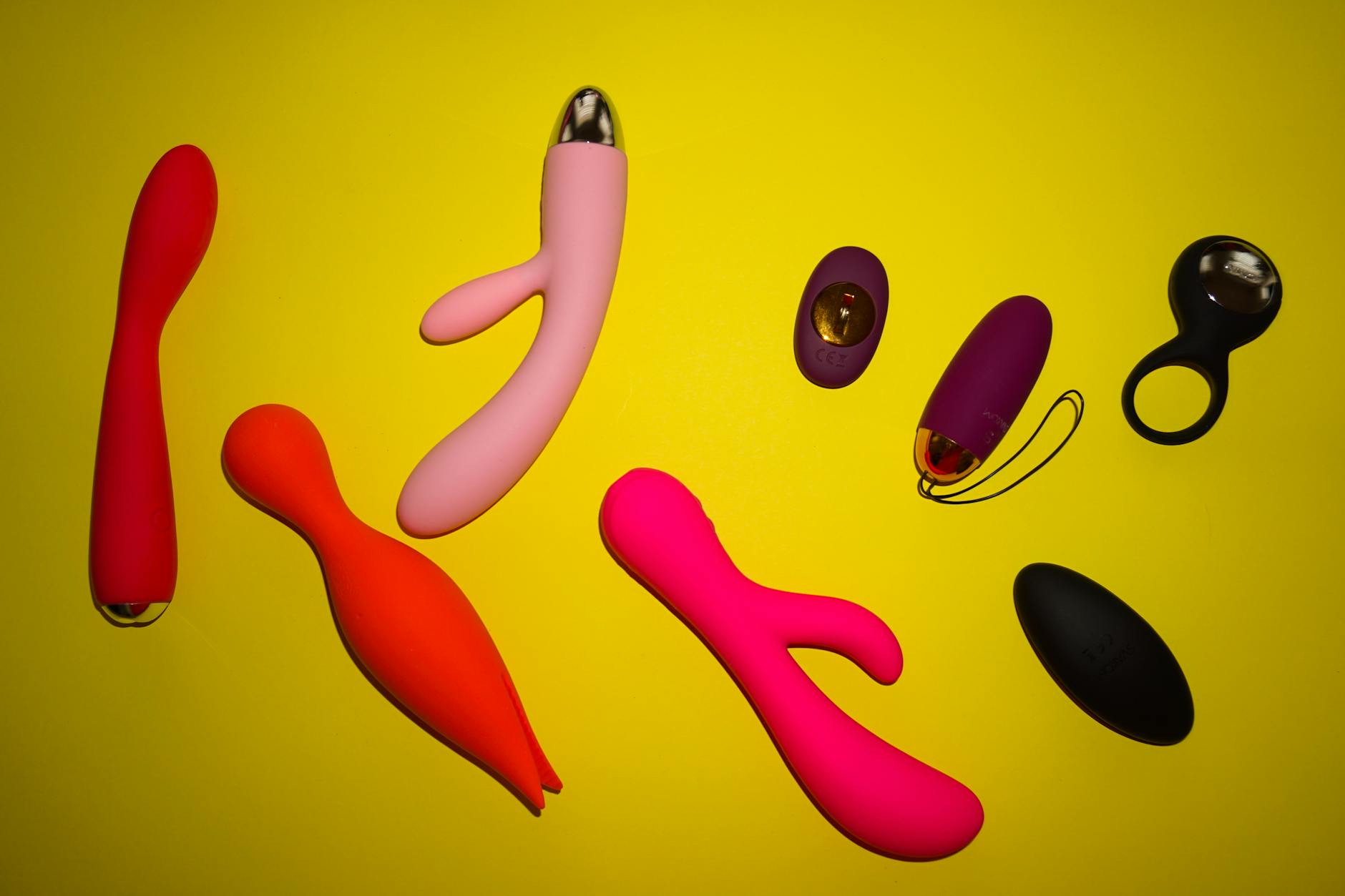
Why Lemon Vibrators Feel Different After Childbirth: A Recovery Guide
Let's be real. Nobody warns you that your vulva might feel like someone else's after you have a baby. Vaginal or cesarean, the postpartum body is fundamentally altered in ways that directly affect how stimulation feels, how quickly arousal builds, and which tools actually work with your body instead of against it.
Here's what I see in my practice: people return to sexual pleasure after childbirth, but they often try the same toys that worked before and feel confused when the experience is completely different. It's not you. It's not broken. Your tissue, nerve sensitivity, and recovery timeline have changed.
And lemon clitoral vibrators work differently in postpartum bodies than traditional designs. Let's walk through why.
What actually changes in your postpartum body
The postpartum vulva is temporarily bruised, swollen, and sore, even if you didn't tear during delivery. Cesarean birth doesn't protect you from this. The hormone shift is dramatic. Estrogen plummets after birth, which means tissue thinning happens fast if you're breastfeeding, and happens more gradually if you're not.
The pelvic floor is either recovering from stretching or from the surgical trauma of cesarean birth. Either way, nerve endings are overstimulated or temporarily dulled. Penetration might feel different. The angle that always worked might not. Sensation might feel muted, or weirdly heightened in unpredictable spots.
Then there's the mental piece. Your body just did something extraordinary, and you're probably exhausted. Touched out. Running on interrupted sleep and a nervous system that's alternating between hypervigilance and shutdown. Some people have zero interest in touch for months. Others have bursts of desire that surprise them.
All of this is normal.
Why lemon vibrators adapt to postpartum sensation differently
The lemon clitoral vibrator works through gentle suction and pulsing rather than direct vibration. This matters postpartum for a specific reason: your tissue is more sensitive, not because it's healed, but because it's actively healing. Overstimulation from intense vibration can actually extend recovery, or create unexpected soreness.
The suction design of a lemon vibrator creates a gentle seal that stimulates without aggressive friction. It's particularly useful in those first months when direct contact feels too intense or when you're unsure what sensation your body is ready for. You can build intensity gradually without the feeling of a jackhammer against healing tissue.
Traditional vibrators—especially the ones with high-frequency patterns—can feel overwhelming on postpartum vulvas. The lemon sucker approach allows you to explore what feels good without diving straight into intense patterns.
That said, some people find suction triggers discomfort if they've experienced significant tissue trauma. If that's you, lower-intensity vibration might actually feel better. The point is that lemon vibrators give you a different option when standard designs don't cooperate with your healing.
The timeline: when sensation actually returns
Most healthcare providers clear you for sex at six weeks postpartum. That's not when sensation returns. That's the arbitrary benchmark where bleeding has stopped and obvious wounds are sealed.
Here's the actual timeline I see:
Weeks 1-3. Don't touch anything. Your body is in triage mode. This is not the time to explore pleasure. Rest and recovery are the priority.
Weeks 4-8. Some people feel a faint sense of arousal returning. Many don't. Both are fine. If you want to explore sensation, it should be incredibly gentle—maybe your partner's fingers, maybe your own hands, nothing with batteries yet.
Months 3-4. Sensation typically becomes more predictable. If you're breastfeeding, hormones are still suppressing libido, but the vulva itself is usually less acutely painful. This is when many people are ready to reintroduce toys.
Months 5-6 and beyond. Confidence returns. Most people report that sensation feels relatively normal by six months, though some people—especially those who breastfed—don't regain full sensation until 12 months postpartum or later.
If you're still experiencing sharp pain, numbness, or intense discomfort at four months, that's worth mentioning to your doctor. Sometimes scar tissue needs attention.
How to reintroduce the lemon vibrator postpartum
Start with settings 1 or 2, not because you're being cautious, but because your tissue genuinely can't handle setting 5 right now. The sensitivity isn't a weakness—it's a sign that healing is active.
Use lubricant. Even if you never needed it before, use it now. The postpartum vulva is drier due to hormones, and friction that would have felt fine before will feel irritating. Water-based lube is your friend. It's messy, but it matters.
Plan for longer warm-up time. Twenty or thirty minutes of gentle touch before anything with suction. Your body has been in survival mode. Arousal might take real time to build. That's not a problem—it's an invitation to slow down.
Stop if anything hurts. Not discomfort, not intensity that surprises you. Pain. Sharp pain is information. Your body is saying "not yet." Listen to it.
If you're partnered, communicate clearly about what you're doing and why. Say it out loud: "I'm exploring what my body can handle right now. This isn't about you. I might discover I want something different than before, and that's okay." This prevents the spiral where your partner thinks they've done something wrong, and you feel pressure to want what you used to want.
The emotional reality nobody talks about
Your relationship with pleasure might have fundamentally shifted. Some people feel disconnected from their body postpartum and need time to rebuild that connection. Others feel intensely alive. Some feel both, sometimes in the same week.
There's also guilt. Guilt that you don't want sex yet. Guilt that you do want it but your partner doesn't. Guilt about using a toy when maybe you "should" just want your partner's touch. Guilt that your body doesn't feel like your own.
I work with couples on this frequently. The guilt dissolves fastest when you name it directly. "I feel weird about my body right now" is a complete sentence. You don't need to fix it. You need to say it.
If you're solo, the exploration can actually feel less pressured. You're not managing anyone else's expectations. You're just figuring out what your body is ready for. That permission matters.
When to see someone
If you're experiencing persistent pelvic pain, numbness, or intense discomfort beyond three months postpartum, see a pelvic floor physical therapist. Not your GP. A pelvic floor specialist. They can identify scar tissue, nerve compression, or pelvic floor dysfunction that's preventing sensation from returning.
If you want to explore pleasure again but feel completely stuck in shutdown mode at six months or beyond, that's worth talking to a therapist about. Postpartum depression and postpartum anxiety both suppress desire. They're treatable.
And if you're in a relationship where you want to reconnect sexually but feel miles apart, couples counseling focused on postpartum transitions can genuinely change the conversation. You don't have to white-knuckle your way back to before.
The thing I want you to know
Your body after childbirth is not a broken version of your body before. It's a different body. Some sensations will return exactly as they were. Some will feel new. Some might feel better than before, and some might feel muted. All of that is postpartum, not permanent.
The lemon vibrator exists partly because postpartum bodies need different approaches to pleasure. You're not settling by choosing suction over intense vibration. You're working with your body's actual needs right now.
Pleasure will return. The timeline is not twelve weeks. The timeline is yours.
People also ask
When is it safe to use a lemon vibrator after childbirth?
Most healthcare providers clear penetrative sex at six weeks postpartum, assuming no significant complications. External stimulation with a lemon clitoral vibrator can happen earlier for some people if it feels good—maybe month two or three. But "safe" and "comfortable" are different things. You can be medically cleared and still not be ready. The lemon vibrator is gentler than penetration, but only use it when your body feels ready, not on a timeline.
Will using a lemon vibrator slow down my postpartum healing?
Not if you're using it gently and not forcing sensation. The key is starting at low intensity and stopping if anything hurts. If you're experiencing sharp pain, bleeding, or increased discharge after using it, pause and check in with your doctor. For most people, gentle stimulation doesn't interfere with healing.
What if my partner wants sex before I do postpartum?
This is incredibly common and also incredibly hard to navigate. The conversation that helps is separating two different problems: "My body isn't ready" and "I feel disconnected from you." One is about recovery. One is about your relationship. They need different solutions. If you want support with this conversation, couples counseling focused on postpartum transitions can help you both feel heard.
Does breastfeeding affect how the lemon vibrator feels?
Yes. Breastfeeding suppresses estrogen, which means tissue stays thinner and drier longer. If you're breastfeeding and everything feels different, you're not imagining it. The lemon vibrator's gentler approach can feel more comfortable than traditional vibrators in this hormonal state. Sensation typically normalizes once you stop breastfeeding, though timelines vary wildly.
Can I use lemon vibrators if I had a cesarean birth?
Absolutely. You're healing from major abdominal surgery, which affects your nervous system and pelvic floor differently than vaginal recovery, but the postpartum vulva still shifts hormonally and sensitively. Some cesarean-born people return to pleasure faster because there's no vaginal trauma. Some take longer because the whole-body recovery is more intensive. A lemon vibrator works the same way regardless of your birth method.
What if nothing feels good for months?
That's worth mentioning to a pelvic floor physical therapist or your OB. Sometimes scar tissue, nerve compression, or pelvic floor dysfunction needs specialized attention. Postpartum depression and postpartum anxiety also suppress arousal and pleasure sensation—if nothing feels good and nothing feels worth doing, that's important information to share with someone who can help.