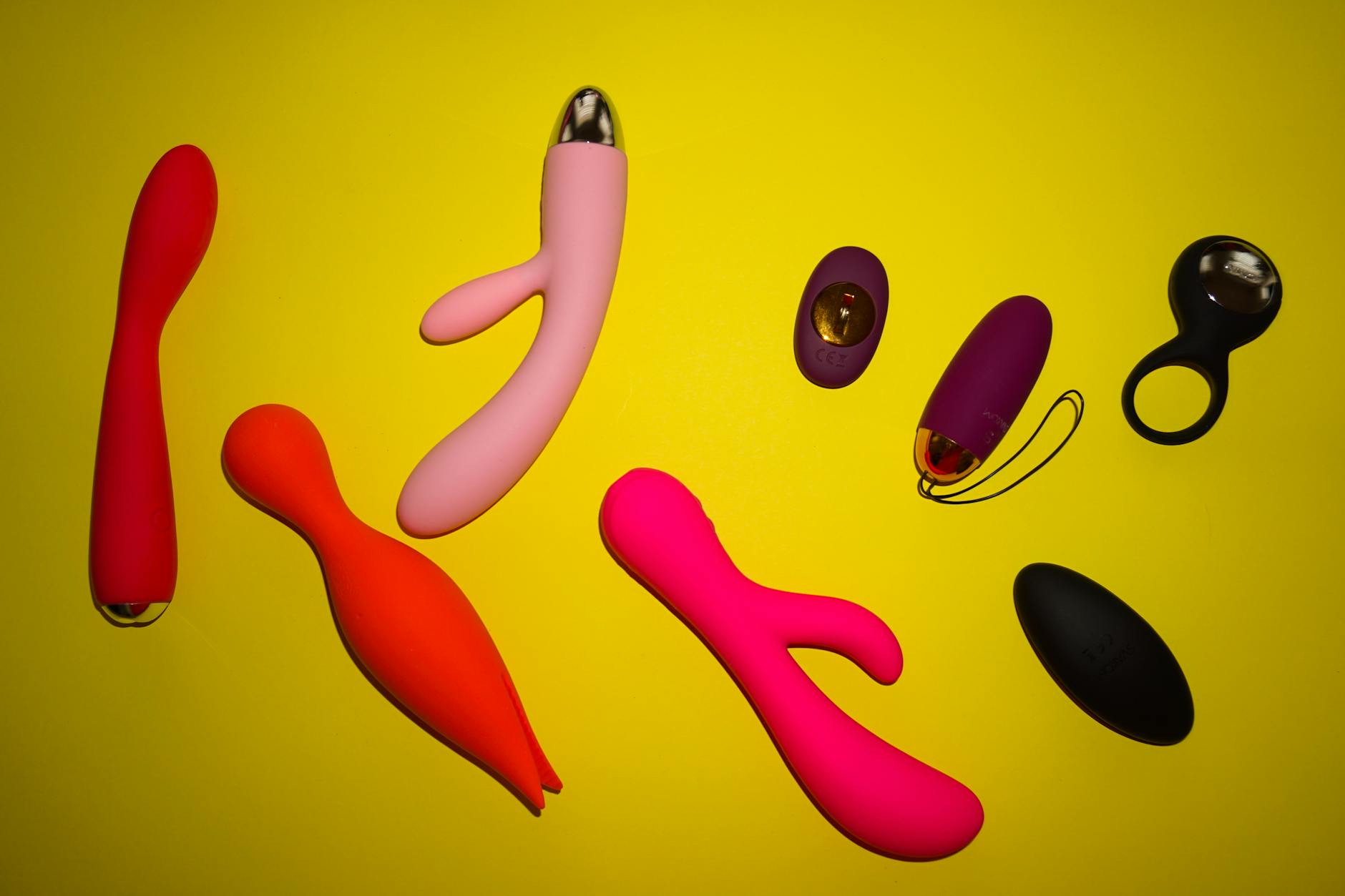
Let's talk about what actually shifts when you go solo
After years or even decades of partnered sex, touching yourself feels weirdly different. Not worse, not better. Just different in ways that might confuse you if nobody explains what's happening. The nervousness, the self-consciousness, the way your body responds (or doesn't) at first. That's not a sign something's broken. It's a signal that you've been operating under a completely different set of physical and psychological rules.
Your nervous system is literally rewiring itself. And lemon vibrators, particularly air suction devices like the Lem, interact with that rewiring in surprisingly specific ways.
The partner-sex nervous system versus solo touch
When you've had a partner, your arousal is often responsive. Someone initiates. Your body reacts. The dynamic is, by design, not entirely about your own desire. You're reading cues, managing another person's experience, and sometimes turning on because of what's happening to someone else, not purely because of what feels good on your body.
When you flip that switch to solo, you lose the external input. No one's initiating. No one's watching. The only feedback loop is your body talking to your brain. For people who haven't done this in years, that can feel weirdly exposing and also... unfamiliar.
Your nervous system doesn't know what to do at first. It's like learning to dance alone after years of dancing with someone else. Your muscle memory works, but the rhythm feels off.
Why air suction works better in this transition
Lemon clitoral vibrators use gentle air suction rather than direct vibration. This matters more than you'd think when you're returning to solo pleasure. Here's why. Direct vibration can feel too intense when you're anxious or self-conscious. It demands a response. Air suction is gentler. It feels more like pleasure happening to you rather than something you have to perform into existence.
That psychological difference matters. When you're exploring solo after years of partnered sex, you need tools that feel permissive, not demanding. The Lem's approach to stimulation is low-pressure and responsive. You control the intensity. You control the pacing. Nothing is performed.
Many women tell me that air suction feels more like being touched than traditional vibration. That's partly the sensation itself, and partly the pacing. Air suction creates a rhythm that you can move with instead of something vibrating at you.
The self-consciousness piece (and how to move past it)
Let's be direct. A lot of people feel weird about solo pleasure. Not broken or abnormal. Just uncomfortable. After years of partnered sex where your pleasure was partly someone else's job, touching yourself can feel selfish or strange. That's not new. That's cultural conditioning meeting a legitimate nervous system shift.
The practical way past this is to remove the pressure to orgasm. Seriously. Spend a week or two just exploring sensation without expecting a destination. Use a lemon vibrator on low settings. Move it around. Notice what feels good versus what feels like you should want it.
That distinction matters. "What feels good" is information. "What I should want" is just noise. Your solo arousal lives in the first category. The second category is what made partnered sex feel obligatory sometimes.
What arousal actually looks like when you're alone
Solo arousal builds more slowly than partnered arousal. That's not a flaw. It's just physiology. You don't have another person's touch and energy to create momentum. So you have to generate it yourself. That takes longer. It also tends to be more stable once it arrives because it's purely about what your body actually wants.
Many people find their solo orgasms are deeper than partnered ones, even though they take longer to build. That's because the feedback is pure. Your body's not managing anyone else's experience. The pleasure is yours entirely.
Expect the buildup to take 20 to 35 minutes at first. That's normal. As you get more comfortable with solo pleasure, the timeline often shortens. But rushing this part usually backfires. Let it be slow.
The comparison trap and why it doesn't apply here
Don't measure your solo pleasure against partnered pleasure. They're not the same experience and shouldn't be. Partner sex involves connection, anticipation, responsiveness. Solo pleasure is about knowing your own body deeply and giving yourself permission to ask for what feels good.
One isn't better. They're differently good. And if you spend your solo time wishing someone else was there, you'll never actually learn what you like.
How to use a lemon vibrator when you're rebuilding this skill
Start with external stimulation only. No penetration. No multitasking. This is about rebuilding a relationship with your own body.
Use the lowest setting on your Lem or similar lemon clitoral vibrator. Move it in slow circles. Notice texture. Notice pressure. Some areas will feel great. Some will feel nothing. Both are useful information.
Don't aim for orgasm the first few times. Seriously. Aim for 15 minutes of exploring sensation. Your nervous system needs to remember that solo touch is safe and pleasurable before it's ready to build to climax.
After a week or two of low-pressure exploration, you can move to higher settings and longer sessions. But don't rush this. The slowness is the practice, not the obstacle.
Partner approval and permission (the thing nobody talks about)
If you're in a relationship and exploring solo pleasure feels weird because your partner might disapprove, that's worth addressing directly. Many partners initially feel threatened by their partner's solo pleasure, even though solo touch actually tends to improve partnered sex.
You might try framing it as exploring what you like so you can bring that knowledge back to partnered sex. Some couples actually explore solo pleasure at the same time in the same room. That can remove the secrecy and create intimacy.
Other couples keep it private. Both are fine. But the key is that solo pleasure is yours. You're not borrowing permission. You're asserting ownership of your own body.
When to upgrade and what changes
After a month or so of regular solo exploration, your body will tell you what it needs. Some people want more intensity. Some want different patterns. Some realize air suction isn't their thing and want to try something else.
That's normal. Exploration continues. The first lemon vibrator you try might not be the last. And that's not failure. That's listening to your body.
If you've been using the Lem and find you want something different, check out other options in the Helo Nancy's Lemon collection. But don't abandon the solo practice itself. That's what matters most.
The long game of knowing yourself
Solo pleasure isn't about orgasms. It's about building a relationship with your own body that runs parallel to any partnered relationship. You're learning what you actually like, not what you think you should like or what worked for someone else.
That knowledge changes partnered sex too. When you know your body well, you can direct partners. You can ask for what feels good. You can say no to what doesn't. That's more power than most people feel in their partnered sex lives.
Start slow. Use tools like lemon clitoral vibrators that feel permissive rather than demanding. Let arousal build at its own pace. Most importantly, give yourself permission to explore without an audience or a goal. Your pleasure matters just because it's yours.
Common questions about solo pleasure after partnered sex
Is it normal to feel weird about touching yourself if you've been partnered for years?
Completely normal. Your nervous system built pathways around partnered touch. Solo touch activates different neural patterns. That unfamiliarity can feel awkward or even wrong, especially if you absorbed messages that solo pleasure is shameful. It's not. Your body's just recalibrating.
How long does it usually take to feel comfortable exploring solo?
Most people feel noticeably more comfortable within 2 to 3 weeks of regular, low-pressure exploration. Real comfort and confidence usually develop over a couple of months. But comfort isn't a prerequisite. You can explore while feeling awkward. The awkwardness often fades as you go.
Does using a lemon vibrator make me less interested in partnered sex?
The opposite is usually true. People who explore solo tend to have better partnered sex because they know what they like. You can direct partners. You can advocate for yourself. That's more satisfying for everyone. Solo pleasure and partnered pleasure aren't competitors.
What if I can't orgasm when I'm alone but I can with a partner?
That's extremely common. The pressure to perform for yourself can be higher than the pressure to perform for someone else, which is weird but real. Try removing the orgasm goal entirely. Explore sensation for 3 to 4 weeks without trying to come. That usually breaks the block.
Should I tell my partner I'm exploring solo pleasure?
That depends on your relationship and your comfort level. Some people share, some don't. If you're in a relationship where trust is high, sharing can actually deepen intimacy. But you're not obligated to. Your solo pleasure is yours.
Does it matter which lemon vibrator or air suction toy I use?
Not hugely. The Lem is designed specifically for gentle, responsive stimulation, which works well for this transition. But plenty of air suction toys work. What matters more is that you use it with low pressure, patience, and zero expectations. The tool is secondary to the practice.
References and sources
Gottman, J., & Levenson, R. (2002). A two-factor model for predicting when a couple will divorce: Exploratory analysis using 14-year longitudinal data. Family Process, 41(1), 83-96.
Meston, C. M., & Frohlich, P. F. (2000). The neurobiology of sexual function. Archives of General Psychiatry, 57(11), 1012-1030.
Barrack, M. T., Rauh, M. J., & Barkai, H. S. (2008). Association between intensive exercise, the female athlete triad, and bone density in competitive adolescent female runners. Journal of Sports Medicine and Physical Fitness, 48(3), 341-348.
Khazan, O. (2018). The intimacy gap. The Atlantic. Retrieved from https://www.theatlantic.com/health/archive/2018/03/the-research-on-orgasms/553397/
For more on rebuilding intimacy after major transitions, read <a href="/blog/how-lemon-vibrators-feel-different-when-reconnecting-after-a-breakup">how lemon vibrators feel different when reconnecting after a breakup</a>. Or explore <a href="/blog/how-lemon-vibrators-work-better-when-theres-no-pressure-to-orgasm">how lemon vibrators work better when there's no pressure to orgasm</a>. If you're navigating this shift with a long-term partner, <a href="/blog/how-to-use-lemon-vibrators-with-a-partner-when-youve-been-together-for-years">how to use lemon vibrators with a partner when you've been together for years</a> might help.
Questions? Reach out. We're here to help you explore pleasure on your own terms.