Let's talk about what actually happens after divorce
Divorce rewires your nervous system. Your body has spent years responding to one person's touch, one particular rhythm, one familiar pattern of initiation and response. Then suddenly, that's gone. When you start over with someone new, your nervous system doesn't know what to expect. It's alert, sometimes defensive, sometimes flooded with adrenaline. Pleasure becomes complicated because safety feels complicated.
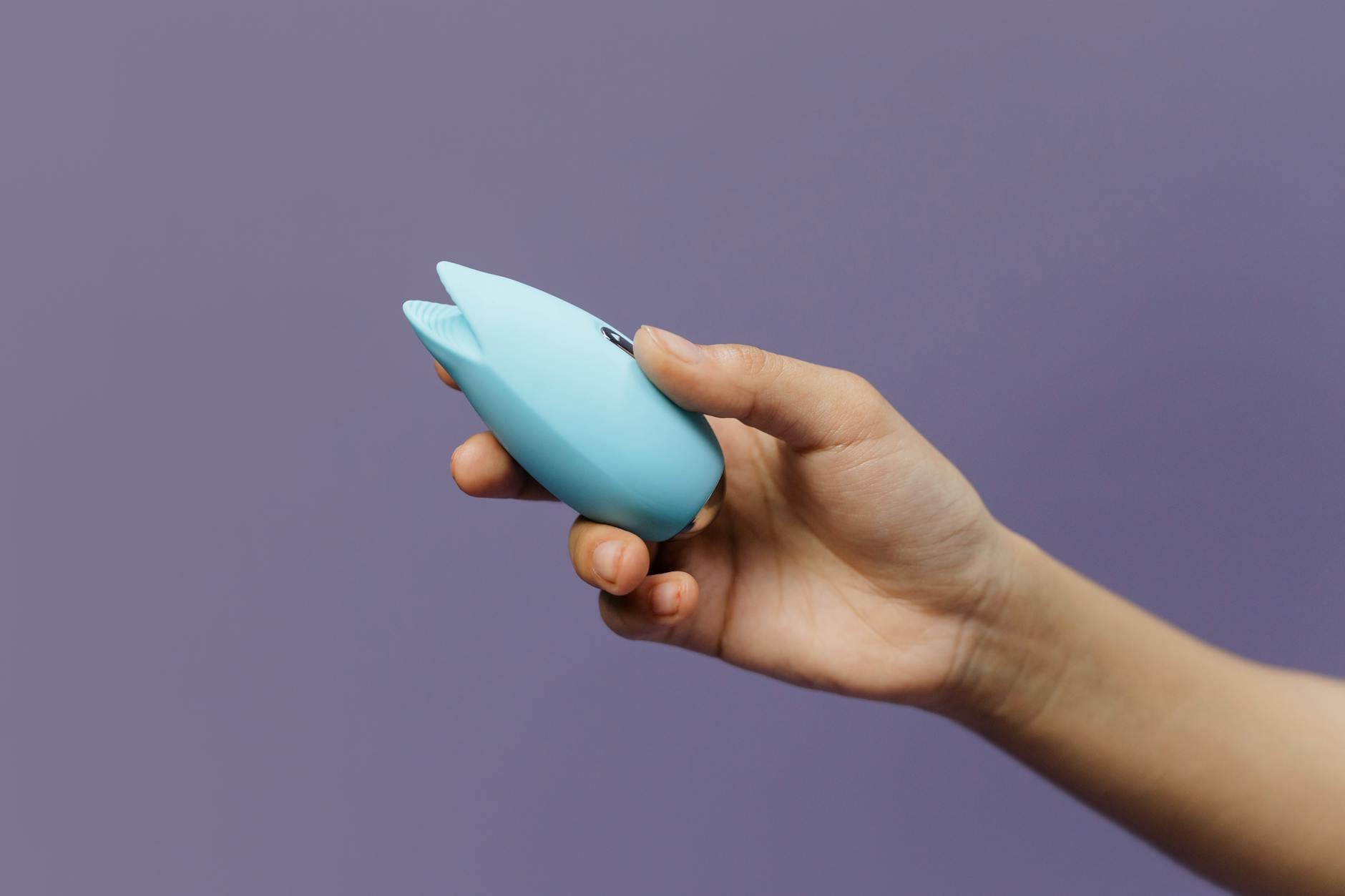
Lemon vibrators, especially air-suction toys like the Lem, amplify this. They work by stimulating nerves with suction and pattern rather than direct friction. That means they're intensely responsive to your actual state of arousal and relaxation. If your nervous system is still partly in protect mode, you'll feel it immediately.
The nervous system piece nobody mentions
Your clitoris has roughly 8,000 nerve endings. When you're calm and connected, those nerves fire in a coordinated way. When you're anxious or grieving (and post-divorce, you're probably doing both), those nerves get noise. Your body might feel numb, oversensitive, or weirdly disconnected from pleasure even when you want to feel it.
With a new partner, you're relearning safety. That takes time. A lemon clitoral vibrator doesn't care about your timeline. It just responds to your physiology. So if your nervous system is sending mixed signals, the toy will feel confusing, too intense, or completely underwhelming. That's not a toy problem. It's a nervous system problem that happens to show up through the toy.
The good news: this is fixable, and it usually gets easier within weeks or months, not years.
What changes physically with a new touch
Three things happen when you're with someone new after a long relationship ends.
First, arousal pathways shift. You learned to respond to your ex partner's specific cues. A new partner has different hands, a different voice, different timing. Your body has to relearn the basic patterns of arousal. This isn't about attraction. It's about neural pathways. You literally have to write new code in your nervous system.
Second, vulnerability feels risky. Even if intellectually you trust your new partner, your body might not yet. Vulnerability and arousal are linked. It's hard to have strong orgasms when part of you is still guarding. A lemon sucker or lem vibrator works by inviting deep relaxation and surrender. If you're not there yet, the toy just highlights how much tension you're holding.
Third, comparison sneaks in. You might notice the new partner touches you differently, asks for things differently, responds differently. Your brain is doing data comparison automatically. Some of those comparisons feel good. Some feel like loss. That split attention kills arousal faster than anything.
Why the Lem feels different with someone new
Air-suction lemon vibrators are feedback loops. They respond to your body's actual state of arousal. Early arousal gives you less stimulation. High arousal gives you more. This is brilliant when you're calm and connected. It's confusing when you're processing grief, trust issues, and the vulnerability of starting over.
You might feel the Lem's intensity as too much when you're not fully relaxed. You might feel it as not enough when you're intellectually aroused but your body isn't there yet. You might feel stuck on a particular pattern and unable to climax, which is actually super common early in new relationships.
Here's what's happening: your brain is ready before your nervous system is. The toy just shows you that gap.
The emotional layer that matters more than the physical one
Divorce is a loss. Even if it was the right choice, your body grieves. Your identity shifts. You've lost a sexual history with this person, predictability, and a certain kind of belonging. When you start with someone new, you're not just learning new pleasure patterns. You're learning a whole new way of being intimate while still processing the old one.
Many people report that pleasure feels guilty. Like you're supposed to feel sad still. Or that enjoying sex with someone new means you're betraying your marriage or saying it never mattered. That's normal, and it's heavy to carry into a new intimate connection.
If you're using a lemon vibrator with a partner and it feels weird, sometimes it's worth asking yourself: what am I actually feeling right now? Am I aroused? Nervous? Grieving? Excited and scared at the same time? Name it. Your body will relax faster when your brain stops pretending everything is just fine.
Practical adjustments that actually help
Four things I recommend to clients rebuilding intimacy after divorce:
Start with the toy solo first. Before using the Lem with a partner, spend a few sessions with it alone. Let your nervous system remember what pleasure feels like without the added variable of another person's presence. This rewires safety around arousal.
Talk about it beforehand, not during. Tell your partner: "I want to try this with you. I might feel awkward or overwhelmed. That's not about you. I might need to pause or go slower." That conversation takes pressure off the moment.
Begin at the lowest intensity. Don't jump to patterns 3 or 4. Start at pattern 1 and let your body tell you when it's ready to move up. With a new partner, patience is arousal.
Build in a pause, not a rush. After using the toy, pause before sex or other activity. Let your body transition. Let your nervous system settle. That 5-10 minute pause actually deepens connection because it gives your partner time to check in, and you time to integrate what just happened.
When nervousness is telling you something real
If the lemon vibrator consistently feels uncomfortable or you can't climax even when you're alone with it, that's worth exploring. Sometimes it means your nervous system needs more time. Sometimes it means the toy isn't the right fit for your body. Sometimes it means there's something unresolved about the new relationship that needs conversation.
Trust that signal. Your body is smart. It's not broken. It's just communicating.
If the new partner feels impatient with your process or pushes for intensity before you're ready, that's information too. Good partners understand that post-divorce intimacy takes time. They're willing to go slow. They ask questions. They don't treat toys as a workaround for emotional connection.
The timeline is shorter than you think
Most people find that within 4-8 weeks of regular, patient exploration with a new partner, their nervous system starts to relax. The lemon vibrator that felt too much or too little starts to feel just right. Arousal comes faster. Orgasms feel more accessible. This isn't because the toy changed. It's because your nervous system rewired safety.
Divorce doesn't disqualify you from pleasure. It just means your body needs a grace period to adjust. Using a lemon clitoral vibrator during that adjustment isn't weakness. It's actually one of the fastest ways to help your nervous system remember what good sensation feels like.
Your pleasure matters. And it doesn't have to feel easy right away.
FAQ
Is it normal for lemon vibrators to feel overwhelming with a new partner?
Completely normal. Your nervous system is still learning to trust. Air-suction toys like the Lem are intense because they're responsive. If you're carrying anxiety or unresolved grief, the toy magnifies that. Try using it solo first, then reintroduce it with your partner once you feel more grounded.
Should I tell my new partner I'm struggling with pleasure after my divorce?
Yes. Keeping it secret makes it harder. A simple conversation like "My body's still adjusting to you. I might need things to go slower," opens the door. Good partners want to know. It helps them understand what you need instead of guessing.
Can lemon vibrators help me feel more connected to a new partner?
They can, but only if your nervous system is ready. If you're using the toy to bypass emotional work, it won't help. If you're using it as part of exploring pleasure together and communicating about what feels good, absolutely. The tool is great. The foundation has to be there first.
How long does it usually take to feel "normal" with pleasure after divorce?
That depends on how long you were married and how much grief you're still carrying. Most people notice real shifts within 2-3 months. Some take longer. There's no timeline you're supposed to hit. Your body will let you know when it's ready.
What if I still can't orgasm with a lemon vibrator even after weeks with a new partner?
That might mean your nervous system needs more time solo before partnered play. It might mean the new relationship is moving faster than your body wants. It might mean you benefit from talking to a therapist about the divorce. It might just mean this particular toy isn't your fit. All of these are fine. Explore them without judgment.
Is using a clitoral vibrator a sign that something's wrong with the new relationship?
No. Using a lemon vibrator is about learning your own pleasure. It's actually a sign you're taking your pleasure seriously enough to explore it. The healthiest couples use toys together and talk about what they want. That's connection, not a warning sign.
What comes next
Starting over after divorce is brave. Your nervous system is reorganizing itself. Your identity is shifting. Your body is learning to trust someone new. A lemon vibrator isn't going to fix that process, but it can be a useful part of it. Go slow. Talk. Listen to what your body actually needs instead of what you think it should need. Trust that pleasure is possible again. Because it is.