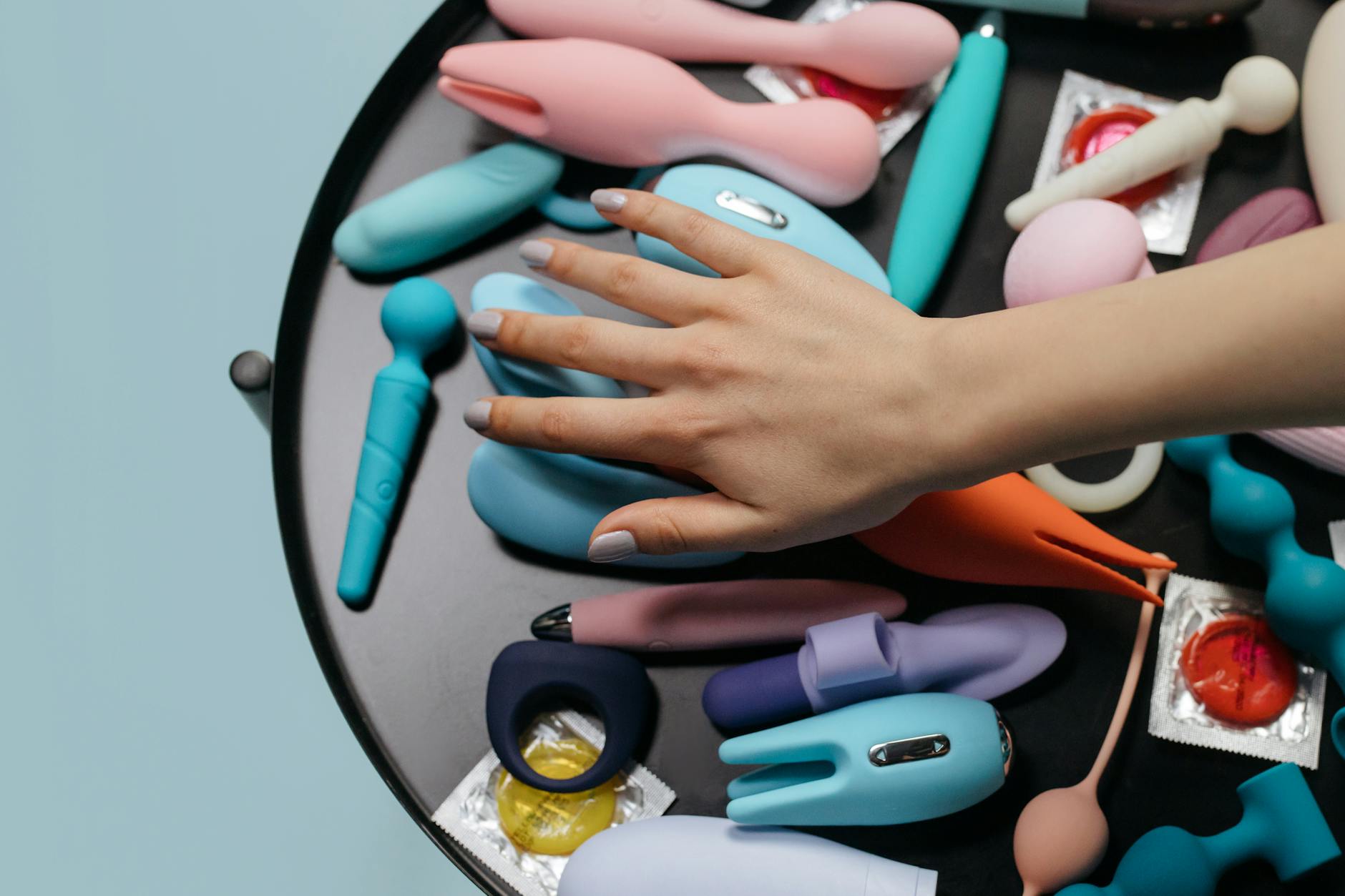
Here's the thing about air suction that nobody warns you about
You unbox a lemon clitoral vibrator. The shape is sleek. The reviews are glowing. You turn it on at level one and think, "Wait. What is that?"
That's suction. It's not a buzz. It's not a rumble. It's a gentle pull that feels almost alien if you've only used traditional vibrators before. Within thirty seconds, half of new users are lowering the intensity. A quarter are turning it off entirely. And the rest are wondering if they got a defective unit.
None of those people are wrong. Your body is just experiencing something genuinely different from what it's wired to expect.
What actually happens when air suction touches skin
Lemon vibrators and similar air-suction toys don't vibrate your tissue. They create micro-suction pulses that pull gently at the outer layer of skin and underlying tissue. This triggers a different set of nerve endings than vibration does.
When you use a traditional vibrator, you're stimulating mechanoreceptors. Think of these as pressure sensors. They respond to back-and-forth movement and send signals up the chain: "Motion detected. Pleasure building."
With suction, you're also engaging Pacinian corpuscles. These nerves live deeper in the skin and respond to rapid pressure changes. A suction toy creates a rhythmic pressure change that feels less like rubbing and more like. Well, like suction. Your nervous system has to interpret a completely novel sensation.
For people who've used clitoral vibrators for years, this is exactly why the first experience feels overwhelming or even uncomfortable. Your body is screaming, "What is this?" because it's asking your nervous system to process something it hasn't catalogued before.
Why you feel like it's too strong when it's actually not
Lemon vibrators are often described as intense. They're not. What they are is unfamiliar.
Intensity is subjective. A pattern 2 on a lemon clitoral vibrator objectively delivers less energy than a midrange buzz on a traditional wand. But the sensation is so different that your brain reads it as stronger. It's the sensory equivalent of someone tapping your arm when you expected them to tap your shoulder. The tap itself isn't harder. Your surprise makes it feel different.
This is why new users instinctively grab the intensity dial and turn it down. They're not being delicate. They're trying to reduce the unfamiliarity. Which almost always backfires, because the lowest settings feel even weirder than the middle ones. A very soft suction pulse on its own feels indistinct. Add a bit more strength, and suddenly the pattern becomes clearer to your nervous system.
The sweet spot for first-timers is usually patterns 2 through 4, not patterns 1 or 2.
The warm-up window that matters more than you think
Let's say you're trying a lemon sucker for the first time. Your instinct might be to go straight there with a dry clitoris and see what happens. Don't.
Your tissue needs to be already responsive before you introduce suction. Spend at least five to ten minutes on regular foreplay or manual stimulation first. Get the blood flowing. Let your body start the early arousal cascade. Your clitoris will swell slightly, the tissue will become more sensitive, and the nerve endings will already be in a heightened state of attention.
Then introduce the lemon vibrator. At that point, your nervous system isn't getting shocked by a completely foreign sensation out of nowhere. It's getting introduced to a new kind of pleasure when it's already primed to receive sensation. The difference is enormous.
Lubricant also helps with this transition. Water-based lube creates a seal that actually enhances the suction sensation. It's not the kind of lube you "need" for suction to work. It's the kind that signals to your brain, "Yes, this is intentional stimulation." It grounds the experience in something familiar.
The positioning mistake that makes it worse
You can absolutely use a lemon clitoral vibrator lying flat on your back. You can also use it sitting up, standing, or basically any position your body finds comfortable. But the angle matters for first-time comfort.
When you're lying completely flat, the toy is pulling at the clitoris almost straight on. For first-time users, a slight angle is actually easier to tolerate. Try positioning yourself so you're slightly angled forward. Legs bent. Maybe a pillow behind your lower back. This changes how the suction pulls and makes the sensation feel less intense while you're getting used to it.
Also, apply the toy slowly. Don't slap it on and turn it on. Move it toward your skin gently. Let the seal form gradually. This gives your nervous system a runway to understand what's happening instead of a sudden shock.
Why the patterns matter more than the power level
Lemon vibrators have multiple patterns in addition to intensity settings. New users often fixate on turning down the power and ignore the patterns. That's backward.
The pattern determines how the suction pulses. Some patterns are continuous suction with rhythmic intensity changes. Others are intermittent pulses. Still others are slow, meditative waves. The pattern you choose affects how your nervous system interprets the sensation far more than simple power level does.
If pattern one feels overwhelming, try pattern three. It might feel totally different. If you're not finding anything that works at intensity level two, try level three with a different pattern. I know that sounds counterintuitive. It works.
Spend time experimenting with patterns at a comfortable intensity before you ever assume the toy itself isn't for you. Most people who say a lemon sucker "doesn't work for them" have actually just been using the wrong pattern.
When the sensation clicks and why it suddenly feels incredible
There's a moment, usually somewhere between the fifth and fifteenth time using an air-suction toy, when something shifts. The sensation stops feeling alien and starts feeling revelatory. Users describe it as the moment the toy "finally works."
What's actually happening is your nervous system is categorizing the sensation. It's filed it away. It's stopped being an unknown stimulus and become a known one. Your brain can now focus on pleasure instead of trying to figure out what you're experiencing.
That moment typically arrives after you've used the toy correctly. Warmed up first. Found a pattern that feels good. Positioned yourself comfortably. Given it time. Once your body recognizes what it's experiencing, air suction often becomes dramatically more pleasurable than traditional vibration. People report stronger, longer orgasms. Deeper satisfaction. A completely different kind of stimulation.
But you have to get past the initial strangeness first. And that takes permission to ease in slowly.
The one thing that actually signals a problem
Feeling overwhelmed is fine. Pain is not.
A lemon clitoral vibrator should never hurt. If you experience sharp pain, persistent discomfort beyond the "this feels weird" stage, or any kind of pinching sensation, stop immediately. This might mean the toy is at an intensity level too high for you. It might mean you need more warm-up. It might mean your pelvic floor is holding tension that needs addressing. It might even mean you need a little guidance on how to use a lemon vibrator when you're dealing with pelvic floor tension.
But pain is never the sensation you're adjusting to. Pain is your body saying, "This isn't working right now."
How to troubleshoot if it still feels wrong after a week
You've tried three patterns. You've done the warm-up. You've used lube. And a week in, it still feels strange or unpleasant. Here are the actual next steps.
First, check whether you're comparing it to your previous toy. If you've spent years with a particular vibrator, your nervous system has optimized for that sensation. A lemon sucker will feel different. That's not a flaw. But if you're actively preferring your old toy and the suction toy feels genuinely worse, that's just a mismatch. Some people don't like air suction. That's completely valid.
Second, make sure you've genuinely tried without urgency. A lot of new users do one or two sessions expecting instant results, don't feel it, and assume it's broken. Give it at least five calm, pressure-free sessions. Seriously.
Third, check your expectations about where you should feel it. A lemon clitoral vibrator stimulates the external clitoris directly. If you're expecting internal vibration or deep rumble, you're barking up the wrong tree. Air suction is external and localized. If that's not your thing, that's fine.
If you've done all that and it's still not landing, reach out. Hello Nancy's team can walk you through specifics. Sometimes it's a technique thing. Sometimes it's genuinely just not the right toy for your body. Both are okay.
FAQ
Why does air suction feel different than regular vibration?
Air suction engages different nerve endings in your skin than traditional vibration does. Vibrators stimulate mechanoreceptors (pressure sensors), while suction also activates Pacinian corpuscles deeper in the tissue. This triggers a completely novel sensation that your nervous system has to interpret from scratch. That's why it feels alien on first try.
Should I use lubricant with a lemon clitoral vibrator?
Yes, water-based lubricant is helpful for first-time use. It creates a better seal for the suction to work and signals to your brain that this is intentional stimulation. More importantly, it helps your body relax into the sensation. Use a lube specifically labeled water-based and avoid silicone lubes, which can damage silicone toys.
How long does it take to get used to a lemon vibrator?
Most people need five to fifteen sessions before the sensation stops feeling strange. This varies wildly depending on your previous toy experience and how much warm-up you do. Some people click with it instantly. Others need consistent, patient exploration over two or three weeks.
Can I use a lemon sucker if I've never used any vibrator before?
Absolutely, though I'd recommend starting with a lower intensity setting and giving yourself permission to ease in slowly. Your nervous system doesn't have any reference point for what vibration should feel like, so air suction won't feel weird by comparison. It might just feel intense. Build up from patterns one through three at moderate intensity, and you'll likely adapt faster than someone switching from traditional vibration.
What intensity level should first-time users start with?
Counterintuitively, not the lowest. Try patterns two through four at moderate intensity rather than pattern one at the lowest setting. Very soft suction feels indistinct. A bit more strength makes the sensation clearer to your nervous system. You can always turn it down, but many new users find that middling intensity actually feels better than minimum.
Is it normal to feel like a lemon vibrator is too strong when the power level is low?
Completely normal. The sensation is so different from what your body expects that your brain reads unfamiliar as intense. This isn't a sign that the toy is too strong for you. It's a sign that the sensation is new. Spend time with it at a comfortable pattern and intensity, and after five or six sessions, you'll likely discover it's not intense at all.
You're not broken. Your nervous system is just learning.
If a lemon clitoral vibrator feels overwhelming at first, that's information. It's not a failure. Your body is doing exactly what it's supposed to do when encountering a novel stimulus. Slow down. Warm up first. Pick a pattern that feels clearer than the minimum. Give it time.
There's often a moment when it clicks. When your nervous system files away the sensation and suddenly the toy feels incredible. That moment is worth the patience it takes to get there.
If you're stuck or want personalized guidance, reach out to the team. We're here to help you find what actually works for your body, not what works for someone else's.
Sources
- International Society for Sexual Medicine. (2023). Clitoral sensation and nerve distribution in genital tissue.
- Komisaruk, B. R., et al. (2006). The orgasm answer guide. Johns Hopkins University Press.
- Whipple, B., & Komisaruk, B. R. (2002). Brain (PET) responses to locus-specific stimulation of the vagus nerve. The Journal of Sexual and Marital Therapy, 28(1), 79-86.