Does a Lemon Vibrator Feel Different With a Partner vs Solo?
Here's the thing: yes, it does. Not better or worse. Just different in ways that matter.
When you're using a lemon vibrator alone, you're completely in charge of timing, pressure, and when to speed up or back off. When your partner is involved, something shifts. Suddenly there's another person's hands, attention, and rhythm in the mix. The sensation stays the same. The experience transforms.
The solo experience: freedom and pressure
Solo play with a lemon vibrator is about total autonomy. You control the intensity from the jump. If you want to start at pattern one and gradually work up, you do. If you want to go straight to pattern four, there's zero judgment and zero negotiation. That freedom changes how your body responds.
Without a partner watching, many people report feeling less self-conscious about what they want and how long it takes to get there. Mental ease matters. When your brain isn't running a parallel track of "Is this taking too long?" or "Am I being quiet enough?" your body can actually settle into sensation.
The lemon vibrator's air-suction design works beautifully here because it gives you consistent feedback. You can feel exactly what each pattern does. You learn your own body faster when you're not managing someone else's expectations.
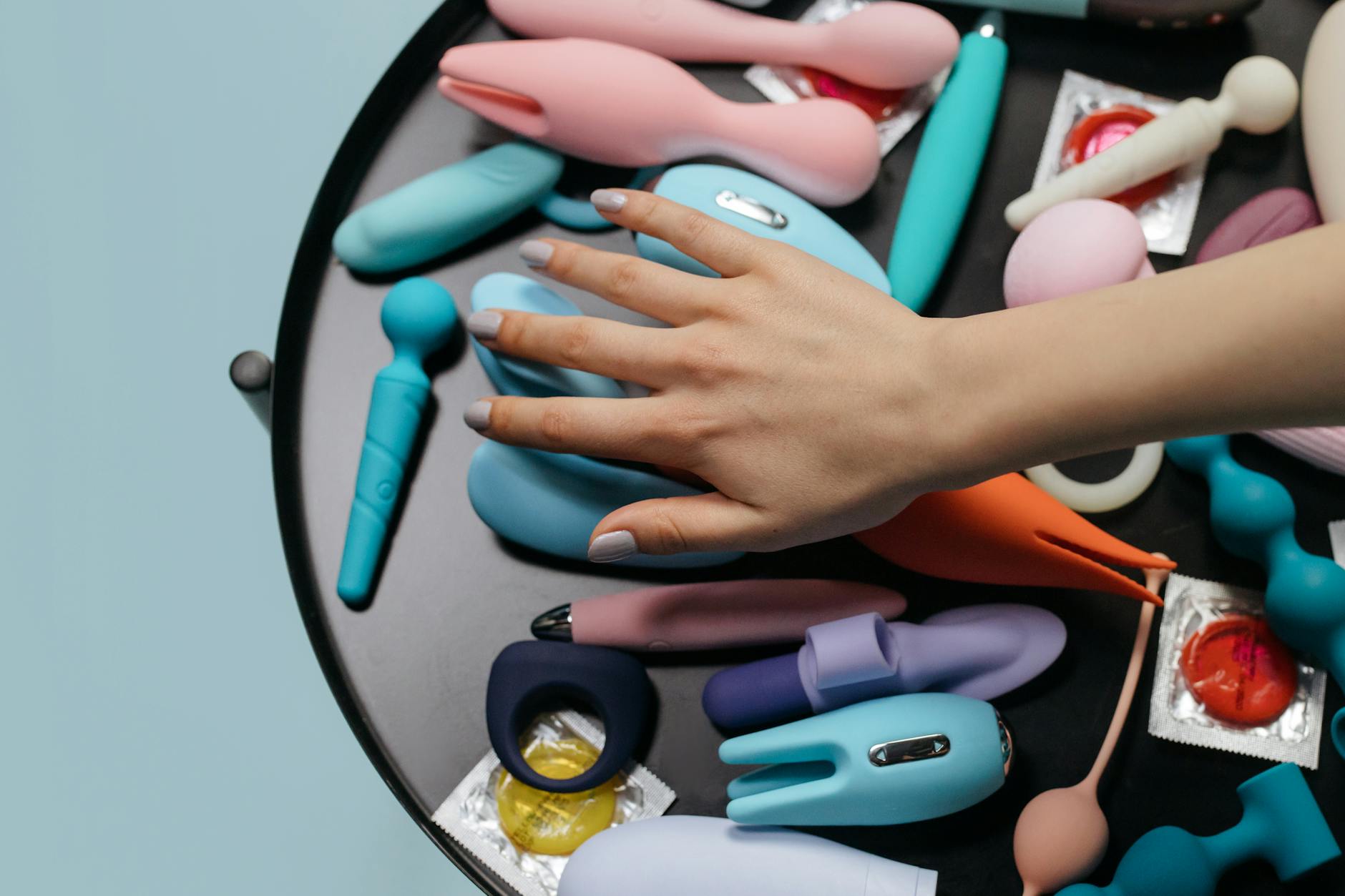
Photo by cottonbro studio on Pexels
The couple dynamic: anticipation and shared rhythm
When a partner is involved, the sensation itself stays consistent, but the context reshapes everything. Suddenly there's anticipation. There's the moment before they touch you. There's watching their reaction to what the vibrator is doing to you. There's the possibility of rhythm coordination.
This is where lemon vibrators get interesting in ways other devices might not. Air-suction toys create a very specific, localized sensation that doesn't feel overwhelming when combined with penetration or other stimulation. Partners often find they can hold a lemon vibrator while maintaining their own presence and connection in the moment, rather than it becoming the main event that distances you from each other.
Many couples I've worked with describe using a lemon vibrator together as a form of foreplay education. Watching how your partner responds to different patterns teaches you more than they could ever explain. The vibrator becomes a communication tool, not a replacement.
What actually changes (and it's not the device itself)
Three things shift when you go from solo to partnered play.
Anticipation. When you're alone, you start whenever you want. When someone else is involved, there's the lead-up. The conversation about it. The moment before they touch you. This anticipation actually primes your nervous system differently, which can intensify sensation even though the vibrator itself hasn't changed.
Attention distribution. Solo, you focus entirely on how the vibrator feels. With a partner, part of your awareness is on them. Their breathing. Their touch. Their expression. This split attention actually enhances for some people (the connection amplifies sensation) and diminishes for others (too many inputs at once). Neither is wrong. It's just a different nervous system state.
Rhythm negotiation. This is the real shift. Alone, you control everything. Together, you're navigating a shared rhythm. Some partners prefer to let you drive the toy entirely while they focus on other touch. Some want to hold it. Some want to alternate who's in control. That negotiation, that collaborative decision-making about tempo and intensity, changes the psychological experience completely.
Solo benefits that often surprise people
First, you actually learn your own body faster. You can't blame timing or pressure on someone else's technique when you're holding the lemon vibrator yourself. You discover what genuinely works for you versus what you think should work.
Second, there's less performance anxiety. Orgasm isn't supposed to happen on anyone's timeline but your own. When you're alone with a lemon clitoral vibrator, you're free to take however long you need. Some people find they actually achieve stronger, more reliable orgasms this way because they're not managing anyone else's experience in their head.
Third, you get to be totally selfish. You can spend twenty minutes on one pattern that feels incredible. You can follow your body's curiosity without worrying about whether your partner is getting bored or restless. That permission to be completely self-focused is rare in partnerships and deeply restorative.
Couples benefits that reshape intimacy
When you introduce a lemon vibrator into partnered play, something interesting happens. The device becomes neutral territory. It's not about what either of you is doing wrong. It's about adding a tool that works in a specific way that hands alone can't replicate.
I've seen couples use lemon vibrators to rebuild trust after communication breakdowns. Because the focus is on mutual pleasure rather than on fixing something, it feels collaborative rather than corrective. The vibrator becomes permission to talk about what actually feels good.
The physical sensation for the receiving partner often gets more intense when there's genuine connection during the moment. The clitoral nerve density doesn't change. But when your partner is fully present, watching, responding, matching their breath to yours, your nervous system responds as if sensation is heightened. It's not the device. It's the presence.
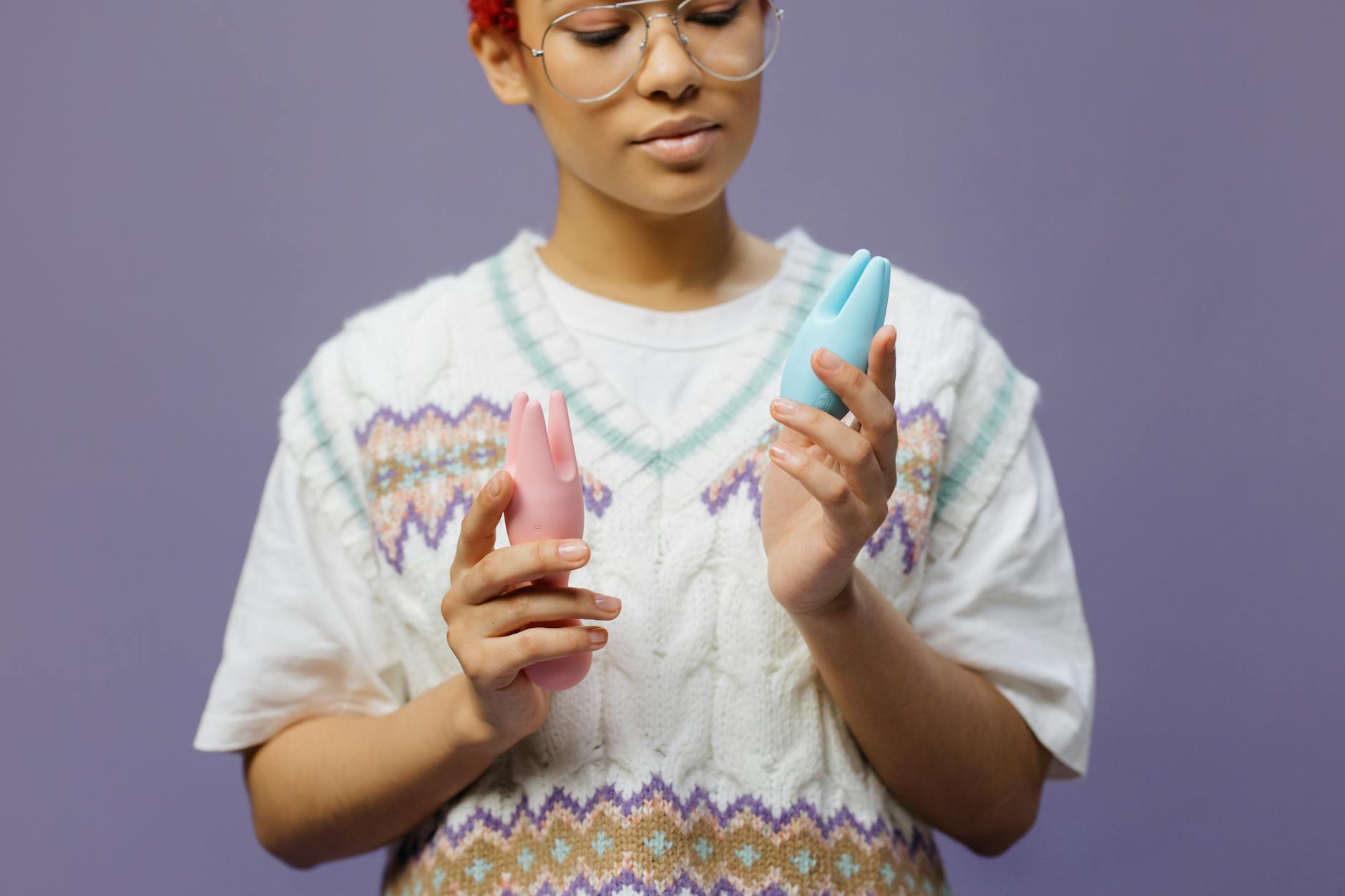
Photo by cottonbro studio on Pexels
The honest middle ground
Here's what I tell couples in my practice: solo play and partnered play aren't competing options. They're different tools for different needs.
Solo play is about self-knowledge and autonomy. It's where you learn what genuinely turns you on without external pressure. For some people, solo play stays a core part of their intimate life even within a committed partnership. That's not a sign of disconnection. It's self-care.
Partnered play is about connection, presence, and shared vulnerability. It's not supposed to replace solo play. It's supposed to expand what's possible together.
The lemon vibrator works beautifully in both contexts because it creates consistent, specific sensation. How you use a lemon vibrator depends entirely on your context and what you're trying to accomplish.
When partnered play with a lemon vibrator works best
Timing matters more than people think. If you've had a connection breach with your partner or you're feeling emotionally distant, introducing any new device (including a lemon vibrator) won't fix that. You'd be putting a vibrator on top of a disconnection that needs actual conversation first.
Partnered play with a lemon clitoral vibrator works best when you already have baseline trust and curiosity about each other's pleasure. It works when you can laugh if something feels awkward. It works when both people genuinely want to be there.
If one partner is doing it to make the other happy while feeling ambivalent themselves, that shows up. Your nervous system detects hesitation. Sensation gets muted.
The conversation before you try it
If you're thinking about using a lemon vibrator with your partner for the first time, talk about it first. Not in the moment. Before.
Ask what they're curious about. Ask what they're nervous about. If they've used vibrators before, what did they like or dislike? Are they hoping this becomes a regular thing or a occasional experiment? Do they want to participate actively or just be present?
This conversation does two things. It gives you information. And it signals that you care about their comfort and curiosity, not just your own pleasure. That signal matters more than the vibrator itself.
FAQs
Will my partner feel insecure if I want to use a lemon vibrator during sex?
Some partners might, initially. But insecurity usually isn't about the device. It's about a story they're telling themselves: "If they need this, they don't want me enough." That story is worth addressing directly and honestly. Most insecurity dissolves when your partner understands that clitoral vibrators like the lemon work in ways hands and bodies alone can't replicate. It's addition, not replacement. Many partners find that when their partner has better access to orgasm, sex becomes less performance-based and more genuinely pleasurable for both of them.
Does using a lemon vibrator with a partner change how it feels compared to solo?
The physical sensation from the lemon vibrator itself stays the same. What changes is your nervous system state. With a partner present and attentive, your body often feels sensation more intensely because you're less in your head and more in your body. The device isn't different. Your nervous system's response to the total context is different.
How do I introduce the idea without making it weird?
Treat it like any other conversation about pleasure. "Hey, I've been curious about lemon vibrators and whether we might try one together sometime. What do you think?" If they seem hesitant, ask what the hesitation is. Listen. Don't oversell it. Sometimes people need time to warm up to new ideas, and that's fine. Pressure kills curiosity.
Can both partners use the lemon vibrator, or is it just for one person?
The lemon vibrator is designed for clitoral stimulation, so if both partners have clitoris anatomy, you could absolutely take turns or use it together. If one partner doesn't have that anatomy, they could hold it for their partner, which many people find deeply intimate. There's no wrong way to share it. The key is figuring out what works for both of you.
What if we try it together and it doesn't feel good?
That's fine. Not every tool works for every person or every couple. The information you get is valuable: "This isn't for us right now, and that's okay." Sometimes devices that work beautifully solo feel awkward with a partner. Sometimes it's the opposite. The lemon vibrator will still work when you want to use it alone.
How often should we use a lemon vibrator together if we start incorporating it?
There's no should. Some couples love using one frequently as part of their regular intimate life. Others try it a few times and then set it aside. Some use it occasionally when they want to add something different. The right frequency is whatever both of you genuinely want, not what you think you're supposed to do. Check in with each other about what's working.
The real difference
Using a lemon vibrator solo and using one with a partner aren't two versions of the same experience. They're completely different experiences that happen to use the same tool.
Solo is about autonomy, self-knowledge, and permission to be entirely selfish about your own pleasure. That matters. That's not second-best. That's foundational.
Coupled use is about presence, trust, and learning each other's bodies more intimately. It's vulnerability in the best sense. It's also not for everyone or every day.
The honest answer is: yes, a lemon vibrator feels different depending on context. And both contexts are valuable. The device itself is consistent. How you experience it depends entirely on who's in the room with you. Most of the time, that's just you. And that's perfect.