
Here's the thing nobody says out loud
Introducing a lemon vibrator to a new partner sounds scarier in your head than it actually is. Most people's anxiety isn't really about the toy. It's about what they think the toy means about them, about the partner, about the relationship.
Let's separate those two things right now. A lemon clitoral vibrator is a tool for pleasure. Bringing it into your intimate life with someone new is a conversation about what you both want, not a referendum on whether your partner is "enough."
Why the timing of the conversation matters
There's a goldilocks zone for this talk. Too early (first or second date) and it can feel like a weird overshare. Too late (six months in, right before bed) and it feels like a surprise test you're springing on them.
The sweet spot is usually three to eight weeks in. You're comfortable enough to be honest. You're not so early that vulnerability feels risky. And you're far enough in that introducing something new feels like you're actually building something together, not auditioning them.
If you're already in a longer relationship and just now thinking about this, don't panic. The conversation changes slightly in tone but not in structure.
Starting the conversation (without making it weird)
Forget the formal sit-down. This isn't a state-of-the-union address. The best openers happen casually, usually when you're already talking about sex or pleasure in some way.
What works:
- "I've been thinking about trying something new in bed. Want to hear about it?"
- "I have this toy I'm curious about. Would you be interested in exploring it together?"
- "There's something I'd like to try with you. Can I show you what I mean?"
What doesn't work:
- "We need to talk" (instantly sounds like trouble)
- Leading with insecurity ("I know I'm not enough, but...")
- Framing it as a problem to solve ("I have trouble finishing...")
The difference is subtle but important. The first set says: "Here's something I want to explore." The second set says: "Something is wrong."
You're not broken. You're curious.
What to say when they ask questions
They will ask. Good. Questions mean they're engaged.
"Why do you want to try this?"
Be honest but focus on the positive. "I'm interested in exploring different sensations" is better than "Nothing else really works." If you have tried other toys or approaches, mention that. If this is your first vibrator, say that too. Honesty builds trust faster than careful editing.
"Does that mean you're not satisfied with me?"
This one usually comes from anxiety. Answer it directly. "No. Pleasure and connection are different things. I'm attracted to you, I enjoy sex with you, and I also want to try this. All three are true." Then give them space to sit with it.
"What if I'm not comfortable with it?"
Then you have a conversation about that discomfort. Not a fight. A real talk. "What makes you nervous about it?" Curiosity here matters more than agreement. Sometimes the discomfort is about the toy itself. Sometimes it's about feeling excluded or worried they'll be replaced. Sometimes it's just new and that's uncomfortable. You can't solve what you don't understand.
The practical side: showing, not just telling
At some point, they probably want to see it. Or you want to show them. You can do this in a few ways.
Option 1: Show them the lemon vibrator in a neutral context. "This is what I'm thinking about. It's called a lemon clitoral vibrator. It works by suction, not vibration, which feels different than traditional vibrators." Keep it matter-of-fact. A lemon vibrator is a beautifully designed object. Treating it like one (rather than like contraband) changes the whole energy.
Option 2: Read about it together. "I read this thing about how lemon clitoral vibrators work differently. Want me to show you the breakdown?" This gives the conversation intellectual ground if that feels safer.
Option 3: Skip the show-and-tell, move straight to use. Some partners prefer to encounter it in the moment rather than in a clinical review first. "I want to use this with you next time. Are you comfortable with that?" This works if they've already said yes in principle.
Setting expectations for the first time
The first time you use a lemon vibrator with a new partner, things can feel strange. That's normal.
Three things that help:
Talk about what happens next. Will they use it? Will you use it on yourself while they're involved? Will they touch you while you're using it? Different couples do different things. Decide ahead of time so nobody's guessing.
Agree on what comfort looks like. This means: if someone feels weird or wants to pause, you pause. No questions, no guilt. You're building trust here. Making space for "actually, let's stop" cements that trust faster than anything else.
Set a low bar for the first time. Your goal is not an earth-shattering orgasm. Your goal is: we tried the thing, we felt okay about it, we can do it again. That's success.
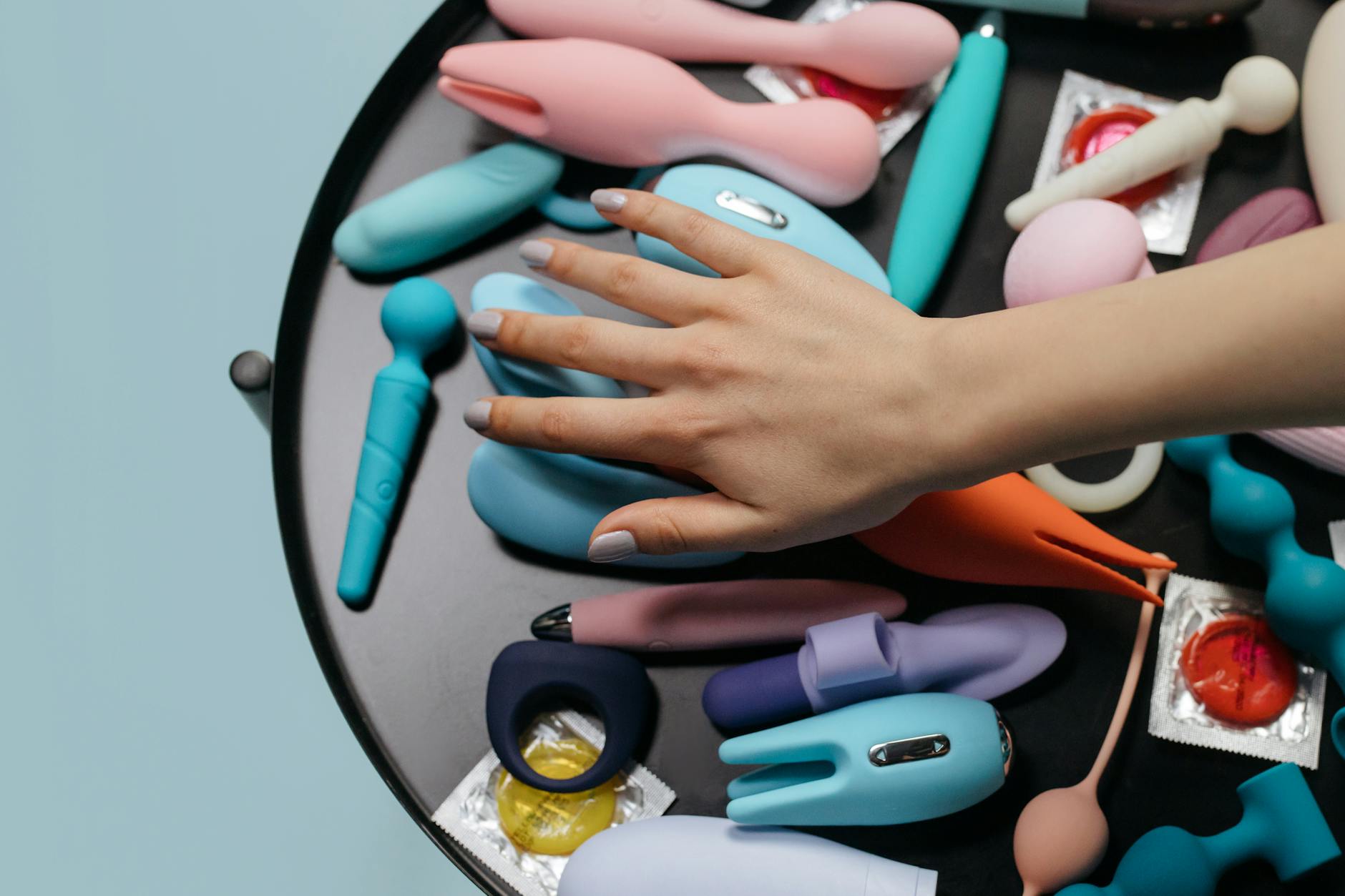
Photo by cottonbro studio on Pexels
What happens if they say no
They might. That's okay. Rejection of a toy isn't rejection of you.
The conversation then is: "What would make you more comfortable?" Some partners come around with time. Some need a different approach entirely. Some have a boundary and it stays a boundary. All of those are valid.
What matters is whether this is a dealbreaker for you. If you absolutely need to use toys in your sex life and they absolutely don't want that, you have something real to work through. That's different from "I'm interested in trying it someday" (you're more flexible) or "I want to explore toys but it's not required" (you have options).
Be honest with yourself about which one you are. Then be honest with them.
The difference between "yes" and enthusiastic yes
Someone can agree to something without actually wanting it. You want enthusiastic yes, not just yes.
Enthusiastic yes sounds like: "Yeah, I'm into that" or "Let's try it" or "I'm curious too." Tolerant yes sounds like: "If you want to" or "I guess so" or nervous laughter followed by agreement.
If you hear tolerant yes, that's your signal to slow down. Ask more questions. Sometimes people need more information or more time. Sometimes they need permission to say no. Sometimes they just need to feel like their partner actually cares whether they're comfortable, not just whether they're going along with it.
After the first time (managing expectations going forward)
Your lemon clitoral vibrator isn't going to feel the same every time. Sometimes it'll be amazing. Sometimes it'll feel okay. Sometimes one of you won't be in the mood for it and that's fine. This is true of any shared intimate practice.
Check in after. Not in an interrogation way. Just: "That was fun" or "How did that feel for you?" These small touch points help both of you understand what's working and what might need adjusting.
If you're wondering whether to use it solo versus together or always with a partner, that's worth a conversation too. Some people feel differently about toys depending on whether they're solo or partnered play. Some partners want to feel needed or involved. Some don't care. Your partner's feelings matter, and so do yours.
The psychology of "why this matters"
Introducing a toy to a new partner is actually an intimacy builder if you do it right. You're saying: "I trust you enough to tell you what I want. I'm vulnerable about this. I believe you'll respect it." Those are all foundational things in a relationship that lasts.
The couples I work with who navigate this well aren't the ones who had the perfect conversation. They're the ones who stayed curious about each other's experience instead of defensive about their own.
A lemon vibrator isn't about replacing your partner or proving something's wrong. It's about expanding what pleasure looks like together. And that conversation, awkward as it might feel at the start, is actually one of the most connecting you can have.
People also ask
How do I know if my new partner will be open to using a lemon vibrator?
You don't. And you won't until you ask. The best predictor is usually how they talk about sex and pleasure in general. Do they seem curious? Can they laugh about it? Are they open to trying things? But honestly, some surprising people are into it and some you'd expect to be fine with it end up not being. The conversation is the only real way to know.
Should I use the lemon vibrator on myself first before introducing it to my partner?
Absolutely. You should know how it feels, what settings you like, and how to use it before you involve someone else. Plus, you'll feel more confident talking about it and demonstrating it if you actually know what you're talking about. A lemon clitoral vibrator works through suction rather than vibration, so understanding that mechanism yourself makes the conversation much easier.
What if my partner wants to use the lemon vibrator on me but I'm nervous about that?
Nervousness makes sense. You're giving them access to something intimate and powerful. Talk through it. What specifically feels risky? Is it pressure to perform, or vulnerability, or something else? Sometimes starting with you using it while they're present is a good middle ground. You keep control, they get to be involved, and you both get comfortable with the toy being part of your sex life.
Can using a toy with a new partner damage the relationship?
Not on its own. What can damage a relationship is pushing someone past their comfort level, ignoring their hesitation, or using the toy as a way to avoid talking about real issues. If you introduce it with respect and genuine curiosity about your partner's experience, it actually deepens intimacy. Compare this to how a lemon vibrator feels different with a partner versus solo, where mutual comfort changes the whole dynamic.
How soon is too soon to bring this up in a new relationship?
When you feel secure enough to be vulnerable about it, and when you've had some indicator that your partner is open to exploring pleasure together. For some couples that's three weeks. For others it's three months. You'll feel the timing in your gut. If you're nervous it's too soon, it probably is. If you're excited to share something with them, that's often the right moment.
What if we're different about toys and that becomes a bigger issue?
Then you're actually dealing with a values question that deserves real conversation, potentially with a therapist. If pleasure and exploration matter a lot to you and your partner wants to keep things more conventional, that's a real incompatibility worth addressing early. It doesn't mean you break up, but it means you're both clear about what you're signing up for.
The bottom line
Introducing a lemon vibrator to a new partner is mostly just honest conversation with someone you trust. The toy itself is the easy part. The hard part is being vulnerable about what you want and making space for them to be honest about what they feel.
If you're stuck on how to start, remember this: you're not asking permission. You're inviting them into something you're curious about. There's a big difference. One puts them in charge of your pleasure. The other puts you both in charge together.
Your pleasure matters. Your partner's comfort matters too. The conversation that honors both is the one worth having.