Your thirties feel completely different, and that's not an accident
Somewhere between 29 and 32, something shifts. The things that made you orgasm at 25 don't quite land the same way anymore. Your body has different responses. Your mind wants something different. Even your relationship (if you're in one) has evolved in ways that change how you actually experience pleasure. This isn't decline. It's evolution. And knowing how to work with it matters.
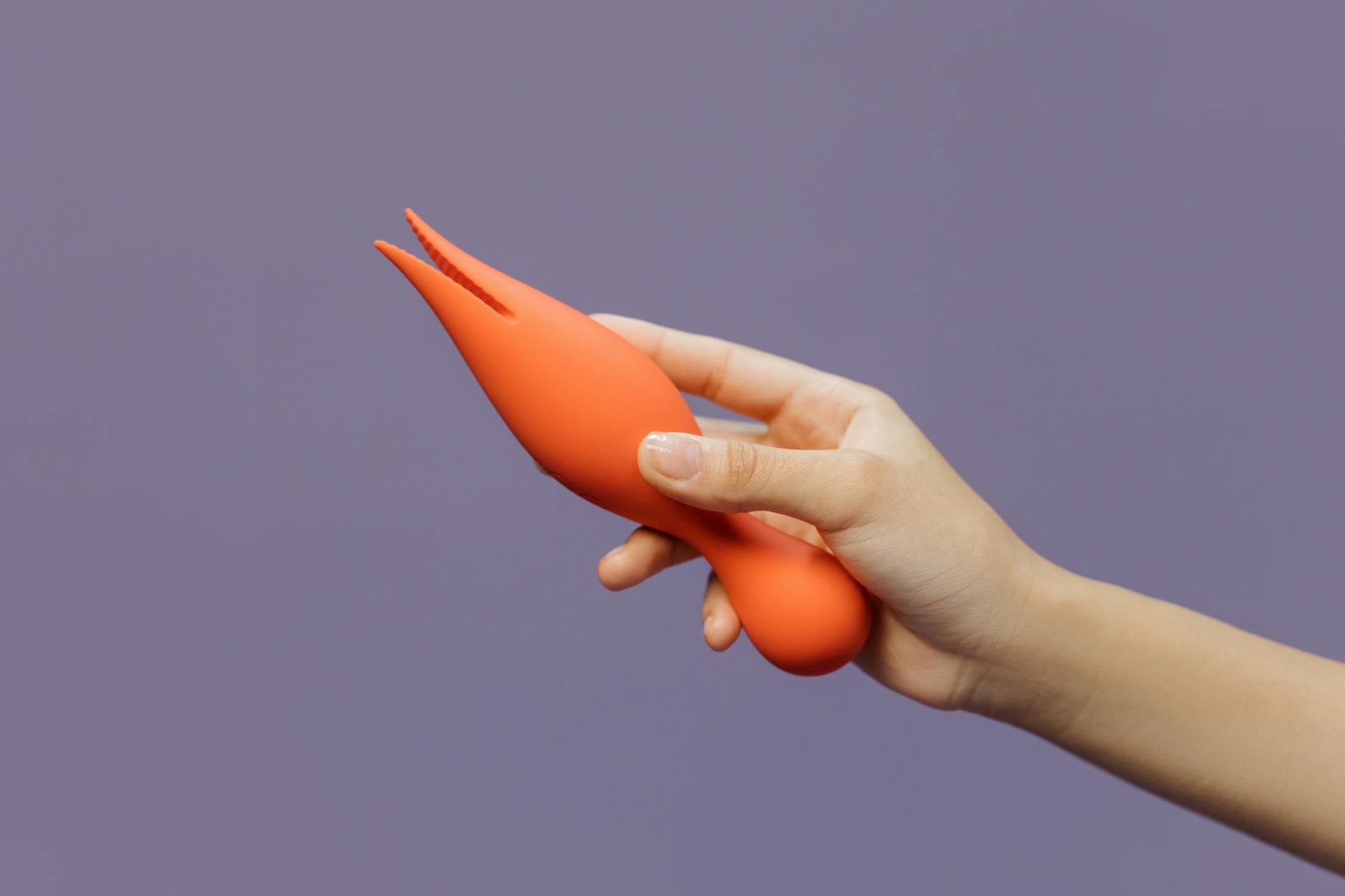
This is exactly why a tool like a lemon clitoral vibrator becomes useful at this stage of life in ways it might not have been earlier. But the technique changes too.
Why your body responds differently in your thirties
Three specific shifts happen in your thirties that affect how you experience arousal:
Your orgasm threshold has shifted. In your twenties, the combination of youth hormones, novelty, and often less complex emotional baggage means orgasm can arrive quickly and easily. By your thirties, your nervous system has usually absorbed more stress. Your pelvic floor might be tighter from years of holding tension. You've probably had more partners, more disappointments, or both. That changes how fast stimulation registers as pleasure.
Your clitoral sensitivity has refined. You now know which types of touch actually work for you, not just theoretically but from lived experience. This is good news. It means you're pickier, which sounds negative but actually means you're more likely to reach orgasm when you know what you want.
Your mental space during sex is more crowded. Career concerns, relationship dynamics, body image that's shifted since your twenties, maybe thoughts about kids or money. Your brain is simultaneously more experienced and more occupied. That divides your attention in ways that can make the physical aspect feel less intense unless you actively manage it.
The lemon vibrator isn't solving for these by magic. But its design specifically helps you work around them.
How the suction design works for your changed body
Unlike a traditional vibrator, the lemon vibrator uses a suction-based stimulation pattern. Here's why this matters at 30:
The suction action creates a broader area of stimulation across the clitoral complex. In your twenties, direct, intense vibration on a very small area might have been enough. In your thirties, you often need the stimulation to engage the whole vulva and the internal structures beneath the surface. Air-pulse vibrators like the Lemon Clitoral Vibrator from Helo Nancy's Lemon do that naturally.
Suction also doesn't require you to press down as hard as traditional vibrators do. This matters because years of stress, pelvic floor tension, and just living in your body means that direct friction can feel too sharp or even uncomfortable. The suction pattern feels rounder, more enveloping. Many women in their thirties report that this feels less irritating and more satisfying than the pointed vibration of earlier toys.
The technique that actually works now
Here's what I notice clients in their thirties doing differently, and doing better.
Start lower and go slower. Your twenties self might have cranked the vibrator to max and finished in five minutes. Your thirties self will actually get more out of starting at pattern 2 or 3 on the Lem and staying there for a longer warm-up. This isn't weakness. It's your nervous system being smarter about arousal. Your body needs more time to signal that it's ready. Give it that time.
Use it with actual foreplay, not instead of it. Many people think of vibrators as a replacement for everything else. In your thirties, the opposite works better. Use 10-15 minutes of manual touch, kissing, or whatever foreplay actually works for you. Then introduce the lemon vibrator. Your nervous system will be already engaged, and the vibrator will amplify an existing signal rather than trying to create one from scratch.
Position matters more than speed. In your twenties, you might have just held it in place and let it do the work. By your thirties, small movements often feel better. Subtle angles. Slight pressure adjustments. The lemon sucker rewards this kind of active engagement more than stationary use.
Give yourself permission to come differently than you did at 25. This is the hardest but most important part. Your orgasm at 30 might be quieter, slower building, or feel less intense than it did before. That doesn't mean it's worse. Often it's more pleasurable because you're more present, more aware of your body, and not comparing it to a teenage or twenties reference point that doesn't apply anymore.
The mental piece you're probably not addressing
Here's the thing nobody tells you about your thirties: the physical tool matters less than the mental space you're in when you use it. A lemon vibrator is phenomenal technology. But it can't work around a brain that's still in "I need to be attractive" or "I'm supposed to come quickly" or "what if someone judges me for using this."
In your thirties, you likely have more self-knowledge. You know the people whose judgment actually matters. You've had enough relationships or experiences to know what you actually like versus what you thought you were supposed to like. That's your advantage.
Use it. Put the phone away for 15 minutes. Don't have the lights off if you like them on. Don't pretend you're enjoying something you're not. The lemon vibrator works best when you're actually present with your own pleasure, not performing it for an imagined audience.
If you're using this with a partner
Your thirties often come with longer-term partnerships or more emotionally complex relationships than your twenties did. If you're using a lemon clitoral vibrator with someone else, here's what matters:
Communication beats everything. Not a big awkward conversation, but actual words about what you want to try. "I'd like to incorporate the vibrator into what we do together" is completely different from secretly using one and hoping they don't notice.
Most partners in their thirties aren't threatened by this. They're often relieved. It's easier to enjoy each other's pleasure when everyone's actually getting there. If your partner is threatened, that's worth examining separately from the vibrator question.
The other thing: knowing how to use it solo first makes partnered use so much better. You can tell them what pattern works, what pressure feels good, where to angle it. You're not learning and teaching at the same time, which is exhausting.
When to upgrade or adjust your approach
Maybe you bought a lemon vibrator a few years ago and it's not hitting the same way anymore. That's normal. Your body continues to evolve throughout your thirties, not just once and then staying static.
Some signs you might want to try a different pattern or even a different toy: If what used to work feels numb or irritating. If you're having to crank it to an uncomfortably high intensity and you're still not feeling much. If your pelvic floor stays tense no matter what you do (that might call for a pelvic floor specialist conversation, not a vibrator change, but it's worth noting).
The good news is you know your body better now. You can actually diagnose what's happening. Is it stress? Hormonal shifts? A partner dynamic that's changed? That clarity helps you figure out if the solution is a different approach with the same toy, or if you actually need something different.
The thirty-something advantage nobody talks about
Your twenties self had novelty and youth hormones. Your thirties self has something better: actual knowledge of what works for you, permission to stop performing, and enough experience to know that pleasure matters. The lemon vibrator is a tool for that. Not a solution, not a shortcut, but a really good tool when you know how to use it.
Most people in their thirties have either stopped prioritizing pleasure altogether or they're trying to use the techniques that worked at 25 and getting frustrated when they don't. Neither has to be your path. Your body at 30 deserves the same care and attention you'd give it in any other area of your life. Maybe more, because pleasure is genuinely connected to stress relief, relationship satisfaction, and basic quality of life.
The lemon vibrator from Helo Nancy's Lemon, when used with intention and the techniques that actually work for your current body, often becomes one of the better investments in your pleasure you'll make.
FAQ: Using lemon vibrators in your thirties
Is it normal that the vibrator feels different than it did when I first got it?
Completely normal. Your body is constantly changing. Hormones shift throughout your cycle, stress affects sensation, and honestly, your brain's relationship to pleasure evolves as you get older. If something used to work and doesn't now, that's information. It usually means you need a slightly different approach, longer warm-up time, or sometimes just permission to enjoy what you're feeling instead of comparing it to a previous reference point.
How do I know if I should try a stronger intensity or something more gentle?
Start with what you know works and then go one step down in intensity. Stay there for five to ten minutes. Your body might actually respond better to sustained gentler stimulation than to maximum intensity. If that feels completely numb, then you can go back up. But most people in their thirties find that they actually prefer patterns three through six on a lemon clitoral vibrator rather than the maximum. You're not broken. Your nervous system just has different preferences now.
Can using a lemon vibrator regularly change how I respond to manual stimulation from a partner?
Not in a permanent way, but yes, temporarily. This is called desensitization and it's real. If you use the vibrator multiple times daily at high intensity, your body might need more stimulation for a bit. The solution is actually just spacing it out. Using it two or three times a week instead of daily usually means you stay responsive to other forms of touch. Think of it like any other body response. If you run every single day, your resting heart rate lowers. If you take a day off, you notice when you run again. Same principle.
What if my partner wants to use it and I'm not sure that's comfortable for me?
That's worth sitting with for a minute. Not in a sex session, but just honestly asking yourself why. Are you uncomfortable with the idea of pleasure tools in general? Uncomfortable with your partner seeing you come? Worried about comparison or performance? Those are all different conversations. Once you know what the actual hesitation is, you can address it specifically. Often, people feel differently once they've used it solo and feel confident with it, then tried it with a partner. You're in control. That matters.
Is thirty too young to worry about changes in sensation and arousal?
Nope. Your thirties are when a lot of people actually start paying attention to these shifts because the novelty of youth is wearing off. You might have had the same sexual response since puberty, and now something's different. That's completely normal. It doesn't mean anything is wrong with you. It means your body is doing what bodies do, which is change. The people who struggle most are the ones who expect their thirties body to respond like their twenties body. Your thirties body is actually often more capable of pleasure because you know what you want.
Should I be using this solo or with a partner?
Both is ideal, but solo first. Using a lemon vibrator solo gives you complete information about what works for your body without any pressure or performance anxiety. Then, if you want to incorporate it with a partner, you can actually teach them what you've learned. That's so much better than trying to figure it out together while also managing all the other dynamics of partnered sex. Solo use also just feels good for its own sake. Your thirties are a great time to stop apologizing for that.
Your thirties are actually the beginning of some of the best sex and pleasure of your life. You just need to stop using a map designed for your twenties. The lemon vibrator, used with the techniques that actually work for your current body, can be part of that shift. Start with intention, tune in to what actually feels good rather than what you think should feel good, and give yourself permission to enjoy the way pleasure shows up for you now.
If you want to explore more about how your relationship and pleasure evolve together during this decade, check out our guide on intimacy when partners have different energy levels. And if you're curious about how hormonal changes affect your response throughout the month, this post on using lemon vibrators during your menstrual cycle breaks down the science.
Have questions about finding the right tool or approach for you? Reach out. That's what we're here for.