Let's start with what you need to know
If you haven't had sex or engaged with your own pleasure in a long time, there's a script running in your head that's probably not helping. It sounds like: "I won't be able to feel anything." Or: "My body's forgotten how." Or: "This will be weird and uncomfortable."
Here's the truth. Your nervous system hasn't forgotten. Your nerve endings are still there. What's different is you're starting fresh, and starting fresh takes a different approach than jumping back in.
Why a sexual hiatus changes how your body responds
When you've been away from sexual activity for months or years, a few real things happen.
Your pelvic floor muscles tighten from disuse. Your vulva gets less regular blood flow, so tissues are a bit thinner and less responsive at first. Psychologically, you might have built up anticipation or anxiety that's making your nervous system guard rather than open. That's not broken. That's just your body being protective.
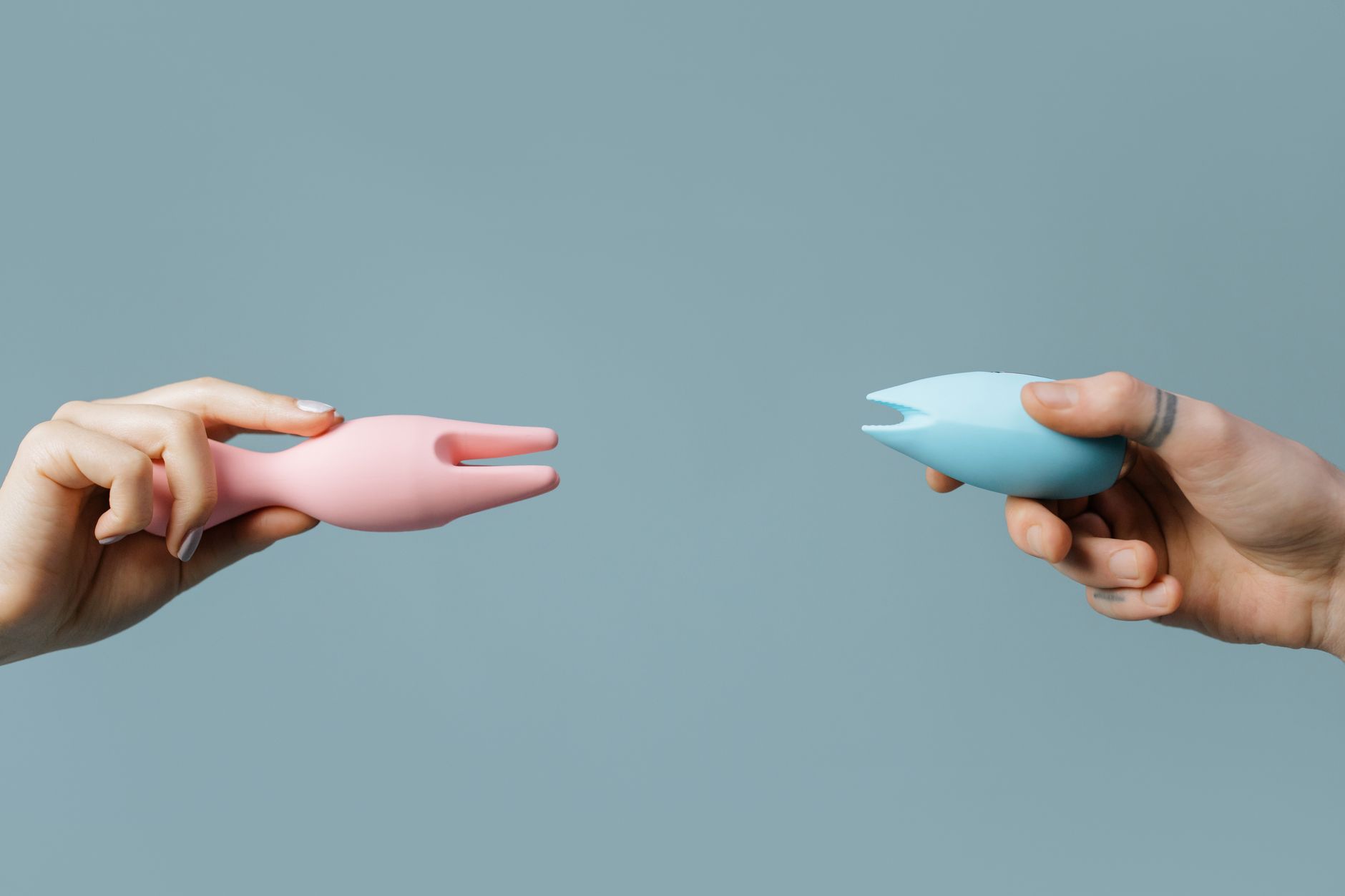
The good news: all of this is reversible. Within weeks of regular exploration, blood flow returns, sensation comes back online, and your nervous system learns it's safe to relax. The lemon vibrators from Helo Nancy's Lemon work specifically well for this re-entry because their suction-based design doesn't require the same pressure as traditional vibrators. You can start very gently and build from there.
The first rule: solo exploration before partnered
If you've been away for a long time, reclaiming pleasure on your own first is nonnegotiable. Here's why.
When you explore solo, there's no performance pressure. Your only job is to notice what feels good. You're not managing someone else's pacing, expectations, or experience. You're not self-conscious about taking time. You can stop, start, change your mind, take breaks. That autonomy is what makes your nervous system feel safe enough to actually open.
This isn't forever. It's a foundation-building phase. Think of it like physical therapy. You wouldn't jump back to running after an injury. You'd walk first. Same idea here.
Setting up your environment for success
Your surroundings matter more than you think when you're rebuilding.
Find a space where you won't be interrupted. Your bedroom, a locked bathroom, wherever you feel genuinely private. Tension killed pleasure then and it kills pleasure now. Eliminate notifications on your phone. Close the door. If someone else is in your home, set a clear expectation that you need 30 uninterrupted minutes.
Warm your space up, literally. Pleasure happens easier when you're not cold. You might light a candle, not for aesthetic romance but because a small flame gives you permission to slow down. Grab water. Your body gets dehydrated during pleasure, and staying hydrated helps everything feel better.
One thing I recommend: shower or wash your vulva first. This isn't about being "clean enough." It's about intentionality. The act of washing signals to your nervous system that this is a dedicated time for you. It's a boundary between your day and this exploration.
How to actually start with a lemon clitoral vibrator
Take your time with the first session. The goal is not an orgasm. The goal is sensation.
Lie down somewhere comfortable. You might use pillows under your hips or lower back to angle your pelvis in a way that feels supportive. Don't start with the toy yet. Spend 5 minutes just breathing and noticing what your vulva feels like without any stimulation. Can you feel your pulse? Warmth? Texture? You're waking up your proprioception. That matters.
When you're ready, apply a generous amount of water-based lubricant. Your body might not be lubricating on its own yet, and that's normal after a long absence. Use the lube anyway. It removes friction and allows you to focus on sensation instead of discomfort.
Start the lemon vibrator on its lowest setting. The beauty of a clitoral vibrator like the Lem is that you control the intensity from pattern 1 upward. Position it so the suction cup is over your clitoral area but not directly on your clitoris. You can also hold it off your body slightly so you're getting the sensation of proximity rather than direct contact. This is key for re-entry. Your sensitivity is higher than you remember, and easing in prevents overstimulation.
Spend 10-15 minutes exploring. Notice what feels good. Notice what doesn't. Both are information. If something feels uncomfortable, that's your signal to back off, not power through.
What to expect in those first few sessions
You might feel a lot or a little. Both are completely normal.
Some people report immediate sensation and even orgasm on the first try. Others feel numb or disconnected for the first few sessions. If you're in the latter camp, your nervous system is just taking time to trust that this is safe. Don't panic. Keep going. By session three or four, most people feel a clear shift.
You might also feel emotional. Tears, laughter, a weird mix of both. After a long time away from pleasure, reconnecting to your own body can release a lot. That's not a problem. That's your nervous system finally unclenching. Let it happen.
If you notice pain (sharp, burning, or intense aching), stop and check in with yourself. Is this muscle soreness from pelvic floor tension? That usually settles within a few minutes and improves with successive sessions. Or is it something sharper? If it's persistent or sharp, consult a pelvic floor physical therapist. There's no prize for pushing through pain. There's only better information and better support.
Building a sustainable rhythm
Consistency is what rewires your nervous system and brings back full sensation.
I recommend 3-4 solo exploration sessions per week for the first month. Each session can be 15-30 minutes. You're not trying to come every time. Some sessions you'll get there. Some you won't. Both are fine. The point is regular engagement, which is what brings blood flow back, teaches your pelvic floor to relax, and reminds your nervous system that pleasure is accessible.
Keep a small journal if that helps. Not a performance record. Just notes on what you noticed: what setting felt good, what didn't, how your body responded. Over time you'll see patterns emerge. Maybe pattern 2 on the Lem is your sweet spot right now. Maybe you need 20 minutes of warm-up before the toy even comes out. Maybe you prefer exploring right after a bath when your body is warm. That's your blueprint.
If you hit a plateau where sensation isn't improving after two weeks of regular practice, that's your signal to check in with your nervous system. Are you stressed about something else? Is anxiety about performance creeping in? Are you rushy? Sometimes the blocker isn't physical. It's psychological, and slowing down even more is the answer.
When you're ready to involve a partner
This is where the work you've done solo pays dividends.
Once you've had several solo sessions and feel reconnected to your own sensation, you can invite a partner into that space. But before you do, have a conversation. Tell them what you've been doing and why. Explain that you're rebuilding and that you'll need things to be slow and pressure-free. Show them your Lem or another lemon vibrator if you want to. Let them see what you're working with.
The first partnered session might look like: you use the toy on yourself while they're present but not doing anything. They're just witnessing and being close. Next time they might apply the lubricant. Then they might hold the toy alongside you. You're gradually building shared experience without the intensity of partnered sex right away.
Here's what not to do: don't let your partner take over immediately. Your nervous system is still rebuilding trust in pleasure, and you need to maintain control of the pacing and pressure. Using a lemon clitoral vibrator actually makes this easier because it's visually clear when you're directing the experience versus them directing it.
Troubleshooting what gets in the way
Your mind might create obstacles that have nothing to do with your body's actual capacity.
If you feel guilty about taking time for pleasure, notice that. It's worth examining. You're not stealing. You're tending to your own well-being. If shame shows up, especially if it's tied to religious background or messages you received about your body, consider talking to a therapist about that specifically. Shame lives in the nervous system and stops sensation. Addressing it directly helps.
If you feel disconnected from your body after a long hiatus, that's dissociation, and it's common. You might feel like you're watching yourself rather than inhabiting yourself. If this happens, slow everything down more. Name five things you can see, four you can touch, three you can hear. Ground yourself in the present moment. Then try again. Your body will come back online when your mind feels safe.
If you're worried you won't be able to climax, separate that from pleasure. Climax is one type of pleasure. It's not the only goal. Some of my clients' best discoveries happen in the space before orgasm, where they're just connecting with sensation. Let the orgasm be a bonus, not the mandate.
FAQ
How long does it usually take to feel full sensation after a long break?
Most people notice a shift within 2-4 weeks of consistent exploration. That doesn't mean you'll climax in that timeframe. It means sensation will feel more available, less numb. Full return usually takes 6-8 weeks, but everyone's timeline is different. What matters is consistency, not speed.
Can I use a lemon vibrator if my vulva feels tight or uncomfortable?
Yes, actually. That tightness is usually pelvic floor tension, which a gentle clitoral vibrator can help address. The suction-based design of tools from Helo Nancy's Lemon is particularly good for this because it doesn't require you to tolerate intense pressure while you're already sensitive. Start on the lowest setting and use lots of lube.
Is it normal to feel emotional during or after solo exploration after a long time?
Completely. You're reconnecting to a part of yourself you've been away from. That can bring up grief, joy, relief, or a complicated mix of all three. Feel it. Cry if you need to. This is part of the healing.
What if I don't climax even after a few weeks of regular use?
That might be your nervous system signaling that something else is going on. Are you still stressed? Are you rushing? Are you comparing your response to how you were before? Sometimes the blocker is psychological, not physical. Consider talking to a therapist who specializes in sexuality. Or try extending your warm-up time even more. Your body will tell you what it needs if you listen.
Should I tell my partner I'm using a lemon vibrator to rebuild sensation?
If you eventually want to involve them, yes. Transparency now prevents shame and secrecy later. But if this is purely for you and your partner and you aren't planning to involve them, that's your call to make. You get to decide what you share.
Can I use a lemon clitoral vibrator if I'm on antidepressants that affect sensation?
Yes. In fact, many people on SSRIs find that tools specifically designed for clitoral stimulation, like the ones from Helo Nancy's Lemon, are helpful because the suction design can work through some of the numbness that medication causes. You might need stronger settings than you expected, and that's fine. Check out our detailed guide on how lemon clitoral vibrators help when antidepressants numb your sensation.
The truth about coming back
Your body is resilient. Your nerve endings didn't go anywhere. Your capacity for pleasure is still there, just dormant. The time you spend rebuilding solo isn't a detour from pleasure. It's the entrance to it.
Every session where you explore without pressure, without performance, without a destination in mind, is a session where your nervous system learns it can relax. That's the work. That's what brings sensation back online. Not forcing it. Not rushing. Just showing up, consistently, with gentleness and curiosity.
If you want more specific guidance on navigating this transition with a partner, or if you're facing barriers that feel too big to handle alone, reach out to us. We're here to help you rebuild what's yours.