The unfamiliar territory of your own pleasure
Let's be real. After years of partnered sex, solo pleasure feels weirdly foreign. Your body spent a long time calibrating itself around someone else. How they touch. When they're ready. What makes them respond. That attunement was real, and it was useful. But it also crowded out a crucial relationship: the one you have with your own sensation.
Now you're alone, and your body doesn't quite know the script anymore.
What actually changes when you go from partnered to solo
It's not just psychological, though the mental shift is significant. Neurologically, something real happens. When you're with a partner, your nervous system is partly oriented toward them. You're reading their cues, responding to their energy, sometimes prioritizing their pleasure or pace over your own signals. Even if the sex was good, your brain was running a dual process.
Solo, there's no second person to read. That means your nervous system can finally turn inward completely. Sounds liberating, right? It often is. But it also means you're relearning how your body communicates desire, arousal, and satisfaction on its own timeline.
Many people returning to solo play after long partnerships report that arousal feels muted, orgasms feel different, or that they have trouble focusing on sensation without a partner's presence triggering their response. This is normal. Your sexual response was shaped by a specific context, and you're in a new one.
Why air suction feels differently when you're relearning your own body
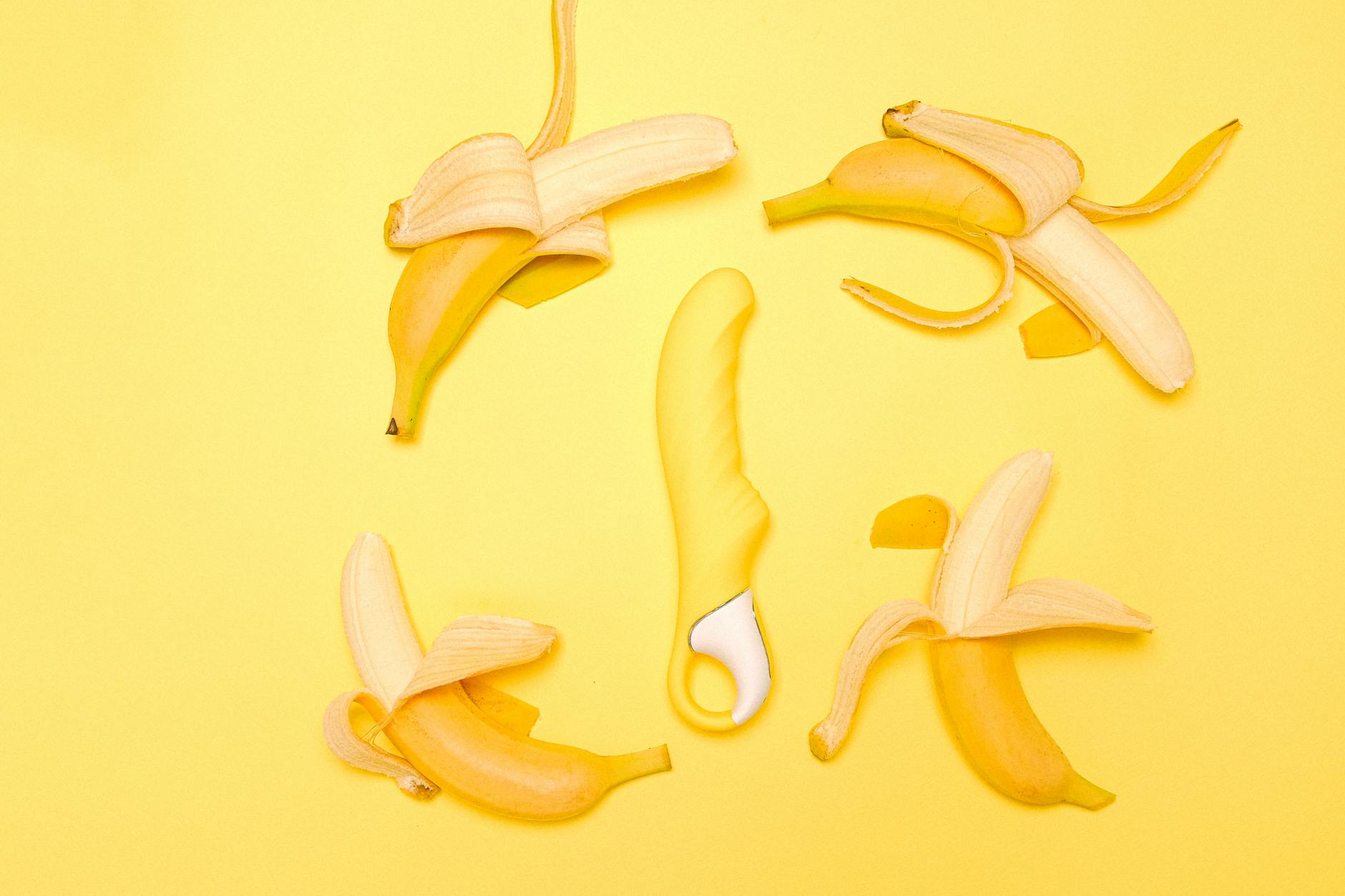
A lemon clitoral vibrator like the Lem uses air suction rather than vibration. That difference matters more than you might think when you're solo.
Traditional vibrators work through repetitive oscillation. They're good at creating a predictable, consistent sensation. But after being partnered, predictable can feel boring. Your nervous system wants novelty. Air suction provides that. The sensation builds gradually, mimics the sensation of oral play, and creates a rhythm that you're controlling rather than just receiving.
When you're solo, you need a tool that lets you explore rather than just activate. The Lem vibrator works that way. You're not turning on a pattern and waiting for results. You're building sensation with intention. That active participation is crucial when you're retraining your body to trust its own signals.
Air suction also gives you finer control. With a traditional clitoral vibrator, the sensation can feel overwhelming or one-note if you're starting from a place of reduced responsiveness. Suction starts gentler and builds on your terms.
The attention piece nobody talks about
Here's what catches most people off guard: solo pleasure requires more mental focus than partnered sex, not less.
With a partner, arousal was often externally driven. Their touch triggered you. Their attention activated you. Solo, you have to direct your own attention. You have to actively notice sensation, build on it, and stay present rather than falling into distraction.
For people returning to solo play after years partnered, that mental shift is real work. Your brain might wander. You might feel disconnected from the sensations even as they're happening. You might experience pleasure and then suddenly realize you weren't fully present for it.
This is where tool choice matters. Lemon clitoral vibrators have a distinctive sensation pattern that makes attention easier. The building intensity, the changeable patterns, and the novelty of air suction give your brain something specific to focus on. It's not like a traditional vibrator where you can zone out. You have to be present with it.
Permission is the invisible ingredient
This one's psychological, but it's foundational. When you're partnered, pleasure is often framed as mutual. You're both doing this together. But solo, there's no one to validate the experience. No one to affirm that yes, this matters, yes, your pleasure counts.
Many people, especially women and folks socialized as women, internalize the message that solo pleasure is secondary. It's what you do when partnered pleasure isn't available. Returning to it after a long partnership sometimes feels like backsliding, like you're supposed to be partnered or it doesn't count.
It's garbage logic, and it's surprisingly hard to shake. Giving yourself explicit permission to prioritize solo pleasure, to invest in tools that work for you, to spend real time on your own sensation. That's the work.
Investing in a quality lemon clitoral vibrator is partly practical and partly symbolic. It says: I'm not waiting for external validation. My pleasure is the point right now. That permission shift changes how your nervous system shows up to the experience.
What to expect in the first few sessions
Several things might happen, and none of them mean something's wrong.
Your body might take longer to respond. This is normal. Add fifteen to twenty minutes of exploration before you even think about intensity. Your body needs time to remember how to signal desire to itself.
Arousal might feel different. Maybe flatter, maybe more concentrated, maybe slower to build. This isn't permanent. You're literally rebuilding neural pathways. It takes repetition to re-establish the connection between sensation and response.
Orgasm might look different too. Different intensity. Different texture. Maybe faster, maybe slower. Your body's baseline has shifted. That doesn't mean it's worse. It often means it's deeper because you're actually present for it.
Distraction will happen. Your brain will wander. You'll suddenly become aware of a sound outside or remember that you need to do laundry. This is the nervous system learning to stay in solo mode. Don't see it as failure. Gently redirect attention back to sensation.
Using a lemon sucker vibrator helps with distraction because the distinctive sensation keeps pulling your attention back. It's harder to zone out when you're actively engaging with a tool that requires your input.
Building a practice, not just a moment
The people who find reconnection easiest aren't the ones who approach solo play as a quick fix. They're the ones who build a practice.
This doesn't require ceremony or hours. But it does mean showing up regularly. Maybe three times a week. Maybe more. The consistency trains your nervous system to expect pleasure as part of your baseline life, not as a treat or a replacement for what you've lost.
With a quality lemon clitoral vibrator, the barrier to practice is lower. You're not learning complicated techniques or worrying about whether the tool is the problem. The sensation is immediately distinctive. The results are usually noticeable within a few sessions.
Over time, consistent solo practice does something crucial: it untethers pleasure from partnership status. Pleasure becomes something you generate yourself, for yourself. That's not the same as partnered pleasure. It's not better or worse. It's yours. And that foundation changes everything if you do eventually partner again.
When your nervous system might resist
Sometimes people hitting this transition find that their body resists solo pleasure even when they intellectually want it. Desire stays low. Arousal feels blocked. Orgasm feels distant.
Often this points to grief that hasn't been processed. You're not actually avoiding solo pleasure. You're avoiding the reality of being single. That's not something a vibrator fixes. That's something that requires space to grieve the relationship and maybe support from a therapist or coach.
But sometimes, particularly when the relationship ended suddenly or painfully, returning to the exact body and nervous system that was part of the partnered dynamic can feel unsafe. Your body remembers. It's protective. Forcing the issue doesn't work.
If this is you, go slower. Use lower intensities. Prioritize gentleness. Consider reading about why lemon clitoral vibrators work better for people with vaginismus because some of those principles apply here too. Your body might need permission to soften before it can open to sensation.
The opportunity underneath
Most people who successfully navigate this transition report something surprising: solo pleasure becomes richer than it was before the partnership.
Why? Because you're bringing adult attention to it. Intention. You're not fumbling around figuring out what works. You have years of knowing your own body, even if that knowledge got dormant. You're also not performing for anyone. No dynamic to manage. No one else's pleasure to factor in.
That clarity changes the experience. Solo pleasure after partnership often hits deeper, lasts longer, and feels more integrated into your sense of yourself because you're doing it with full presence.
A good lemon vibrator supports that. Tools like the Lem are designed for solo play specifically. They work with your own touch, build sensation collaboratively rather than doing it to you, and create a feedback loop where you're actively directing your own pleasure.
Is it the same as partnered sex? No. Is it less valid? Absolutely not. Is it sometimes better? Many people find it is, at least for this chapter.
People also ask
How long does it take to get back to normal pleasure after a long relationship?
There's no single timeline, and "normal" is the wrong metric. Most people report noticeable shifts in their solo practice within three to four weeks of consistency. But the deeper reconnection, where pleasure feels fully integrated again, often takes two to three months. This assumes you're showing up regularly and not fighting the process. Give yourself grace. Your nervous system spent years in partnership mode. It needs time to recalibrate.
Will a lemon clitoral vibrator help if I've lost desire completely?
Partially. A good tool like a lemon vibrator can help rebuild the neural pathways that connect sensation to response. But if desire is completely absent, that usually points to something else: depression, grief about the relationship ending, relationship to your own sexuality shaped by family history, or just not being ready yet. A vibrator can support reconnection but can't force it. If desire stays absent after a few weeks of gentle practice, talking with a therapist makes sense.
Should I use lubricant with a lemon clitoral vibrator when I'm solo?
Yes, even solo. Water-based lubricant helps sensation feel better, makes the skin more responsive, and reduces any friction that might feel uncomfortable if your body's arousal response is running slower than it used to. It also signals to your nervous system that this is intentional, pleasurable time. That permission helps.
Can lemon vibrators work better than traditional vibrators for solo play after partnership?
For many people, yes. The air suction sensation is more novel, which helps engage attention. The pattern is interactive rather than one-note, which mirrors the complexity of partnered sensation. But this is individual. Some people find traditional vibrators comforting in their predictability. The best approach is to try the tool that sounds most interesting to you, not the one you think you "should" like.
Is it normal to feel sad or conflicted while exploring solo pleasure?
Very normal. You're touching your own body in a way that reminds you of what you've lost. Grief and arousal can exist simultaneously. The sensations might even trigger memories of your partner. Let that exist without judgment. It doesn't mean you're not ready. It means you're human. Over time, as you rebuild solo pleasure as its own thing, the memories usually feel less sharp.
How do I know if I'm ready to be partnered again after rebuilding solo pleasure?
You'll know because your solo practice no longer feels like a substitute. It feels complete on its own, and you have the capacity for partnership without needing it to validate your sexuality. You're not comparing your solo experience to what you had. You're just living in your own pleasure. That's the foundation that actually works well in partnership.