Let's start with the thing nobody tells you
Antidepressants work. They pull you out of the pit. But somewhere in that neurochemical rebalancing, pleasure gets softer. Orgasm takes longer or disappears entirely. Your body feels like it's operating through a thin layer of glass. And then you wonder: is this the medication, or is this just how I am now?
Here's the honest answer: it's the medication. And it's fixable.
What SSRIs and SNRIs actually do to arousal
Antidepressants, especially selective serotonin reuptake inhibitors (SSRIs) like sertraline, paroxetine, and fluoxetine, work by keeping serotonin in your brain longer. More serotonin generally equals better mood. But serotonin also regulates arousal, lubrication, and orgasm. That's not a side effect. That's neurochemistry being logical.
Here's what happens in your body:
Serotonin increases, which temporarily suppresses dopamine signaling. Dopamine drives desire. You need dopamine to want sex in the first place. So many people on SSRIs report that they feel fine emotionally but have zero sex drive. Not that they're not interested. They just don't think about it anymore. The itch is gone.
Then there's the orgasm piece. Serotonin inhibits the neural pathways for orgasm. This is why orgasm can take 30 minutes instead of 5, or not happen at all. SNRIs (which affect both serotonin and norepinephrine) sometimes feel slightly less numbing on this front, but not always. Everyone's neurobiology is different.
The clitoris still works. Sensation is still there. But the signal from your brain to your body feels quieter.
Why lemon vibrators work better on antidepressants
Here's where the air-suction design of a lemon clitoral vibrator matters more than people realize.
Traditional vibrators rely on frequency and intensity to trigger orgasm. They jiggle the tissue until something shifts. If your dopamine is suppressed and your serotonin is elevated, you're fighting an uphill battle. You need stronger and stronger stimulation, which leads to numbness, frustration, and often giving up.
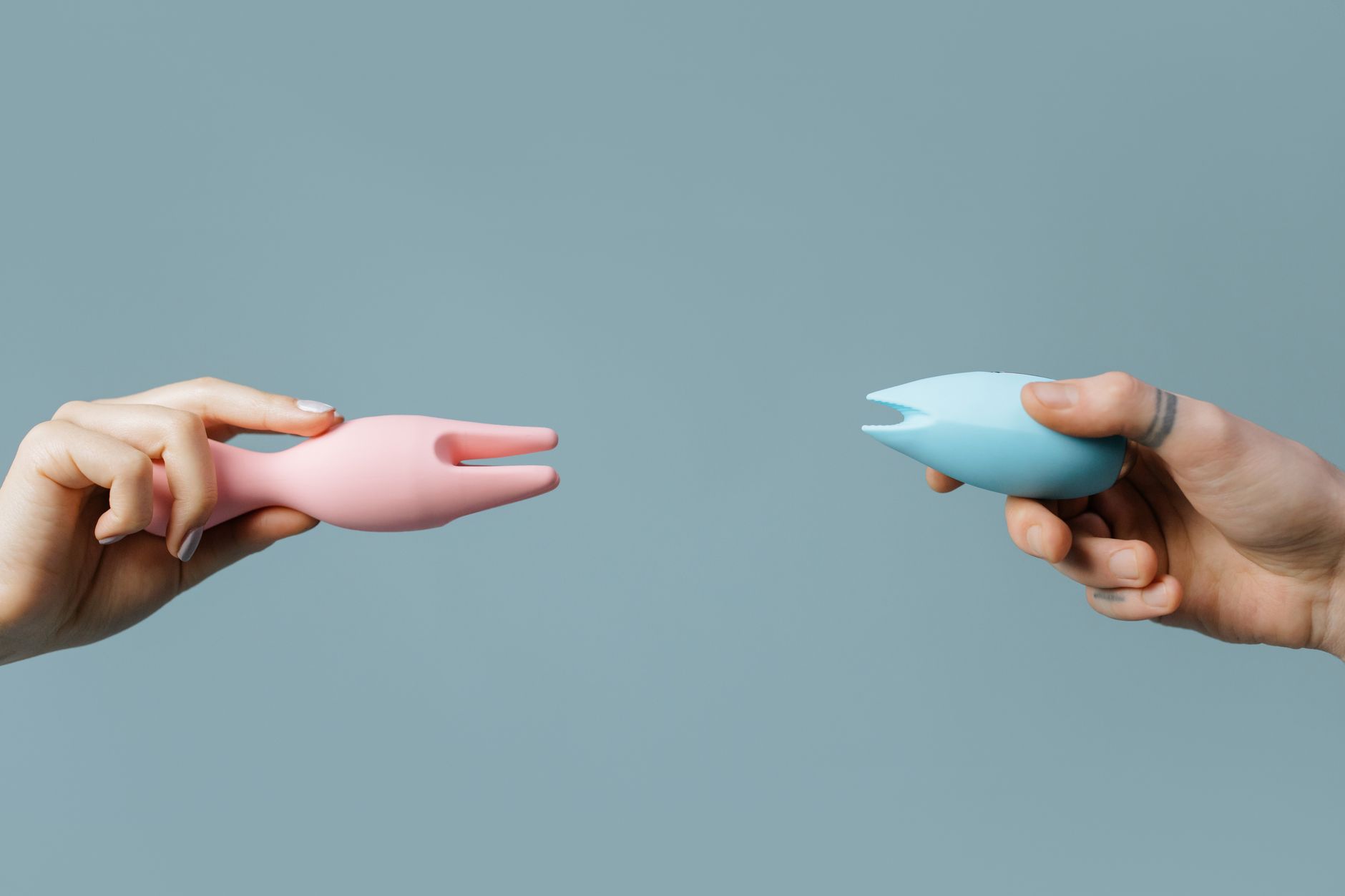
A lemon vibrator, especially the Lem by Helo Nancy's Lemon, uses gentle suction and pulsing. It doesn't bombard the clitoris. Instead, it creates a sustained sensation that works with suppressed dopamine rather than against it.
The mechanism: suction stimulates the thousands of nerve endings in the clitoral complex without the same kind of friction fatigue. You can use lower intensity settings (1 or 2 on the Lem) and still feel profound sensation. Over time, this gentler approach can actually help rewire the neural pathways that antidepressants have quieted. You're not trying to brute-force your way to orgasm. You're inviting it.
Many of my clients on SSRIs report that they've had their first orgasm in months using a lemon sucker-style vibrator on a lower setting, something they couldn't achieve with traditional vibrators.
The timeline you should expect
If you've just started antidepressants, don't expect immediate change on the pleasure front. The sexual side effects typically peak around weeks 2 to 4. Sometimes they improve slightly after 8 to 12 weeks as your body adapts. Sometimes they don't budge.
If you've been on SSRIs for months or years, the numbness can feel permanent. It's not. But it does require intentional rewiring.
Starting a new lemon clitoral vibrator when you're already on antidepressants means setting expectations low initially. You might not orgasm the first few times. That's not failure. You're gathering sensation data. Pay attention to what feels good, even if it doesn't lead anywhere. This matters.
After 2 to 3 weeks of regular use, most people report that sensitivity starts returning. After a month, orgasms often become possible again, though they may feel different. Less explosive, more wave-like. That's fine. Different isn't worse.
What you can actually do about it
Four concrete moves:
1. Talk to your prescriber about timing. Some antidepressants hit harder than others. Some doctors will suggest taking your dose at night so the peak effect happens when you're sleeping, rather than during the day. Others can switch you to a medication with fewer sexual side effects, like bupropion, which actually sometimes increases libido. This is a real conversation worth having. Your prescriber won't judge you.
2. Start with lemon vibrators on the lowest setting. The Lem has five intensity levels. If you're on an SSRI or SNRI, begin at level 1 and stay there for at least a week. Let your body accumulate sensation data. Only move up if you're genuinely not feeling anything. Most people find their sweet spot at levels 1 to 3.
3. Extend your warm-up time dramatically. When dopamine is suppressed, arousal takes longer to build. Instead of 5 to 10 minutes, plan for 20 to 40. This isn't a problem. It's just how your timeline works now. Build it into your routine.
4. Consider pairing with a partner or partnered ritual. If you're in a relationship, this can actually be an opportunity. Slowing down, using lemon vibrators together, removing the performance pressure. Many couples tell me that this transition forced them into deeper intimacy than they had before.
When to push back on your medication
If sexual function is a core part of your life or your relationship, and the antidepressant is killing it, you don't have to just accept that. Talk to your doctor about:
- Dose reduction (sometimes lower doses have fewer sexual side effects)
- Time-of-day adjustment (taking it at night instead of morning)
- Switching to a different class of antidepressant (bupropion, mirtazapine, tricyclics sometimes have fewer sexual side effects)
- Adding an augmentation medication like buspirone or bupropion to counteract the sexual numbing
None of these are band-aids. They're legitimate medical adjustments. Your mental health and your sexual health are both important.
The role of expectation and patience
Here's what I see happen in my practice repeatedly: people on antidepressants try a lemon clitoral vibrator once, don't orgasm, and assume it won't work for them. Then they abandon it.
That's like trying a new antidepressant for three days and giving up. Your brain and body need time to recalibrate. Four weeks of consistent, low-pressure exploration with a lemon vibrator can shift your baseline sensitivity more than you'd expect. The gentleness of air-suction design matters here. It rewards patience instead of punishing it.
You're not broken. Your neurochemistry is just operating under different constraints. A lemon vibrator designed to work with suppressed dopamine, not against it, can be the difference between months of sexual deadness and rediscovering pleasure on a new timeline.
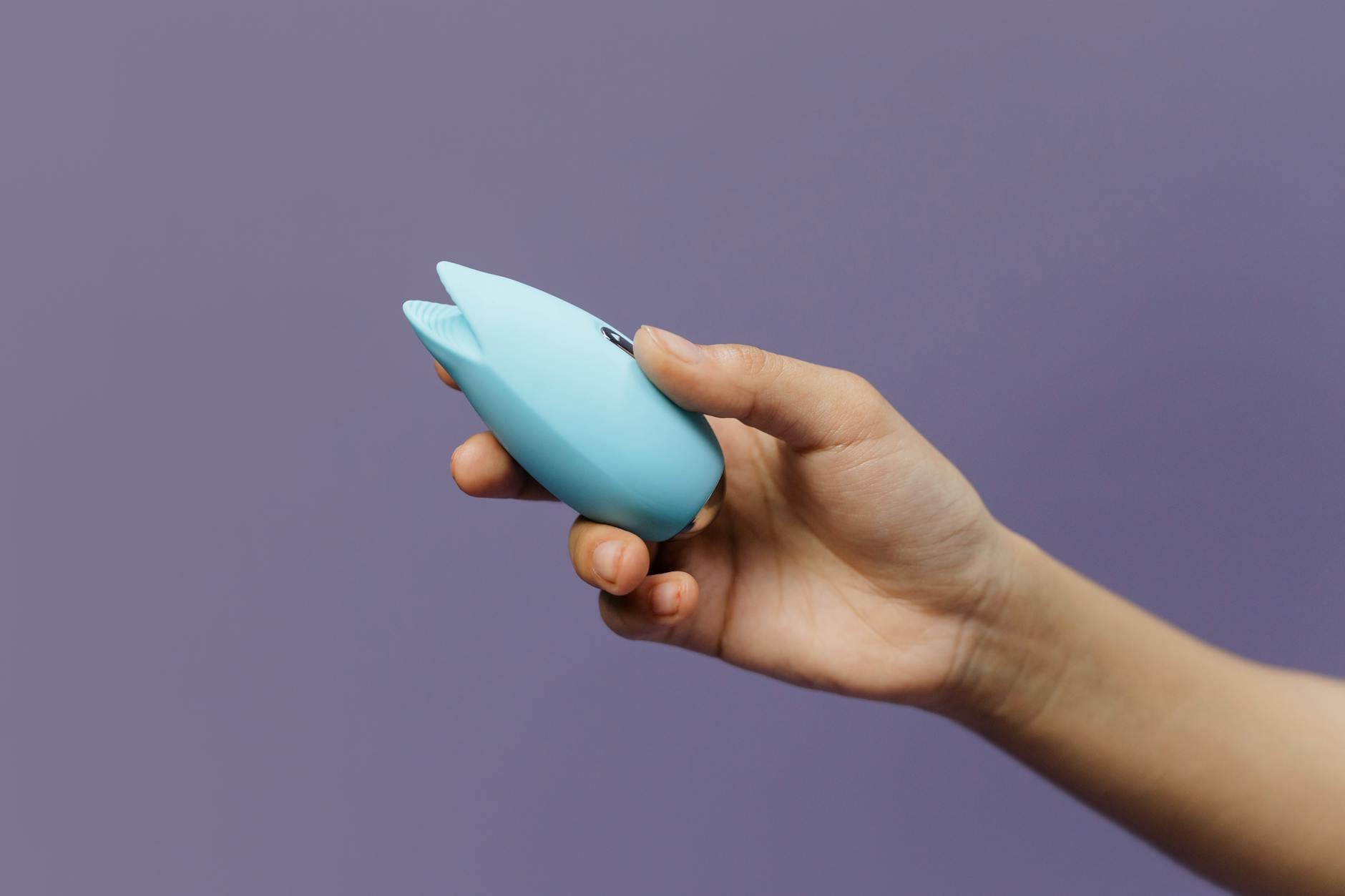
Photo by cottonbro studio on Pexels
FAQ: Antidepressants and sensation
Can you orgasm on SSRIs if you try hard enough?
Yes, but "trying hard" is exactly the wrong energy. The more pressure you put on yourself to orgasm, the harder your sympathetic nervous system works, and the more distant pleasure becomes. Counterintuitively, removing the goal of orgasm and focusing instead on sensation often makes orgasm more likely. This is where a lemon vibrator helps. You can focus on the feeling of gentle suction without a performance target.
Do some antidepressants have fewer sexual side effects than others?
Yes. Bupropion (Wellbutrin) is known for having fewer sexual side effects and sometimes even increasing libido. Mirtazapine and some tricyclic antidepressants are gentler on arousal than SSRIs. Sertraline and fluoxetine tend to be harsher. Talk to your doctor about whether a switch makes sense for your specific situation.
How long does it take for sexual function to return after starting lemon vibrators?
For most people, noticeable improvement happens within 2 to 4 weeks of regular use. Full return to baseline sensation can take 8 to 12 weeks. The timeline depends on how long you've been on the medication, your individual neurobiology, and whether you're also making other adjustments (dose timing, medication change, etc.).
Can you use lemon vibrators with a partner if you're on antidepressants?
Absolutely. Some couples find that slowing down and exploring together with a lemon clitoral vibrator actually deepens intimacy. The pressure comes off performance and lands on connection. That shift can be powerful. You might explore together how the Lem feels, what patterns work, how to build sensation without rushing to outcome.
Will your sensitivity return to baseline after you stop the antidepressant?
Often, yes. Sexual side effects sometimes resolve within weeks of stopping or switching medication. But not always. If you've been on an SSRI for years, it can take several months for dopamine sensitivity to fully rebound. Continuing to use lemon vibrators during the transition actually helps speed up that rebound.
Is it worth bringing this up with your doctor if they didn't mention it?
Completely. Sexual dysfunction is a common reason people stop taking antidepressants that actually work for their mood. Your doctor can't help if they don't know there's a problem. You're not complaining. You're sharing important medical information. Bring it up directly.
The practical path forward
If you're on antidepressants and your pleasure has gone quiet, that's not permanent. It's not a personality trait. It's a temporary neurochemical reality that you can work with.
Grabbing a lemon vibrator isn't a magic fix, but it's a genuinely useful tool. The air-suction design, the lower intensity settings, the gentleness of the approach. These things matter when dopamine is suppressed and serotonin is elevated. You're not fighting your medication. You're learning how to access pleasure differently.
If you want to explore further, read more about how lemon vibrators help when lubrication decreases with age, which shares some similar neurobiological territory. Or check out strategies for using lemon vibrators without numbing your sensitivity over time.
Your mental health matters. Your sexual health matters too. You deserve both.